
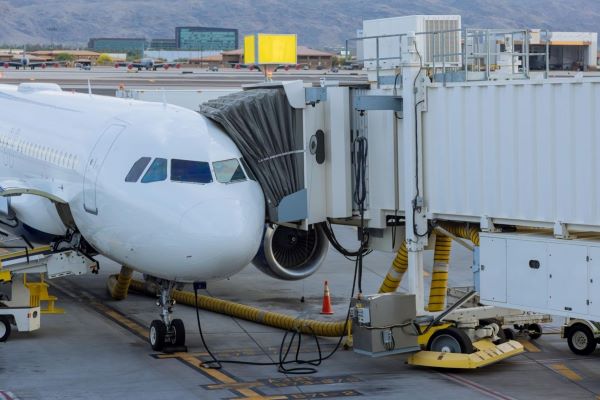
Why the Airbus A380 Failed Despite Passenger Love
Imagine stepping onto an aircraft so large that it feels more like a luxury hotel than an airplane.
The cabin is unusually quiet. The ceilings seem higher. The aisles feel wider. Even seasoned travelers often stop and stare when they first board the Airbus A380.
For millions of passengers, the A380 represented everything flying was supposed to be—comfortable, exciting, and memorable.
Yet despite the admiration, the world’s largest passenger aircraft became one of aviation’s biggest commercial disappointments.
How could an aircraft loved by passengers, praised by crews, and admired by aviation enthusiasts fail?
Get the SkypropreAir Free Travel Pack
Plan smarter, choose a better seat and enjoy a more comfortable long-haul journey. Enter your details below to receive the Travel Pack.
The answer reveals a fascinating battle between passenger dreams and airline economics.
If you enjoy learning about aircraft comfort and passenger experience, you may also like our guides on Inside the Boeing 787 Dreamliner Experience, What It’s Really Like Flying on the Airbus A380, and A350 vs 787: Which Aircraft Is More Comfortable?
The Dream That Was Supposed to Change Aviation Forever
When Airbus launched the A380 program, it believed it was building the future of air travel.
Passenger numbers were rising rapidly. Airports were becoming crowded. Major international hubs were struggling to accommodate growing demand.
Airbus believed bigger was the answer.
The company envisioned a world where travelers would fly between giant hub airports before connecting onward to smaller destinations.
To serve this vision, Airbus built the largest passenger aircraft ever created.
The result was extraordinary.
The A380 featured two full passenger decks, enormous cabins, spacious staircases, and an unmatched sense of openness.
Some airlines even installed onboard bars, lounges, showers, and private suites.
Passengers loved it.
Flying suddenly felt special again.
The Aircraft Passengers Couldn’t Stop Talking About
One reason travelers adored the A380 was simple: comfort.
The aircraft’s immense size created a cabin environment unlike almost anything else in commercial aviation.
The ride felt smoother.
The cabin felt quieter.
The extra space reduced the feeling of confinement common on long-haul flights.
Even passengers flying in economy often reported a more relaxed experience.
For nervous flyers, the quiet cabin and stable ride made long journeys less stressful.
At a time when many airlines were adding more seats and reducing personal space, the A380 felt refreshingly different.
Many passengers who love the A380 also praise newer aircraft such as the Boeing 787 Dreamliner and Airbus A350 for their cabin comfort. You can compare these experiences in our articles Inside the Boeing 787 Dreamliner Experience and Why Airplane Air Makes You Feel So Dry.
Planning Your Next Long-Haul Flight?
Whether you’re hoping to experience an Airbus A380, Boeing 787, or Airbus A350, compare fares using Aviasales to find the best routes and prices before you book.
Travel Tip: The lowest fares often disappear quickly on popular long-haul routes.
Unfortunately, passenger satisfaction alone does not determine an aircraft’s success.
The Problem Hidden Behind the Luxury
Airlines do not buy aircraft because passengers love them.
They buy aircraft because they make money.
And this is where the A380 encountered its biggest obstacle.
The aircraft was simply enormous.
To maximize profitability, airlines often needed to fill hundreds of seats on every flight.
That is far more difficult than it sounds.
If demand drops slightly on a route operated by a smaller aircraft, airlines can often remain profitable.
If demand drops on an A380 route, the financial consequences can be significant.
Passengers saw luxury.
Airline accountants saw risk.
The two perspectives rarely aligned.
The World Changed While Airbus Was Looking Ahead
Airbus built the A380 around a future dominated by giant airport hubs.
But the industry began moving in a different direction.
Passengers increasingly wanted direct flights.
Instead of connecting through major airports, travelers preferred flying nonstop whenever possible.
At the same time, aircraft technology was advancing rapidly.
New aircraft could fly longer distances while carrying fewer passengers.
Suddenly airlines could connect smaller cities directly.
The hub-and-spoke strategy that inspired the A380 became less important.
The aviation world had changed.
And the A380 found itself designed for a future that never fully arrived.
The Rise of Smaller, Smarter Aircraft
Aircraft such as the Boeing 787 Dreamliner and the Airbus A350 transformed airline economics.
These aircraft offered impressive range while carrying fewer passengers.
They consumed less fuel.
They required fewer crew members.
They could operate from more airports.
Most importantly, they gave airlines flexibility.
Instead of filling 500 seats, airlines could profitably operate flights with far fewer passengers.
The economics were difficult to ignore.
The future was becoming smaller, not larger.
If you’re interested in how modern aircraft are changing long-haul travel, read our guides on The Quietest Aircraft for Long-Haul Flights, Best Economy Seats for Long-Haul Comfort, and How Airlines Use Algorithms to Set Ticket Prices.
Fuel Efficiency Became King
Airlines constantly search for ways to reduce costs.
Fuel is one of the industry’s largest expenses.
Even small improvements in efficiency can save millions of dollars annually.
While the A380 was efficient for its size, it was still a giant aircraft.
Operating such a large airplane inevitably involved higher costs.
As fuel prices fluctuated and environmental concerns grew, airlines increasingly focused on efficiency.
Smaller next-generation aircraft offered a compelling alternative.
They delivered lower operating costs while maintaining long-range capabilities.
That combination made them increasingly attractive.
If you’ve ever wondered why airline prices seem so unpredictable, don’t miss our article Why Does the Same Flight Have Different Prices?
Many Airports Were Not Built for the A380
The A380 was not just big.
It was exceptionally big.
Many airports needed expensive upgrades before they could accommodate the aircraft.
Wider taxiways.
Stronger pavement.
Special boarding bridges.
Larger gates.
Additional ground equipment.
These improvements cost millions.
For airports receiving only a handful of A380 flights, the investment was difficult to justify.
Meanwhile, smaller aircraft could operate almost anywhere.
Flexibility became increasingly valuable.
The A380 became increasingly restrictive.
One Airline Kept the Dream Alive
Despite the challenges, one airline embraced the aircraft more enthusiastically than any other.
Emirates built much of its global strategy around the A380.
Its hub in Dubai was perfectly suited to the aircraft’s strengths.
Large passenger volumes.
Strong international connections.
Consistent demand.
The airline transformed the A380 into an icon of modern aviation.
Without Emirates, the program likely would have ended much earlier.
But no aircraft program can depend on a single customer forever.
Eventually, new orders slowed.
Airlines increasingly chose smaller alternatives.
The business case no longer worked.
If comfort matters to you, you may also enjoy reading The Truth About Sitting in an Exit Row Seat and The Travel Pillow Mistake Most Passengers Make.
Why Passengers Still Search for A380 Flights Today
Even years after production ended, many travelers actively seek out A380 routes.
The reasons are remarkably consistent.
The aircraft feels quieter.
The ride feels smoother.
The cabin feels more spacious.
The experience feels special.
In an era when air travel often feels increasingly standardized, the A380 remains unique.
It reminds passengers that flying can still be enjoyable.
Travel With Greater Peace of Mind
Flight delays, lost baggage, medical emergencies, and unexpected disruptions can affect any journey.
That’s why many international travelers choose SafetyWing travel insurance before departure.
Travel Smarter: Explore flexible coverage options designed for long-haul travelers, remote workers, and frequent flyers.
The Real Reason the A380 Failed
The Airbus A380 did not fail because passengers rejected it.
Passengers embraced it.
The aircraft failed because airline economics moved in a different direction.
Passengers voted with their hearts.
Airlines voted with their spreadsheets.
In the end, efficiency, flexibility, and profitability won.
Yet the A380’s legacy remains secure.
It proved that flying could still inspire wonder.
It showed that comfort matters.
And every time one appears at an airport, people still stop, look up, and smile.
Some aircraft carry passengers.
The Airbus A380 carried dreams.
Before you leave, you might also enjoy:
-
What It’s Really Like Flying on the Airbus A380
-
Inside the Boeing 787 Dreamliner Experience
-
Why Pilots Rarely Worry About Turbulence
-
Can Pilots Really Sleep During Long Flights?
-
The Truth About Airline Meal Quality in 2026
-
How Emergency Exits Save Lives in Under 90 Seconds
Frequently Asked Questions
Why did Airbus stop producing the A380?
Airbus ended A380 production because airlines increasingly preferred smaller, more fuel-efficient aircraft such as the Boeing 787 Dreamliner and Airbus A350. While passengers loved the A380’s comfort and spacious cabins, many airlines found it difficult to consistently fill over 500 seats and operate the aircraft profitably.
Is the Airbus A380 still flying today?
Yes. Although production ended in 2021, several airlines continue to operate the A380 on major international routes. Emirates remains the largest A380 operator, while airlines such as Singapore Airlines, Qantas, British Airways, and Lufthansa still use the aircraft on selected routes.
Is the Airbus A380 better than the Boeing 787 for passengers?
Many passengers consider the A380 more comfortable because of its quieter cabin, smoother ride, and greater sense of space. However, the Boeing 787 offers better fuel efficiency, modern cabin technology, and allows airlines to operate more direct routes. Which aircraft is “better” often depends on whether you value passenger comfort or route convenience.
Question for Readers
If airlines offered you a choice between an Airbus A380 and a Boeing 787 for the exact same ticket price, which aircraft would you choose—and why? Share your thoughts in the comments below.