
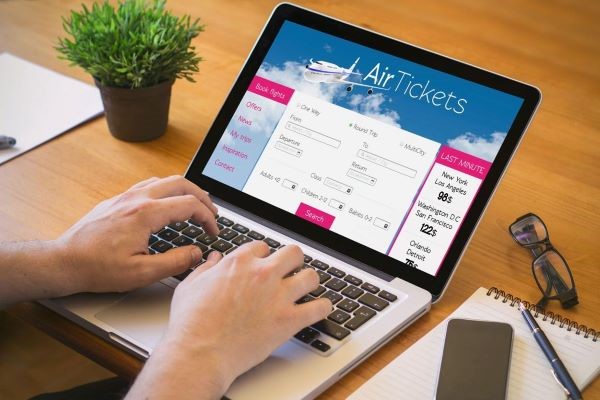
Why Does the Same Flight Have Different Prices?
You find a flight to New York for $450.
You think about it for a few hours.
When you check again, the price has jumped to $620.
Same flight.
Same aircraft.
Get the SkypropreAir Free Travel Pack
Plan smarter, choose a better seat and enjoy a more comfortable long-haul journey. Enter your details below to receive the Travel Pack.
Same seat.
Same departure time.
Yet somehow the price is dramatically higher.
At that moment, most travelers feel the same emotions: frustration, confusion, and suspicion.
Did the airline raise the price because you searched for it?
Are airlines manipulating customers?
Or is there something happening behind the scenes that passengers never see?
The answer reveals one of the most sophisticated pricing systems ever created.
Modern airlines use powerful algorithms that constantly adjust fares based on demand, competition, timing, and passenger behavior. The result is a world where two people sitting next to each other can pay vastly different prices for exactly the same flight.
Understanding why this happens could save you hundreds of dollars on your next trip.
The Seat Isn’t Really What You’re Buying
Most passengers think they’re purchasing a seat.
Airlines see things very differently.
What they’re really selling is a limited opportunity.
Once an aircraft leaves the gate, every empty seat becomes worthless forever. Unlike a hotel room that can be sold tomorrow night, an unsold airline seat disappears permanently.
That’s why airlines constantly adjust prices.
Their goal isn’t simply to fill the aircraft.
Their goal is to maximize revenue from every available seat.
If you’re interested in maximizing comfort as well as value, read our internal guide: Best Aircraft for Long-Haul Flights Ranked by Comfort.
The Secret World of Fare Buckets
One of the biggest airline secrets is something called fare classes.
Passengers see:
-
Economy
-
Premium Economy
-
Business Class
-
First Class
Airlines see dozens of invisible pricing buckets hidden inside those cabins.
An economy cabin may contain passengers who paid:
-
$350
-
$500
-
$700
-
$950
-
$1,300
All sitting in nearly identical seats.
The cheapest fare buckets are released first.
As those seats sell, the cheaper fares disappear.
The next bucket becomes the new price.
That’s why a flight can become more expensive even when plenty of seats still appear available.
Flight Deal Alert
Looking for the lowest available fare? Compare flight prices before the cheapest booking classes disappear.
Demand Can Change Overnight
Imagine a routine flight from Los Angeles to London.
Everything seems normal.
Then suddenly:
-
A major conference is announced.
-
A championship game is scheduled.
-
School holidays begin.
-
A competing airline reduces service.
The airline’s forecasting systems detect rising demand immediately.
Within minutes, pricing algorithms respond.
Fares increase because the airline predicts people will continue buying tickets.
In many cases, no employee ever touches the price.
The computer does all the work automatically.
Why Waiting Usually Costs More
Many travelers believe airlines punish people for booking late.
The truth is more strategic.
Passengers booking six months ahead are usually vacation travelers searching for bargains.
Passengers booking a week before departure are often business travelers or people facing urgent situations.
These travelers typically have fewer choices.
Because airlines know they’re more likely to buy regardless of price, fares rise as departure day approaches.
A seat selling for $450 three months before departure may cost $1,200 one week before the flight.
The seat hasn’t improved.
The customer profile has changed.
For more booking strategies, read our Long-Haul Comfort Survival Guide.
The Aircraft Doesn’t Set the Price
Many travelers assume newer aircraft automatically cost more.
Not necessarily.
An Airbus A350 flight may actually be cheaper than an older Boeing 777 operating the same route.
Why?
Because pricing depends primarily on:
-
Passenger demand
-
Competition
-
Route popularity
-
Seasonality
-
Historical booking patterns
The aircraft affects comfort.
The market determines the fare.
For a deeper comparison, see our article Airbus A350 vs Boeing 787: Which Aircraft Is More Comfortable?
Airlines Constantly Watch Their Competitors
Airlines monitor competitors around the clock.
If one carrier launches a sale, others may respond within hours.
If a competitor fills most of its seats, another airline may increase fares immediately.
The result is a constantly moving marketplace.
What looks expensive today may be cheaper tomorrow.
What looks cheap today may be gone by tonight.
Airline pricing behaves much like a stock market.
The commodity simply happens to be airline seats.
Compare Before You Book
Savvy travelers compare multiple airlines, nearby airports, and alternative travel dates before purchasing. A small change can sometimes save hundreds of dollars.
The Passenger Beside You Probably Paid a Different Price
Perhaps the most surprising reality is this:
The passenger sitting next to you probably paid a completely different fare.
One booked six months ago.
Another used loyalty points.
A third bought during a flash sale.
A fourth booked yesterday.
All sit in the same row.
All receive the same service.
Yet the difference between their fares could exceed $1,000.
That’s not unfairness.
It’s dynamic pricing in action.
Price is only one part of the travel experience. Before choosing your seat, check our guide to The Best Economy Seats for Tall Passengers.
Are Airlines Tracking Your Searches?
This myth refuses to disappear.
Many travelers believe airlines raise prices because they searched repeatedly.
The reality is usually much simpler.
While you’re checking fares, thousands of other travelers may be booking the same route.
Seats disappear.
Fare buckets sell out.
Prices naturally increase.
The timing makes it feel personal.
In most cases, it’s simply supply and demand at work.
The Best Time to Buy Isn’t an Exact Science
There is no magical day of the week that guarantees the cheapest airfare.
However, some patterns consistently emerge.
Flights are often cheaper when:
-
Demand is low
-
Competition is high
-
Travel dates are flexible
-
Booking occurs months in advance
Prices often increase when:
-
School holidays begin
-
Major events approach
-
Flights fill up
-
Departure day gets closer
Flexibility remains one of the most powerful money-saving tools available to travelers.
The Real Reason Prices Feel So Random
Airline pricing isn’t random.
It’s predictive.
Revenue management systems analyze enormous amounts of information, including:
-
Historical demand
-
Booking patterns
-
Economic conditions
-
Competitor pricing
-
Seasonal trends
-
Weather impacts
The system constantly asks one question:
“What is the highest price passengers are willing to pay while still filling the aircraft?”
The answer changes every minute.
That’s why airfare behaves like a moving target.
Protect Your Trip
Finding a cheap flight is important.
Protecting your trip is equally important.
Before traveling, consider travel insurance that covers medical emergencies, delays, cancellations, and baggage disruptions.
The Bottom Line
The next time a flight price suddenly increases, remember what you’re witnessing.
You’re watching one of the world’s most sophisticated pricing systems at work.
Airlines aren’t simply selling transportation.
They’re selling timing.
They’re selling convenience.
They’re selling urgency.
They’re selling opportunity.
That’s why two passengers can sit side-by-side while paying completely different prices.
The real secret to saving money isn’t finding a magical booking trick.
It’s understanding how airline pricing works—and making smarter decisions before everyone else does.
Frequently Asked Questions
Why did my flight price increase within a few hours?
Most often, cheaper fare buckets sold out, demand increased, or other travelers booked seats during that period.
Is it true airlines increase prices when I search repeatedly?
Generally, no. Most price increases are caused by changing inventory and demand rather than your individual searches.
How far in advance should I book an international flight?
For most international routes, booking several weeks to several months in advance often provides the best balance between price and availability.
Question for Readers
Have you ever found a flight at a great price, waited to book it, and then watched the fare jump dramatically? How much did the price increase, and do you think airline pricing is fair?