What to Wear on a Long-Haul Flight: A Comfort-First Guide
What to wear on a long-haul flight depends on comfort, cabin temperature and what you plan to do when you land. A long-haul outfit has to work harder than an everyday outfit. You may
Best Neck Pillows for Long Flights: Which Design Actually Supports You?
A neck pillow can make a long flight more comfortable, but the familiar U-shaped design does not work for everyone. Some passengers need support under the chin, others lean towards the window, and many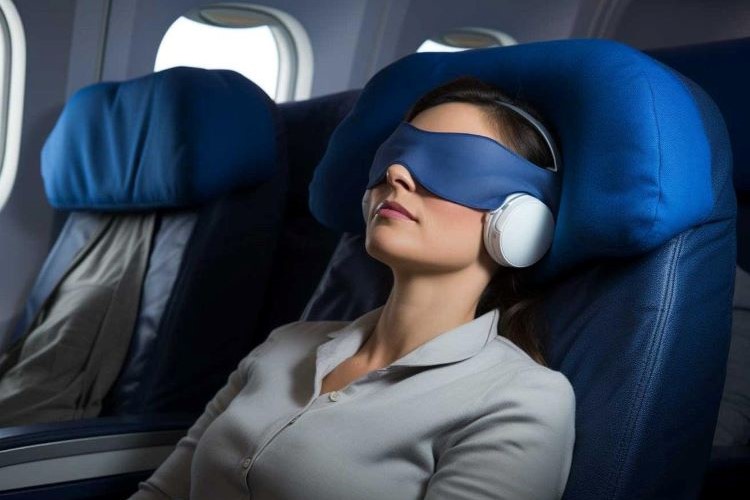
How to Sleep on an Overnight Flight: A Practical Economy Class Guide
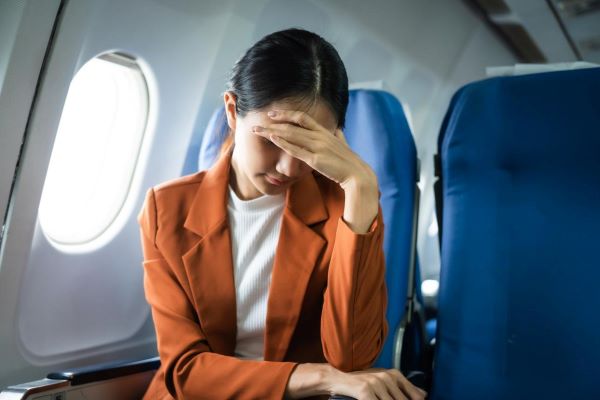
How to Sleep on an Overnight Flight An overnight flight sounds like a chance to sleep while the aircraft carries you to your destination. Then the cabin lights come on, a meal arrives, the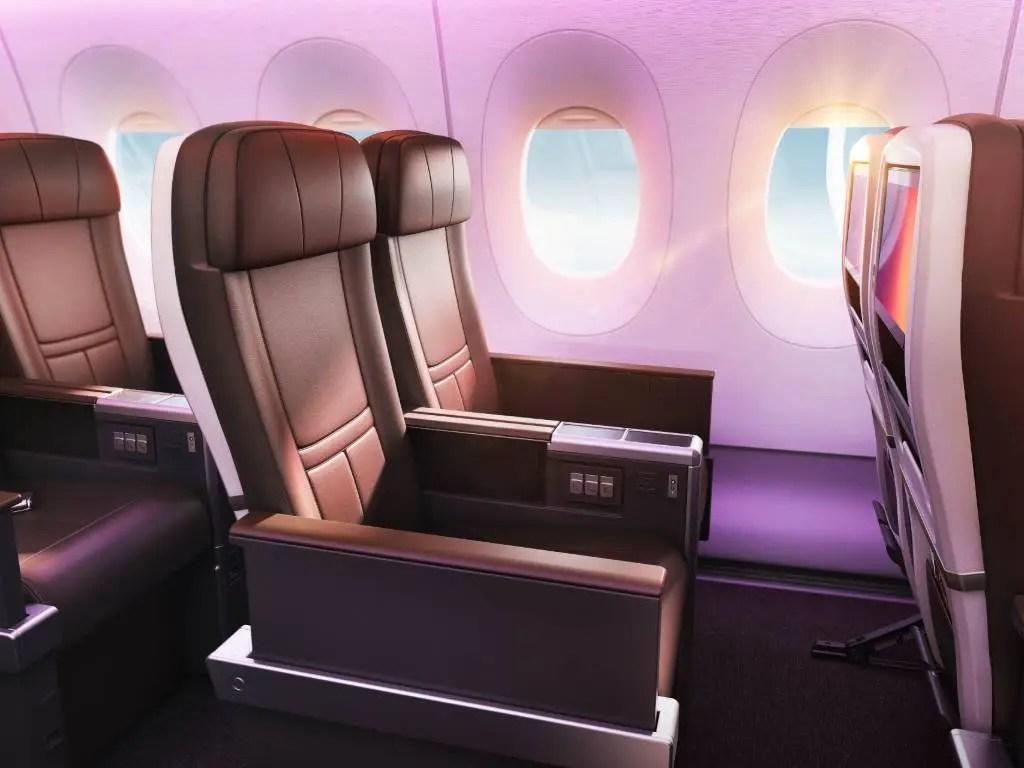
Is Virgin Atlantic Premium Worth It?
A few extra inches of space can make a long flight feel very different. Virgin Atlantic Premium promises a wider seat, more legroom and a more comfortable journey than Economy—but the upgrade can add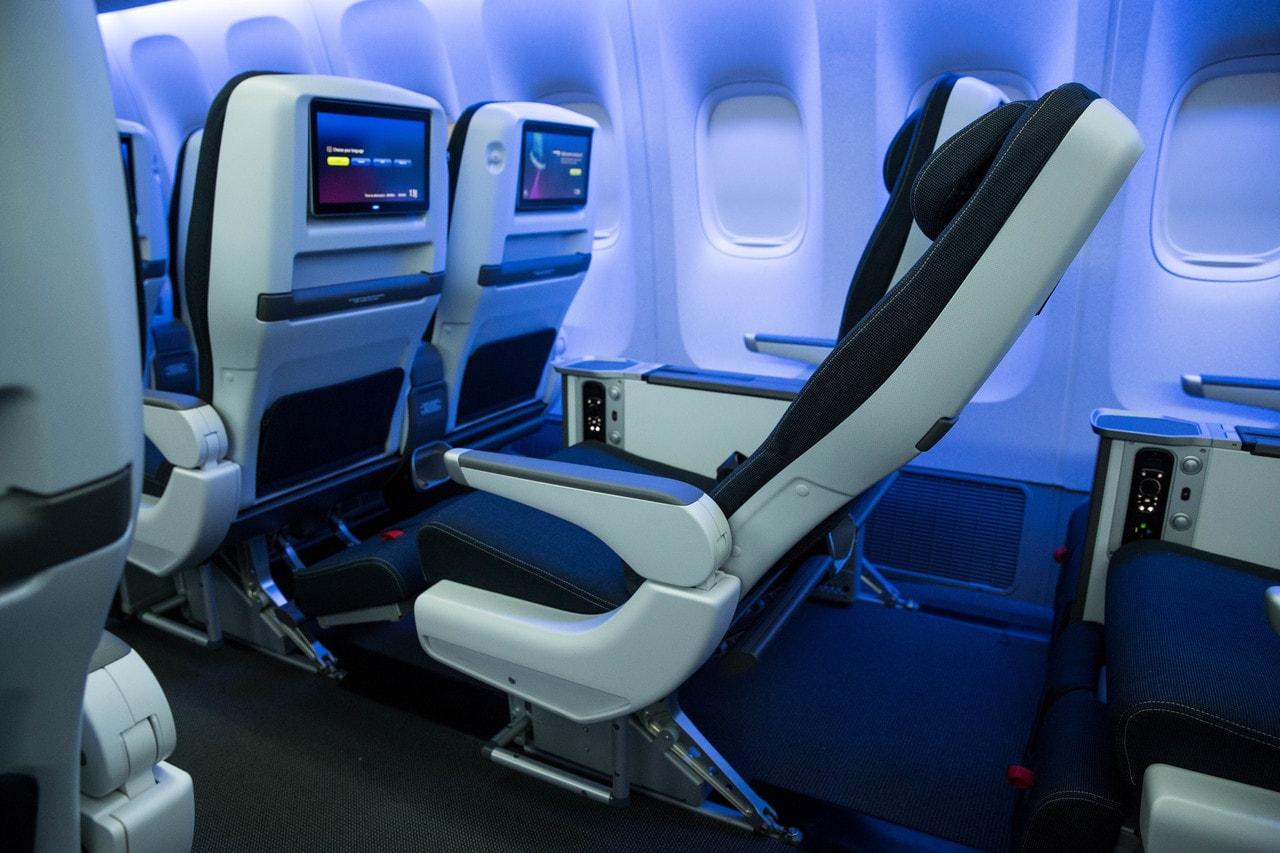
British Airways Premium Economy Review: Is World Traveller Plus Worth It?
Long-haul economy can feel increasingly uncomfortable, but business class is often far beyond the average traveller’s budget. British Airways Premium Economy, officially called World Traveller Plus, is designed to provide a middle ground between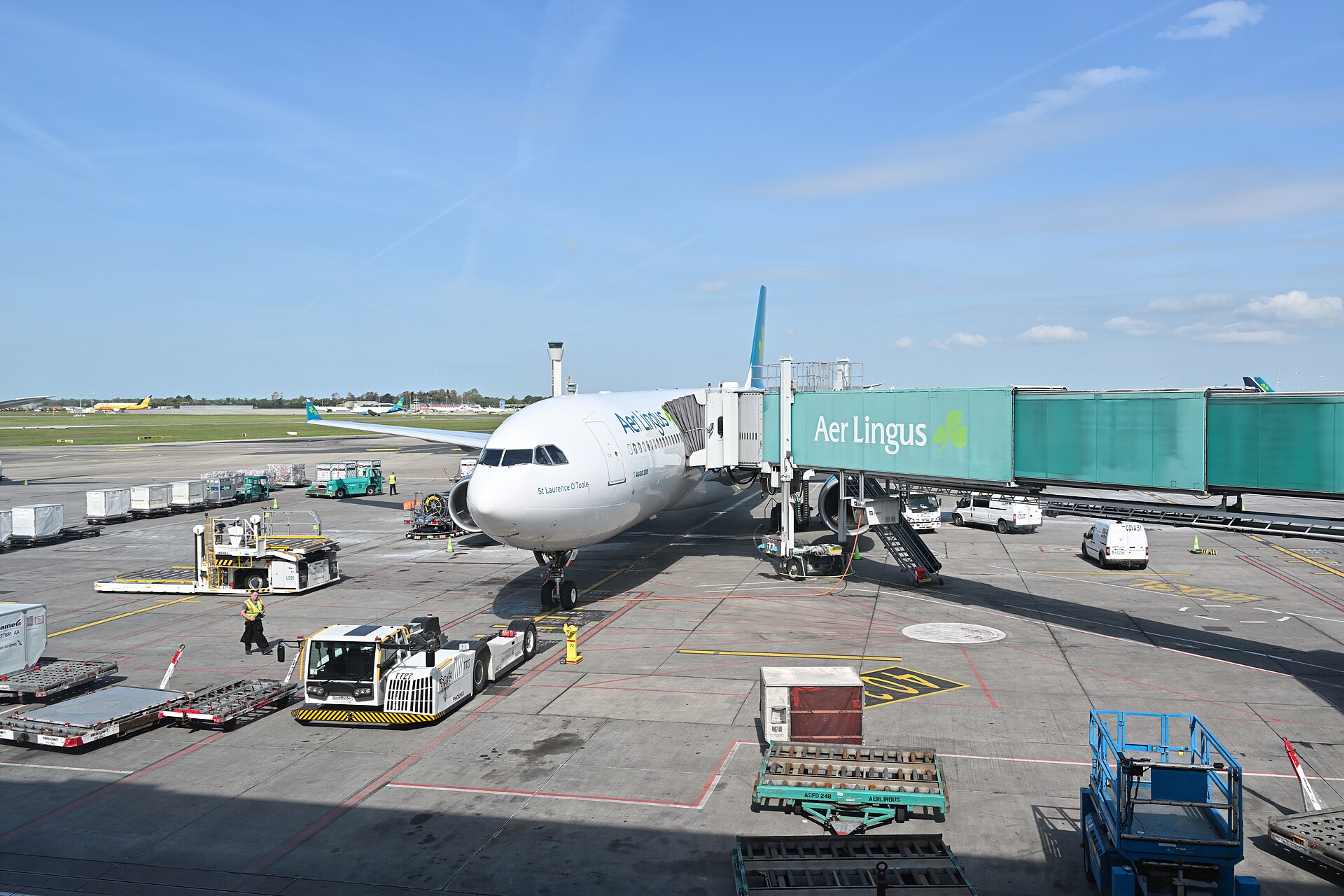
Does Aer Lingus Have Premium Economy? The Best Value Alternatives Explained
Aer Lingus does not currently offer a traditional Premium Economy cabin on its transatlantic flights. For travellers who want more comfort than standard Economy without paying the full price of Business Class, that can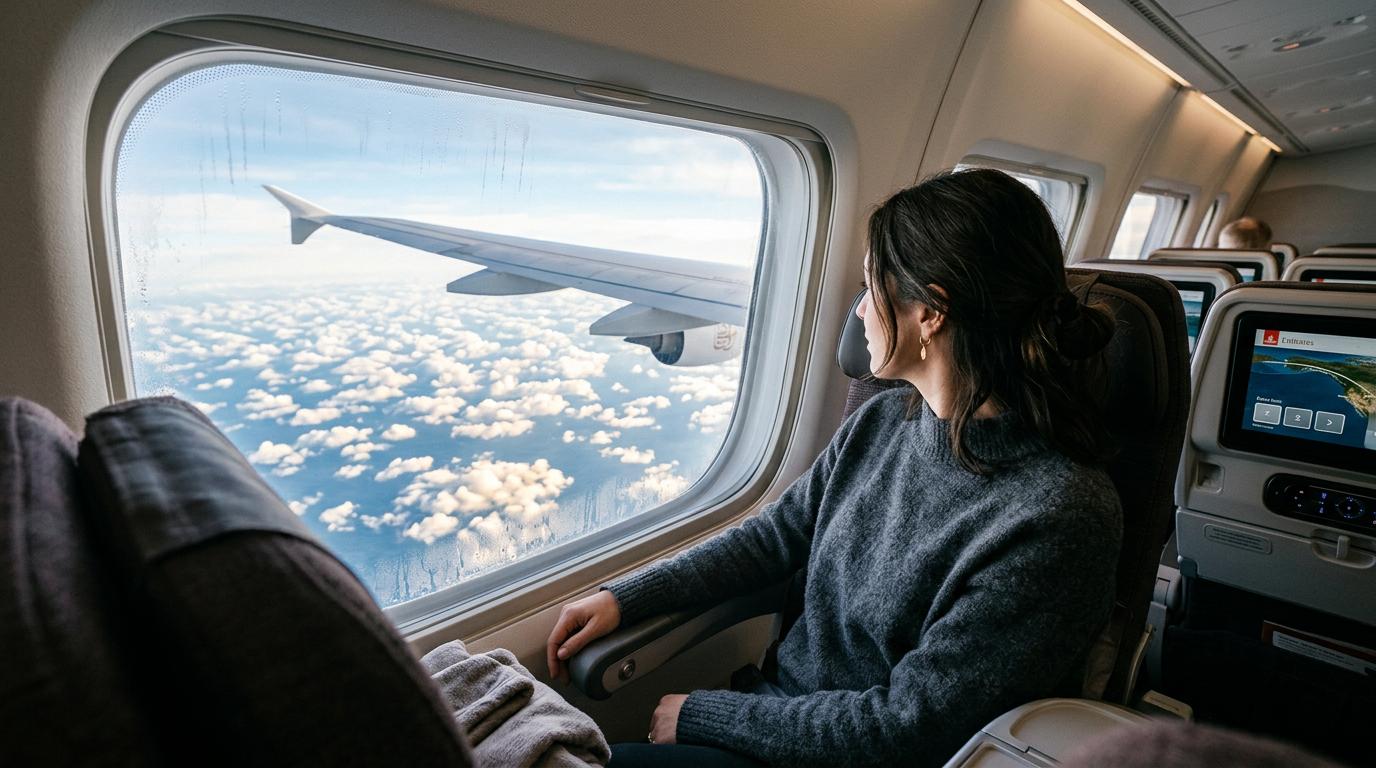
Best Seats for Avoiding Turbulence: Where to Sit for a Smoother Flight
No seat can eliminate turbulence, but some parts of an aircraft feel steadier than others. Discover where to sit for a smoother, more comfortable flight.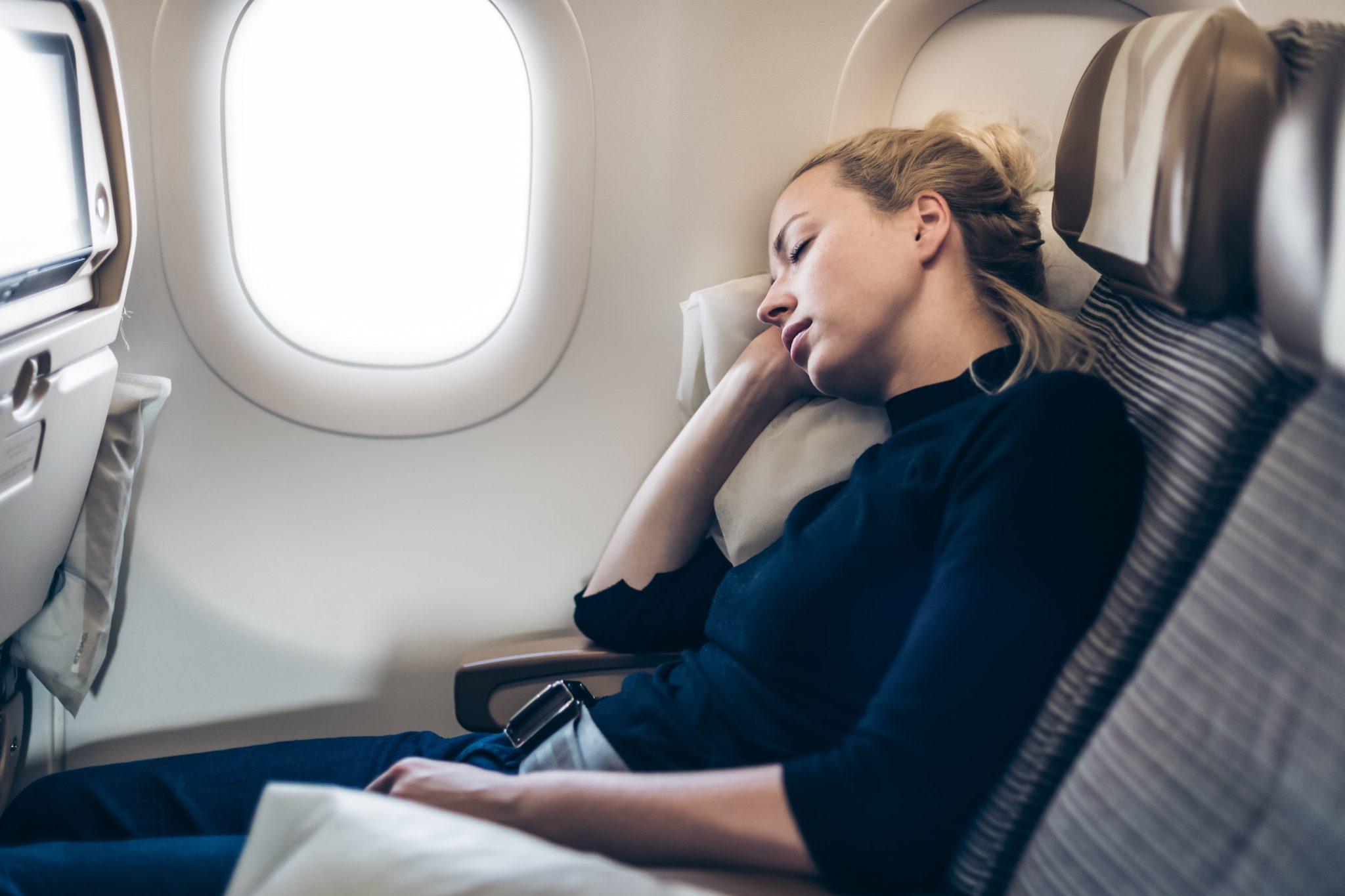
Best Seats for Sleeping on a Plane: A Practical Long-Haul Guide
Choosing the best seats for sleeping on a plane can make the difference between arriving refreshed and beginning your journey exhausted. On a long-haul flight, even a comfortable-looking seat may become difficult to sleep