
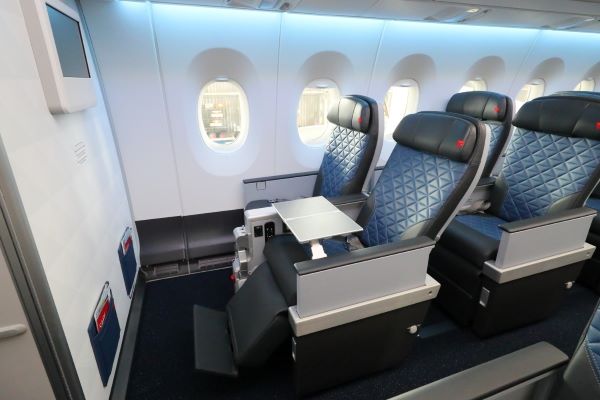
The Truth About Sitting in an Exit Row Seat
The exit row is one of the most sought-after seats on any aircraft—but few passengers fully understand the responsibilities that come with it.
Have you ever walked down the aisle of a packed aircraft, glanced at the exit row, and felt a surge of envy?
Those passengers seem to have won a secret lottery. Their legs are stretched out. They look comfortable. They aren’t trapped with their knees pressed against the seat in front.
For many travelers, an exit row seat is the ultimate economy-class upgrade.
But there is a truth that airlines rarely explain in full.
Get the SkypropreAir Free Travel Pack
Plan smarter, choose a better seat and enjoy a more comfortable long-haul journey. Enter your details below to receive the Travel Pack.
That extra space comes with responsibilities, restrictions, and surprises that many passengers only discover after the cabin door closes.
Before you pay extra for that coveted seat on your next flight, here is what you need to know.
If you’re trying to maximize comfort on your next journey, don’t miss our guides to Best Economy Seats by Aircraft Type and How to Choose the Best Seat on Any Flight.
Many travelers view exit row seats as the ultimate economy-class upgrade.
The Seat Everyone Wants
The attraction is obvious.
Most economy passengers spend long flights negotiating for a few extra inches of personal space. Exit row passengers often enjoy significantly more legroom because there is no seat directly in front of them, or because the row is positioned beside an emergency exit.
On a long-haul flight, that extra room can transform the travel experience.
You can stretch your legs.
You can stand up more easily.
You may feel less confined.
For tall travelers, the difference can mean arriving refreshed instead of exhausted.
The extra space can make a significant difference on long-haul flights, especially for taller travelers.
Yet comfort is only part of the story.
The Hidden Contract You Agree To
What many passengers don’t realize is that an exit row seat is not simply a premium seat.
It is also a safety position.
When you sit in that row, the airline expects you to assist in an emergency if instructed by the crew.
Before departure, flight attendants will usually ask a direct question:
“Are you willing and able to assist in the event of an emergency?”
Most passengers answer “yes” without much thought.
But that answer carries real meaning.
In a genuine evacuation, you may be responsible for opening a heavy emergency exit door, assessing outside conditions, and helping other passengers leave the aircraft.
Exit row passengers must be willing and able to assist during an emergency evacuation.
The chances of this happening are extremely small.
But airlines take the responsibility seriously.
Why Some Passengers Are Not Allowed to Sit There
Many travelers are surprised when they are moved from an exit row seat.
This is not discrimination.
It is a safety requirement.
Passengers sitting in exit rows generally must be physically capable of operating the exit and assisting others.
Airlines have strict rules governing who may occupy exit row seats.
Restrictions vary by airline and country, but commonly include:
-
Young children
-
Passengers traveling with infants
-
Individuals who may require assistance themselves
-
People with certain mobility limitations
-
Passengers unable to understand the crew’s instructions
-
Individuals using seatbelt extensions on some airlines
If a crew member believes a passenger cannot perform the required duties, they can be reassigned.
And yes, this can happen even after boarding.
The Comfort Advantage Is Real
There is a reason experienced travelers often target exit rows.
The extra legroom can dramatically improve comfort, especially on flights lasting six hours or more.
For someone over six feet tall, an exit row seat may feel like moving from economy class to a completely different cabin.
Many passengers report less knee pain, easier movement, better sleep, and reduced feelings of claustrophobia.
For many travelers, extra legroom can dramatically improve the long-haul experience.
If you’ve ever wondered why some journeys seem effortless while others feel exhausting, read our guide to Why Some 10-Hour Flights Feel Easier Than Others.
Travel Smarter Tip
Before spending extra on seat selection, make sure your trip is protected.
Sponsored Recommendation: Compare travel insurance plans through SafetyWing before your next journey.
The Downsides Nobody Mentions
The extra space often comes with trade-offs.
Some exit row seats do not recline.
Others recline only partially.
The reason is simple: airlines must ensure access to the emergency exit behind the seat.
Many passengers discover this only after takeoff.
Another surprise is storage restrictions.
During takeoff and landing, bags often cannot be stored under the seat because the exit area must remain clear.
Some exit row seats also have tray tables and entertainment screens built into the armrests, making them narrower than standard economy seats.
Some exit row seats have hidden drawbacks, including reduced recline and narrower seat width.
Before paying extra, read Exit Row vs Bulkhead Seats: Which Is Better?
The Psychological Appeal of Space
There is another reason travelers love exit rows.
It isn’t just about physical comfort.
It is psychological.
Humans naturally feel stress when confined in small spaces.
Air travel places people in one of the most restricted environments they experience in daily life.
Extra legroom creates a feeling of freedom.
Even when passengers never fully use the additional space, simply seeing open space in front of them can reduce feelings of confinement.
The feeling of space can be just as important as the actual physical room available.
For more insights, check out The Hidden Psychology Airlines Use to Influence Passenger Behavior.
Would You Really Open the Door?
Imagine this.
The aircraft comes to an unexpected stop.
The cabin lights dim.
Passengers look around in confusion.
A flight attendant shouts instructions.
Suddenly, the responsibility that seemed theoretical during boarding becomes very real.
The additional legroom exists because the seat serves a critical safety function.
While serious emergencies are extremely rare, airlines place passengers there because they may need capable assistance.
Most people never think about this aspect when booking.
They focus entirely on comfort.
But the seat exists because safety comes first.
Looking for the Best Fare?
Before paying extra for an exit row seat, compare fares using Aviasales Flight Search to make sure you’re not overpaying for the ticket itself.
When an Exit Row Seat Is Worth Paying For
For many travelers, the answer is simple: almost always.
An exit row seat can be especially valuable if:
-
You are tall
-
You suffer from knee or leg discomfort
-
You frequently take long-haul flights
-
You want easier access to the aisle
-
You feel uncomfortable in confined spaces
You may also enjoy:
For the right traveler, an exit row seat can be one of the best value upgrades in aviation.
The Final Verdict
The exit row seat remains one of the smartest upgrades available in economy class.
The extra space can significantly improve comfort, particularly on long-haul flights.
But it is not simply a luxury seat.
It is a safety position disguised as a comfort upgrade.
That hidden responsibility is the reason the space exists in the first place.
So the next time you see an empty exit row seat and wonder whether it is worth the extra cost, remember this:
You are not just buying legroom.
You are accepting a role that could matter if the unexpected ever happens.
And perhaps that is what makes the exit row one of the most fascinating seats in the entire aircraft.
Want More Airline Comfort Secrets?
Join the SkypropreAir Long-Haul Comfort Playbook and receive:
Best seats by aircraft type
Aircraft comfort rankings
Long-haul travel strategies
Airline comfort reviews
Flight booking tips most travelers never discover
Would you choose extra legroom in an exit row or the added comfort of Premium Economy?
Frequently Asked Questions
Are exit row seats safer than other seats on an airplane?
No seat is officially considered the safest. Exit row seats simply provide faster access to emergency exits and come with additional responsibilities.
Can flight attendants move me from an exit row seat after boarding?
Yes. If the crew determines that you do not meet the requirements or are unwilling to assist during an emergency, they can reassign your seat.
Is an exit row seat worth paying extra for on long-haul flights?
For most tall passengers and frequent long-haul travelers, the additional legroom is often one of the best-value upgrades available in economy class.
Question for Readers
If an airline offered you a free upgrade today, would you choose an Exit Row seat or Premium Economy—and why? Share your experience in the comments below.