
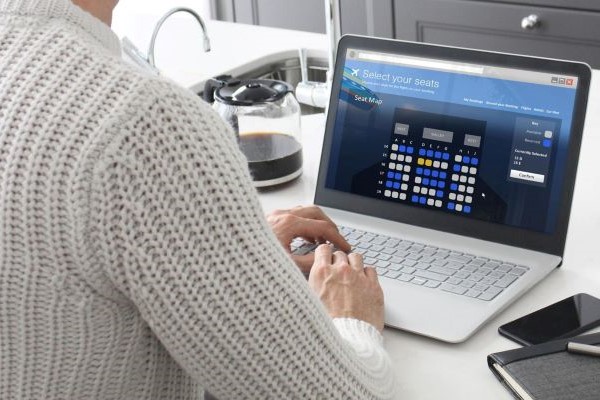
Why Airlines Charge Extra for Seat Selection
Imagine finding what seems like the perfect flight deal.
You spend an hour comparing airlines, checking departure times, and hunting for the lowest fare. Finally, you click “Book Now” feeling victorious.
Then the surprises begin.
The airline wants extra money for a window seat. More for an aisle seat. Even more if you want a little extra legroom.
Suddenly, that bargain fare isn’t looking quite so cheap.
Get the SkypropreAir Free Travel Pack
Plan smarter, choose a better seat and enjoy a more comfortable long-haul journey. Enter your details below to receive the Travel Pack.
Most travelers see seat selection fees as an annoying extra charge. But behind that simple fee lies a fascinating strategy that has transformed the airline industry and changed the way we buy flights forever.
The Day Airlines Discovered a New Gold Mine
Years ago, choosing your seat was usually free.
You bought your ticket, arrived at the airport, and the airline assigned you a seat. Whether you sat by the window or the aisle made little difference to the airline.
Then competition intensified.
Low-cost carriers entered the market. Fuel prices increased. Profit margins became thinner.
Airlines suddenly needed new ways to generate revenue without raising ticket prices.
That’s when they discovered something valuable.
Passengers cared deeply about where they sat.
A family wanted to sit together. A nervous flyer wanted a window seat. A business traveler preferred an aisle seat near the front of the aircraft.
What airlines once gave away for free suddenly became a product they could sell.
The Psychology Airlines Understand Better Than You Think
The secret isn’t really about the seat.
It’s about uncertainty.
When travelers are told they can wait until check-in for a seat assignment, many immediately imagine the worst-case scenario.
A middle seat.
A seat near the toilets.
Being separated from family members.
Sitting in the last row.
That uncertainty creates anxiety.
The airline then presents a simple solution: pay a small fee and choose your seat now.
Many passengers happily pay because they aren’t buying a seat.
They’re buying peace of mind.
If you’re interested in maximizing comfort on your next flight, read our guide on How to Choose the Best Seat on a Long-Haul Flight
Why Some Seats Cost More Than Others
Not every seat is equal.
An exit-row seat may provide several extra inches of legroom.
A bulkhead seat offers more personal space.
Seats near the front allow passengers to leave the aircraft faster.
Window seats provide privacy and views.
Aisle seats offer easier movement.
Meanwhile, middle seats are usually the least popular.
Airlines understand these preferences and price seats accordingly.
It’s the same strategy used by concert venues, sports stadiums, and theaters.
The more desirable the location, the higher the price.
Travel Smart Before You Book
Before paying extra for seat selection, compare total travel costs carefully. Sometimes a slightly more expensive fare already includes seat selection and checked baggage.
Compare flights through SkypropreAir’s recommended travel partner and see the true cost before booking.
Affiliate Disclosure: We may earn a commission from qualifying bookings at no additional cost to you.
The Low Fare Trick Most Travelers Never Notice
Here’s where things become interesting.
Imagine Airline A sells a ticket for $300.
Airline B sells the same route for $260 but charges $40 for seat selection.
The total cost is exactly the same.
But Airline B appears cheaper in flight search results.
This strategy is called “unbundling.”
Instead of including everything in the ticket price, airlines separate services into optional purchases.
The result?
Lower advertised fares.
Higher ancillary revenue.
And passengers often spend more than they originally expected.
To understand this pricing strategy better, read Why Flight Prices Change Every Day
Why Families Often Feel Forced to Pay
Few issues create more frustration than family seating.
Parents naturally want to sit beside their children.
Airlines know this.
Many families choose paid seat selection simply to avoid the possibility of being separated.
Although many airlines now have policies designed to seat young children with at least one parent, travelers often pay extra for certainty.
The result is another significant source of revenue for airlines.
Protect Your Family Trip
Family vacations often involve higher travel expenses and greater disruption if things go wrong.
Before your next trip, consider travel protection through SafetyWing to help cover unexpected delays, cancellations, and travel interruptions.
The Billion-Dollar Revenue Stream Hidden in Plain Sight
A single passenger may pay only $15 or $20 for seat selection.
That doesn’t sound like much.
But multiply that amount by millions of passengers every year.
The numbers become enormous.
For many airlines, seat selection fees form part of a larger category known as ancillary revenue.
This includes:
-
Checked baggage fees
-
Priority boarding
-
In-flight food purchases
-
Wi-Fi access
-
Seat upgrades
These extras generate billions of dollars annually.
In many cases, ancillary revenue helps airlines keep base ticket prices lower than they otherwise would be.
If you’ve ever wondered why someone sitting beside you paid less for the same flight, read The Shocking Reason Your Flight Ticket Costs More Than Your Friend’s
Should You Pay for Seat Selection?
The answer depends entirely on your situation.
If you’re traveling alone and don’t mind where you sit, skipping seat selection can save money.
Many passengers receive perfectly acceptable seats during check-in.
However, paying for seat selection may be worthwhile if:
-
You’re traveling long-haul.
-
You’re flying with children.
-
You need extra legroom.
-
You’re a nervous flyer.
-
You want a window or aisle seat.
A well-chosen seat can dramatically improve comfort during an eight-hour or ten-hour flight.
For long-haul travelers, seat choice often delivers more value than many other travel upgrades.
You may also enjoy:
Cheapest vs Best Airlines on Long-Haul Flights (2026): What Really Matters
Best Economy Seats Ranked (2026 Comfort Guide for Long Flights)
The Future of Airline Seat Pricing
Airlines are becoming increasingly sophisticated.
Modern pricing systems can adjust seat fees based on:
-
Route popularity
-
Travel season
-
Passenger demand
-
Booking timing
-
Aircraft type
The same seat may cost more today than it did yesterday.
Artificial intelligence may eventually make seat pricing even more personalized.
Future booking systems could predict which passengers are most likely to pay for premium seating and adjust offers accordingly.
The era of simple airline pricing is rapidly disappearing.
Compare Before You Commit
Before booking your next flight, compare routes, aircraft types, and seat selection costs through SkypropreAir’s trusted travel partners.
A few minutes of research can often save enough money to cover your preferred seat.
The Real Reason Airlines Charge Extra
At its core, seat selection isn’t really about the seat.
It’s about control.
Passengers want certainty.
They want comfort.
They want convenience.
Airlines understand this perfectly.
Every time you pay to reserve a specific seat, you’re not simply buying a place to sit.
You’re buying confidence that your journey will unfold exactly the way you want.
And as long as travelers value comfort, certainty, and control, airlines will continue charging for it.
FAQs
1. Why do airlines charge extra for seat selection?
Airlines charge for seat selection because it generates additional revenue while allowing them to advertise lower base ticket prices.
2. Can I avoid paying for seat selection?
Yes. Most airlines will assign a seat during check-in if you choose not to pay, although you may have fewer options.
3. Is seat selection worth paying for on long flights?
For many travelers, yes. On long-haul flights, a preferred seat can significantly improve comfort, sleep quality, and overall travel experience.
Join the Conversation
Airlines argue that charging separately for seat selection helps keep ticket prices lower for everyone.
Critics argue that it’s simply another hidden fee that turns basic comfort into a premium product.
If airlines can charge extra for choosing a seat today, what part of the flying experience do you think they might charge separately for next—and where should the industry draw the line?