
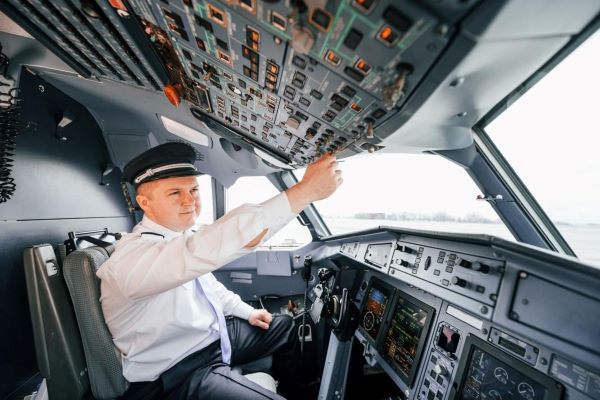
The Hidden Mental Pressure Pilots Face Before Every Flight
The passengers are boarding.
Some are searching for overhead bin space. Others are taking selfies by the window. A few are already settling into movies, music, or sleep.
But behind the cockpit door, something entirely different is happening.
The captain is reviewing weather reports for the fifth time. The first officer is checking fuel calculations, alternate airports, runway conditions, and air traffic restrictions. Every number matters. Every detail carries weight.
For the hundreds of people walking onto the aircraft, the flight is simply a journey.
Get the SkypropreAir Free Travel Pack
Plan smarter, choose a better seat and enjoy a more comfortable long-haul journey. Enter your details below to receive the Travel Pack.
For the pilots, it is a responsibility that begins long before the engines start.
Most travelers never see the hidden mental pressure pilots carry before every flight. The cockpit may look calm and controlled, but behind that professionalism is a level of mental preparation few passengers ever fully appreciate.
If you’ve ever wondered why turbulence feels so unsettling, link here to your article: The Hidden Reason Turbulence Feels More Terrifying Than It Really Is.
The Weight of Hundreds of Lives
Imagine being responsible for the safety of 200, 300, or even 500 people.
Not occasionally.
Every single working day.
Pilots understand that aviation is built on procedures, training, technology, and teamwork. Yet despite all the safeguards, the final responsibility often feels deeply personal.
Every decision matters.
Should the flight depart now or wait for changing weather?
Is the crosswind within safe operating limits?
Does a maintenance note require additional attention?
Could turbulence ahead become severe?
Passengers may never hear these discussions, but pilots know that small decisions can have significant consequences.
This awareness creates a level of mental pressure that few professions experience.
Affiliate Placement: Planning your next trip? Compare airlines and aircraft types before booking to find the most comfortable long-haul experience.
The Silent Battle Against Human Error
One of the greatest fears in aviation is not equipment failure.
It is human error.
Pilots are trained extensively to avoid mistakes, which means they are constantly monitoring themselves as much as the aircraft.
Before every flight, they mentally review procedures, cross-check information, verify calculations, and challenge assumptions.
This creates a unique psychological environment.
A pilot cannot simply “show up and wing it.”
They must remain focused from the moment they arrive at the airport until the aircraft reaches its destination.
The pressure to remain mentally sharp is relentless.
For more insight, link here: Why Airplanes Are the Safest Means of Transport.
Weather Is More Stressful Than Passengers Realise
Passengers often see weather as an inconvenience.
Pilots see it as a constantly changing puzzle.
Thunderstorms can grow unexpectedly.
Wind patterns can shift.
Visibility can deteriorate.
A seemingly normal day can become operationally challenging within minutes.
Before departure, pilots study weather data covering hundreds or even thousands of miles.
They examine turbulence forecasts, storm activity, icing conditions, and alternate airport options.
What passengers perceive as a routine flight often requires significant mental preparation behind the scenes.
The weather briefing alone can create substantial pressure because nature never follows a perfect script.
Internal Link: What Pilots Really Think During Turbulence
The Pressure of Being Expected to Be Perfect
Passengers expect confidence.
Airlines expect professionalism.
Crew members expect leadership.
Air traffic controllers expect precision.
Pilots know this.
Even when they feel tired, stressed, or distracted by personal issues, they must project calm authority.
The aviation industry leaves little room for visible uncertainty.
A pilot facing family challenges, financial concerns, or personal difficulties must often compartmentalize those emotions before entering the cockpit.
The expectation of near-perfect performance can become emotionally exhausting over time.
Yet most passengers never notice.
That invisible professionalism is one of the least appreciated aspects of commercial aviation.
Fatigue: The Invisible Challenge
One of aviation’s most discussed issues is fatigue.
Pilots may cross multiple time zones.
They may work overnight schedules.
They may wake at times when the body naturally expects sleep.
Although strict regulations exist to manage pilot fatigue, the challenge remains real.
The human body was not designed to function optimally at every hour of the day.
Pilots must constantly assess their own physical and mental condition before flying.
Many describe fatigue as one of the most difficult pressures to manage because it is often invisible.
Passengers cannot see it.
Yet pilots are trained to respect it because safety depends on mental alertness.
Affiliate Placement: Protect your trip from delays, cancellations, and unexpected disruptions with travel insurance before departure.
The Responsibility of Making Difficult Decisions
One of the most stressful aspects of flying is decision-making.
Sometimes the safest decision is also the least popular.
A delayed departure.
A diversion.
A go-around before landing.
A cancellation.
Passengers may become frustrated when plans change.
Pilots understand those frustrations.
But they also understand something else.
Every aviation accident report contains lessons written in hindsight.
Every pilot knows the consequences of choosing convenience over safety.
That awareness creates tremendous pressure whenever difficult decisions arise.
The next time your flight is delayed, remember that inconvenience often reflects a safety-first culture working exactly as intended.
When Every Flight Starts With “What If?”
A key part of pilot training involves imagining problems before they happen.
What if an engine fails?
What if a runway closes?
What if severe turbulence develops?
What if communications are lost?
This proactive thinking is one reason aviation remains extraordinarily safe.
Yet constantly considering worst-case scenarios carries its own psychological burden.
Pilots are trained to expect the unexpected.
While passengers hope nothing goes wrong, pilots spend significant time preparing for the possibility that something might.
That mindset is essential—but it is mentally demanding.
Internal Links:
The Emotional Cost of Professional Responsibility
Pilots rarely discuss the emotional side of their profession publicly.
The industry traditionally values confidence, composure, and resilience.
But pilots are human.
They feel pressure.
They experience stress.
They worry about making mistakes.
They carry the responsibility of protecting strangers who trust them completely.
Many travelers never meet the individuals guiding their flight through clouds, storms, darkness, and busy airspace.
Yet that trust is one of the most powerful psychological forces in aviation.
Pilots understand that passengers place their lives in their hands every day.
That realization never fully disappears.
Why Most Passengers Never Notice
Ironically, the best pilots often make their work look effortless.
The calm voice during turbulence.
The smooth landing.
The confident announcement from the flight deck.
These moments create the impression that flying is routine.
And in many ways it is.
But routine does not mean pressure-free.
The greatest professionals are often those who manage enormous responsibility without allowing others to see the strain.
Pilots spend years developing that ability.
Their calm demeanor is not evidence that pressure does not exist.
It is evidence of exceptional training and discipline.
The Hidden Truth Behind Every Takeoff
Every flight begins with a remarkable act of trust.
Passengers trust the aircraft.
They trust the airline.
Most importantly, they trust the people in the cockpit.
Before the wheels leave the runway, pilots have already spent hours preparing mentally for countless possibilities.
They have reviewed procedures, studied weather, checked systems, considered contingencies, and accepted responsibility for everyone onboard.
Most travelers never see this hidden world.
They simply hear the engines accelerate and feel the aircraft lift into the sky.
But behind every smooth takeoff is a level of mental preparation, vigilance, and responsibility that remains largely invisible.
The next time you board a flight, remember this:
While passengers are thinking about where they are going, pilots are thinking about how to get everyone there safely.
And that responsibility begins long before the aircraft ever leaves the ground.
FAQs
1. Do pilots feel nervous before every flight?
Most experienced pilots do not feel fear in the traditional sense, but many remain highly alert and focused. A certain level of professional concern helps maintain safety and prevents complacency.
2. What causes the most stress for pilots?
Weather, fatigue management, operational decision-making, and the responsibility of passenger safety are among the biggest sources of pressure.
3. Are pilots trained to handle mental stress?
Yes. Pilots receive extensive training in decision-making, workload management, Crew Resource Management (CRM), and stress-management techniques designed to maintain safety under pressure.