
The Real Reason Boarding Feels So Stressful
The hidden psychological pressure millions of passengers experience at the gate
You arrive at the airport on time.
Your bags are packed.
Your seat is assigned.
The flight hasn’t even boarded yet.
And somehow… your heart is already racing.
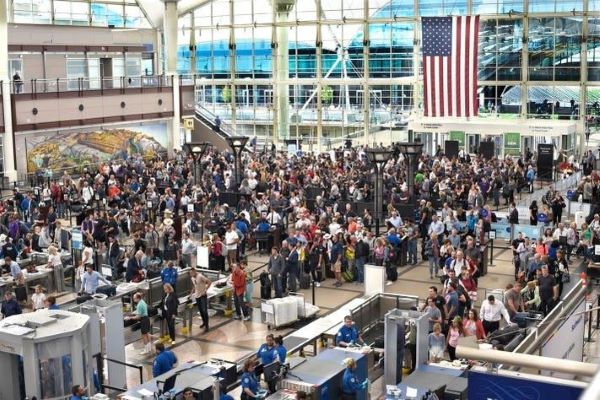
Around the gate, passengers begin hovering near the boarding lanes 20 minutes early. People clutch rolling bags tightly. Travelers repeatedly glance at the overhead bin areas through the aircraft door as if preparing for battle. A simple announcement from the gate agent suddenly makes everyone stand up at once.
For many people, boarding is the most emotionally draining part of flying — not turbulence, not takeoff, not even the flight itself.
And according to travel psychologists and frequent flyers, there’s a very real reason why.
Get the SkypropreAir Free Travel Pack
Plan smarter, choose a better seat and enjoy a more comfortable long-haul journey. Enter your details below to receive the Travel Pack.
Boarding Triggers a “Loss of Control” Response
The real reason boarding feels stressful is because it combines several powerful psychological triggers into one short experience:
-
Crowding
-
Uncertainty
-
Time pressure
-
Competition for space
-
Sensory overload
-
Temporary loss of personal control
The moment passengers enter the boarding process, the brain begins preparing for confinement. Even calm travelers subconsciously start asking themselves questions:
-
Will there be overhead bin space left?
-
Will someone recline into me for 10 hours?
-
Will boarding delay the flight?
-
Will I feel trapped onboard?
This creates what psychologists often describe as anticipatory stress — anxiety that happens before the actual event itself.
That’s why some passengers feel exhausted before the aircraft even pushes back from the gate.
Why Overhead Bin Space Secretly Creates Panic
One of the biggest hidden causes of boarding stress is competition for cabin storage.
Passengers know overhead bin space is limited. Once bins begin filling up, travelers fear their bags may be gate-checked far from them. That fear creates subtle survival behavior inside the boarding area.
This is why so many travelers crowd the gate long before their group is called.
Ironically, many passengers aren’t trying to board early for comfort.
They’re boarding early to avoid inconvenience.
Related:
Aircraft Cabins Were Never Designed for Calm Boarding
Modern aircraft cabins are incredibly efficient.
But emotionally calming? Not always.
During boarding, passengers are exposed to:
-
Narrow aisles
-
Bright lighting
-
Rolling luggage noise
-
Close physical proximity
-
Social pressure to move quickly
-
Confusing announcements
-
Sudden stops in crowded spaces
The human brain interprets crowded movement and restricted space as low-level stress signals. Even experienced travelers feel it.
This also explains why boarding widebody aircraft on long-haul routes often feels calmer than narrowbody domestic flights — even with more passengers onboard.
Frequent Flyers Quietly Use These Boarding Tricks
Seasoned travelers often develop rituals to reduce boarding stress without realizing it.
Some intentionally board later.
Others use smaller carry-ons to avoid overhead bin anxiety entirely.
Many frequent flyers put on noise-canceling headphones before boarding even starts.
Some travelers also strategically choose seats that reduce sensory stress.
Related:
Airlines Are Trying to Fix the Problem
Some airlines have experimented with:
-
Smaller boarding groups
-
Back-to-front boarding
-
Window-middle-aisle sequencing
-
Digital boarding notifications
-
Larger overhead bins
But passenger psychology remains difficult to manage because stress often starts before boarding officially begins.
Even simple uncertainty at the gate can increase anxiety levels dramatically.
And in the era of ultra-full flights, shrinking seat space, and packed overhead bins, boarding has quietly become one of the most emotionally intense parts of modern travel.
The Boarding Secret Most Travelers Eventually Learn
The calmest passengers are usually not the ones rushing to board first.
They’re the travelers who understand that boarding stress is largely psychological — and that controlling their own environment matters more than controlling the boarding line.
Sometimes the smartest move at the gate…
is simply sitting down and waiting.
Smart Travel Tip
Before your next long-haul flight, consider traveling lighter and choosing cabin-friendly luggage that fits easily under seats or in smaller overhead spaces. Many frequent travelers say reducing carry-on stress alone makes boarding feel dramatically calmer.
For flight comparisons on less crowded routes and more comfortable schedules, many travelers use Aviasales to compare airfare options across multiple airlines.
And if you’re traveling internationally, especially during busy summer travel periods, frequent flyers often recommend flexible medical and trip coverage through SafetyWing for added peace of mind during delays and disruptions.
FAQs
Why do passengers rush to board airplanes so early?
Most passengers are worried about overhead bin space disappearing before they board, especially on full flights.
Why does boarding feel more stressful than flying itself?
Boarding combines uncertainty, crowding, noise, time pressure, and loss of control — all of which increase anticipatory stress.
Is there a best way to reduce boarding stress?
Frequent travelers often recommend boarding later when possible, packing lighter, using noise-canceling headphones, and avoiding gate crowding.