
How Can an Airplane Stay in the Air for 24 Hours? The Science Behind Aviation’s Longest Flights
One Day. One Airplane. No Landing. Is That Really Possible?
Most people become restless after a three-hour flight.
Some struggle through eight hours.
Anything beyond twelve hours can feel like an eternity.
So how is it possible for a modern airliner to remain safely in the sky for an entire day without landing?
It sounds almost impossible.
Get the SkypropreAir Free Travel Pack
Plan smarter, choose a better seat and enjoy a more comfortable long-haul journey. Enter your details below to receive the Travel Pack.
Yet advances in aircraft engineering, fuel efficiency, pilot operations, and passenger comfort have made flights lasting well over 20 hours a reality.
A recent Airbus Project Sunrise test flight, which remained airborne for more than 24 hours, has once again captured the world’s attention. But the real story isn’t the record itself.
It’s the extraordinary science that makes such journeys possible.
Welcome to the fascinating world of ultra-long-haul aviation.
What Is an Ultra-Long-Haul Flight?
Most international flights last between six and twelve hours.
An ultra-long-haul flight generally refers to any nonstop journey lasting 18 hours or longer.
These flights connect cities separated by enormous distances without requiring passengers to change aircraft.
Examples include routes linking Australia with Europe or North America—journeys that once demanded one or even two stopovers.
Today, modern aircraft are making these direct connections increasingly practical.
Why Airlines Want Longer Nonstop Flights
At first glance, spending nearly a full day on one airplane might seem exhausting.
But many travellers actually prefer it.
Skipping intermediate airports means:
-
No rushing between connecting flights
-
Lower risk of missed connections
-
Reduced chance of lost baggage
-
Less waiting in busy terminals
-
Faster overall journey times
For business travellers, every saved hour matters.
For families, avoiding a stressful airport transfer can make the trip significantly easier.
Nonstop flights also simplify airline operations by eliminating an entire takeoff and landing cycle.
The Aircraft That Makes It Possible
Not every airplane can fly for an entire day.
Aircraft like the Airbus A350-1000ULR have been specifically designed for ultra-long-range missions.
Several innovations make this possible.
Exceptional Fuel Efficiency
Modern Rolls-Royce Trent XWB engines consume considerably less fuel than previous generations.
Less fuel burned means greater range.
Lightweight Carbon-Fibre Construction
More than half of the A350’s structure is built from advanced composite materials.
Because the aircraft weighs less than comparable older designs, it can carry more fuel while maintaining excellent efficiency.
Aerodynamic Design
The aircraft’s long, flexible wings generate lift more efficiently, reducing drag throughout the journey.
Every improvement in aerodynamics saves fuel over thousands of miles.
Advanced Flight Management Systems
Powerful onboard computers constantly optimise:
-
Speed
-
Altitude
-
Fuel burn
-
Route efficiency
-
Weather avoidance
These systems help ensure every kilogram of fuel is used as efficiently as possible.
Flying for 24 Hours Is Only Half the Challenge
Keeping the airplane airborne is remarkably difficult.
Keeping everyone inside healthy is even harder.
During ultra-long-haul operations, airlines carefully study:
-
Passenger fatigue
-
Sleep quality
-
Hydration
-
Cabin humidity
-
Nutrition
-
Mental alertness
-
Crew performance
-
Circadian rhythms
Researchers have discovered that carefully timed lighting and meal services can reduce the effects of jet lag.
Even cabin temperature may be adjusted during different stages of the flight to help passengers sleep more naturally.
Related Reading
If you’re interested in how airlines improve long-haul comfort, you may also enjoy:
How Do Pilots Stay Alert for an Entire Day?
One of the biggest misconceptions is that two pilots fly throughout the entire journey.
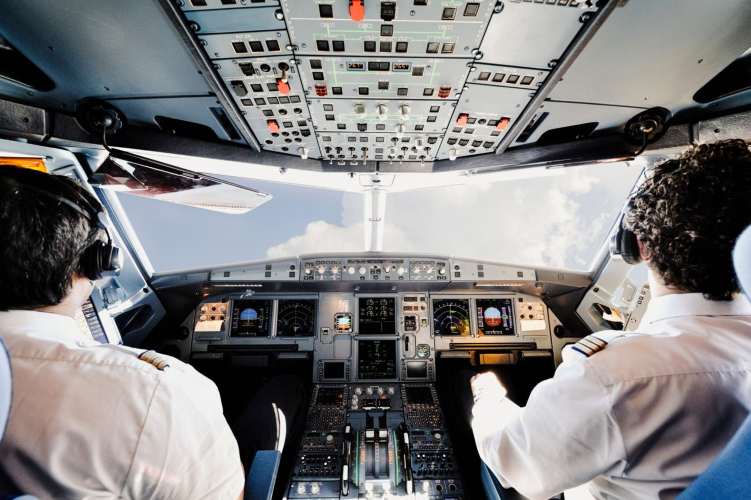
On ultra-long-haul flights, airlines typically carry augmented flight crews, meaning additional qualified pilots rotate through scheduled rest periods.
Special crew rest compartments located above or below the passenger cabin allow pilots to sleep before returning to the cockpit.
Strict international fatigue management rules determine:
-
Maximum duty periods
-
Required rest breaks
-
Sleep opportunities
-
Medical fitness
Safety remains the highest priority throughout the flight.
How Cabin Crew Handle Such Long Flights
Cabin crew also work in carefully planned shifts.
While one team serves passengers, another rests.
This rotation ensures that every crew member remains alert throughout the journey.
Long flights also require careful planning for:
-
Food supplies
-
Drinking water
-
Medical equipment
-
Waste management
-
Cabin cleanliness
Every detail is calculated before departure.
What About the Passengers?
Spending over 20 hours inside one aircraft requires thoughtful cabin design.
Manufacturers and airlines are introducing features specifically aimed at reducing fatigue.
These include:
-
Improved cabin air quality
-
Lower cabin altitude to reduce tiredness
-
Higher humidity levels
-
Larger overhead bins
-
Mood lighting that follows passengers’ natural body clocks
-
Quieter cabins
-
More spacious seating in premium cabins
Some future aircraft may even include dedicated wellness areas where passengers can stretch during the flight.
Project Sunrise: A Glimpse Into the Future
One of the most ambitious examples of ultra-long-haul aviation is Qantas’ Project Sunrise.
Its goal is to connect Australia directly with cities such as London and New York without intermediate stops.
To prepare for these demanding operations, Airbus recently completed a remarkable test flight in which an A350-1000ULR remained airborne for more than 24 hours, travelling from Melbourne to Toulouse.
The mission crossed multiple continents and oceans while allowing engineers to evaluate aircraft performance, fuel efficiency, crew operations, and passenger comfort under real-world ultra-long-haul conditions.
Rather than simply setting a record, the flight demonstrated how close aviation is to making some of the world’s longest nonstop passenger routes an everyday reality.
Could We See Even Longer Flights?
Many aviation experts believe today’s records may not last forever.
Future aircraft are expected to become:
-
Even lighter
-
More fuel-efficient
-
Quieter
-
More environmentally sustainable
Advances in sustainable aviation fuel, improved aerodynamics, and next-generation engine technology could eventually allow airlines to operate even longer nonstop routes while reducing emissions.
The challenge will no longer be whether the aircraft can make the journey.
It will be ensuring passengers remain comfortable enough to enjoy it.
The Future of Distance Is Changing
Only a generation ago, travelling between Australia and Europe almost always required several fuel stops.
Today, those journeys can be completed with a single flight.
Tomorrow, flights lasting more than 20 hours may become as ordinary as today’s transatlantic services.
The recent Project Sunrise demonstration reminds us that aviation has always pushed the boundaries of what seems possible.
Every breakthrough brings distant cities a little closer together.
And with every new generation of aircraft, the world becomes just a little bit smaller.
Planning Your Own Long-Haul Flight?
Compare airfare before you book to find the best value on international routes and choose itineraries that suit your comfort and budget.
Protect your journey with comprehensive travel insurance, especially when travelling on long-haul or multi-country trips where delays or disruptions can have a bigger impact.
Frequently Asked Questions
How can an airplane stay in the air for 24 hours?
Modern aircraft achieve this through highly fuel-efficient engines, lightweight composite materials, advanced aerodynamics, optimized flight planning, and the ability to carry enough fuel for ultra-long-range missions.
What is Project Sunrise?
Project Sunrise is Qantas’ initiative to operate nonstop passenger flights between Australia and destinations such as London and New York using specially configured Airbus A350-1000ULR aircraft.
Are 24-hour passenger flights available today?
Commercial flights exceeding 20 hours already operate on some routes, while flights approaching or exceeding 24 hours are currently limited to test missions and specialized operations.