
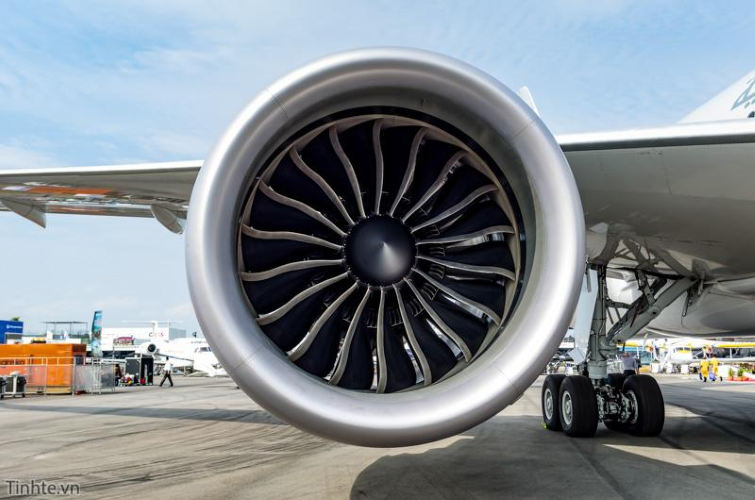
Why the Sound of Airplane Engines Feels Comforting to Some People
The Sound That Should Make You Nervous… Somehow Makes You Feel Safe
The aircraft pushes back from the gate.
The cabin lights dim.
Passengers settle into their seats.
Then it begins.
A deep, steady hum rises beneath your feet.
Get the SkypropreAir Free Travel Pack
Plan smarter, choose a better seat and enjoy a more comfortable long-haul journey. Enter your details below to receive the Travel Pack.
The engines awaken.
For a moment, the sound seems overwhelming. It vibrates through your seat, filling the cabin with the unmistakable power of modern aviation.
Yet something unexpected happens.
Instead of anxiety…
Many passengers feel calmer.
Their breathing slows.
Their minds become quieter.
Some even fall asleep before takeoff.
How can one of the world’s most powerful machines produce a sound that millions describe as comforting?
The answer lies inside the human brain, where psychology, biology, memory, and acoustics combine to create one of aviation’s most fascinating mysteries.
If you’ve ever wondered why flying affects us so differently, you may also enjoy The Boarding Process Is More Psychological Than Most Travelers Realise, where we explore how your journey begins influencing your emotions long before takeoff.
Your Brain Loves Predictable Sounds
Your brain is constantly scanning the environment for danger.
Sudden noises instantly grab your attention because they could signal a threat.
Continuous, predictable sounds are different.
Once your brain recognises that a sound is stable and harmless, it gradually stops paying attention to it.
Psychologists call this habituation.
Aircraft engines produce a remarkably steady low-frequency hum during cruise. Once passengers realise everything is functioning normally, that sound fades into the background.
Ironically, the engines become reassuring because they remain so consistent.
Planning your next journey?
Compare hundreds of airlines and find competitive fares before you fly.
- Book your next flight through SkypropreAir’s trusted Aviasales travel partner.
The Engine Hum Works Like White Noise
Many people sleep with fans running.
Others prefer rain sounds.
Some listen to ocean waves.
These are all forms of white noise that reduce sudden interruptions.
Aircraft engines create a very similar effect.
The constant background hum masks:
-
Conversations
-
Crying children
-
Food trolley noise
-
Seat movements
-
Random cabin sounds
Instead of dozens of unpredictable noises competing for your attention, your brain hears one continuous acoustic blanket.
That consistency makes it easier for many passengers to relax—especially during overnight flights.
If you’re interested in getting better sleep while flying, don’t miss The Hidden Science Behind Aircraft Oxygen Masks and The Most Dangerous Phase of Every Flight, which explain how the cabin environment affects both your body and your mind.
Low Frequencies Feel Surprisingly Relaxing
Modern turbofan engines produce large amounts of low-frequency sound.
Unlike sharp, high-pitched noises that immediately demand attention, these deeper frequencies tend to feel smoother and less intrusive.
Researchers believe this helps explain why many passengers describe cruise as peaceful despite sitting only metres from engines producing thousands of kilograms of thrust.
The cabin becomes a surprisingly calm environment.
Your Memories Shape What You Hear
For frequent travellers, engine sounds become associated with positive memories.
Family reunions.
Dream holidays.
Business success.
New adventures.
Returning home.
Every enjoyable flight strengthens those emotional connections.
Eventually, simply hearing the engines can trigger excitement before the aircraft even leaves the runway.
Psychologists call this associative learning.
The sound hasn’t changed.
Your emotional response has.
The Engines Tell Your Brain Everything Is Normal
Experienced travellers often notice subtle changes in engine power.
The loud acceleration during takeoff.
The quieter climb.
The smooth rhythm during cruise.
The gentle reduction during descent.
These changes happen in familiar patterns.
When everything sounds exactly as expected, your subconscious interprets it as confirmation that the aircraft is operating normally.
Interestingly, frequent flyers often notice silence more than noise.
Unexpected quietness naturally captures the brain’s attention because it differs from what is expected.
Flying internationally?
Unexpected delays, lost baggage or medical emergencies can happen on any journey.
Protect your trip with SkypropreAir’s trusted SafetyWing travel insurance partner before you depart.
Flying Gives Your Mind Permission to Disconnect
Life rarely stops making demands.
Phones ring.
Emails arrive.
Notifications compete for your attention.
Inside an aircraft, much of that disappears.
Combined with the steady engine hum, the cabin becomes a unique environment where your brain can finally slow down.
Many travellers find themselves reading more.
Thinking more clearly.
Reflecting on life.
Even solving problems that seemed impossible before boarding.
If you enjoy discovering the hidden psychology of flying, you’ll also like What Sunrise Looks Like From a Cockpit at 39,000 Feet, where pilots describe one of aviation’s most unforgettable experiences.
Why Some Passengers Sleep Before Takeoff
Cabin crew see it every day.
Passengers asleep while the aircraft is still taxiing.
Several factors combine to make this possible:
-
Dim lighting
-
Comfortable cabin temperature
-
Reduced outside distractions
-
Comfortable seating posture
-
Emotional release after reaching the aircraft
-
Continuous engine noise
The familiar hum becomes almost like a lullaby for frequent travellers.
Modern Aircraft Are Quieter Than Ever
Aircraft manufacturers have spent decades reducing cabin noise.
Today’s Airbus A350 and Boeing 787 Dreamliner feature:
-
Larger, quieter turbofan engines
-
Advanced acoustic insulation
-
Composite materials that reduce vibration
-
Improved airflow systems
-
Better cabin pressure management
These technologies don’t remove engine sounds entirely.
Instead, they soften the harsher frequencies while preserving the smooth background hum that many passengers find comforting.
If you’re interested in aircraft design, read Why the Airbus A380 Is Still the World’s Favorite Airplane to discover how modern engineering has transformed passenger comfort.
Not Everyone Finds Engine Noise Relaxing
The experience isn’t universal.
Some travellers remain anxious throughout every flight.
Others are highly sensitive to sound or vibration.
Personal experiences also play a major role.
Someone who associates flying with exciting holidays will often react very differently from someone whose last flight involved severe turbulence.
Our brains interpret identical sounds through the lens of emotion and memory.
Why Millions Listen to Airplane Sounds at Home
Search YouTube or Spotify and you’ll find thousands of recordings featuring:
-
Aircraft cabin ambience
-
Long-haul engine sounds
-
Cockpit recordings
-
Twelve-hour aviation white noise
Millions of people use them while:
-
Sleeping
-
Working
-
Studying
-
Reading
-
Relaxing
Many listeners have no upcoming flights.
They’re simply recreating one of the most effective forms of natural white noise ever experienced.
The Engines Represent Something Much Bigger
The comforting sound of airplane engines isn’t just about acoustics.
It’s about possibility.
Adventure.
Freedom.
Hope.
For some, it signals the beginning of the holiday they’ve dreamed about for years.
For others, it means finally returning home.
The engines don’t merely power an aircraft.
They announce the start of a new chapter.
That’s why, for millions of travellers, that familiar hum has become one of the most comforting sounds on Earth.
Final Thoughts
The calming effect of airplane engines is rooted in science.
Predictable sound patterns, white noise, emotional memory, and the brain’s preference for stability all work together to create a feeling that surprises many first-time flyers.
The next time you settle into your seat and hear the engines begin their steady rhythm, take a moment to notice your own reaction.
You might realise you’re hearing much more than machinery.
You’re hearing the sound of another journey beginning.
Continue Exploring SkypropreAir
If you enjoyed this article, you may also like:
Frequently Asked Questions
Why do airplane engine sounds help some people sleep?
The steady engine hum acts like white noise, masking sudden sounds while giving the brain a predictable environment that encourages relaxation.
Why are newer airplanes quieter than older aircraft?
Modern aircraft use advanced turbofan engines, better insulation, and composite materials that reduce vibration and cabin noise without eliminating the comforting background hum.
Why do people listen to airplane cabin sounds even when they aren’t flying?
Many people find aviation ambience ideal for sleeping, studying, reading, or working because its continuous sound reduces distractions and promotes focus.
Join the Conversation
When you hear an airplane’s engines during takeoff or while cruising at 39,000 feet, what do you feel first—comfort, excitement, nostalgia, or anxiety?
Why do you think that particular sound affects you the way it does? Share your experience in the comments—we’d love to hear your story.