
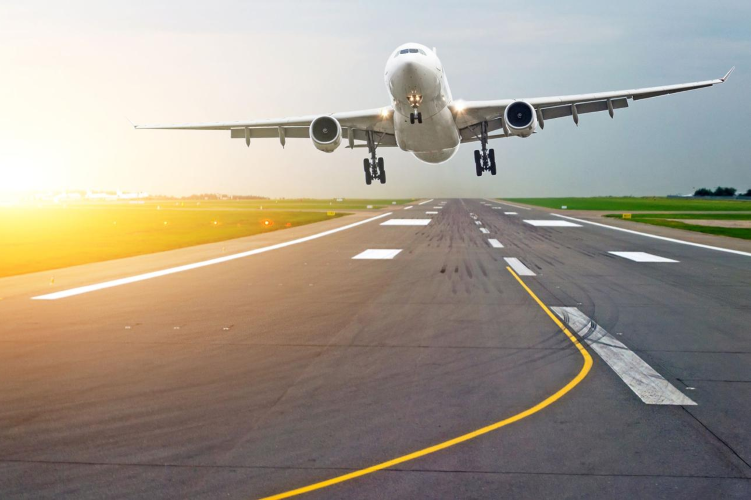
The Most Dangerous Phase of Every Flight (And Why It Lasts Only Minutes)
For a Few Minutes, Everyone on Board Is Holding Their Breath…
The engines roar to full power.
The aircraft begins racing down the runway faster than a speeding car.
You feel yourself pressed into your seat as the ground disappears beneath you.
For a brief moment, there is no turning back.
If something goes wrong now, pilots have only seconds to react.
Get the SkypropreAir Free Travel Pack
Plan smarter, choose a better seat and enjoy a more comfortable long-haul journey. Enter your details below to receive the Travel Pack.
Most passengers don’t realize it, but nearly every commercial flight has one period where the workload reaches its absolute peak. It’s the phase that airline crews train for relentlessly, where every checklist matters, every instrument is monitored, and every second counts.
Ironically, it’s also the part of the journey many travelers spend scrolling through their phones or thinking about their holiday.
So, what is the most dangerous phase of every flight?
The answer may surprise you—and it might change the way you think about flying forever.
Why Flying Is Still One of the Safest Ways to Travel
Before discussing the highest-risk moments, it’s worth remembering one reassuring fact.
Commercial aviation is extraordinarily safe.
Modern aircraft are built with multiple backup systems, sophisticated navigation technology, highly trained pilots, and strict maintenance standards.
Statistically, you’re far more likely to be involved in a road accident on the way to the airport than in an airline accident.
If you’re curious about just how safe modern flying has become, read our guide to Why Passenger Planes Fly at 35,000 Feet Instead of 10,000 and What Years of Flying Teach Pilots About Life.
The Critical Eight Minutes
Although many flights last several hours, aviation experts often point to one remarkably short period as the most critical.
The first three minutes after takeoff.
The final five to eight minutes before landing.
Together, these moments are known as the critical phases of flight.
During these minutes:
-
The aircraft is close to the ground.
-
Pilots make constant adjustments.
-
Airspeed changes rapidly.
-
Workload reaches its highest level.
-
There is very little time to respond if something unexpected occurs.
Altitude gives pilots options.
Near the runway, those options become much smaller.
Why Takeoff Is Aviation’s Moment of Maximum Commitment
Takeoff is one of the most carefully choreographed events in aviation.
The aircraft accelerates from zero to around 150–180 mph in less than a minute while pilots continuously monitor engine performance, runway distance remaining, airspeed, wind, warning systems, and flight controls.
Once the aircraft reaches V1, stopping safely may no longer be possible.
The crew is committed to flying.
This is exactly why airline pilots spend countless hours in flight simulators practising engine failures, rejected takeoffs, bird strikes, and other rare emergencies.
Planning your next flight?
- Compare airfare across hundreds of airlines with Aviasales before you book. Finding the right schedule and aircraft can make your journey both more comfortable and more affordable.
Landing Requires Incredible Precision
Landing may look routine from seat 24A.
Inside the cockpit, it’s anything but.
Pilots must constantly evaluate:
-
Aircraft speed
-
Wind strength
-
Crosswinds
-
Visibility
-
Runway condition
-
Aircraft weight
-
Descent angle
If any parameter falls outside safe limits, the crew performs a go-around.
Passengers sometimes panic.
Pilots don’t.
A go-around is a sign that safety comes before schedules.
If you’re interested in what happens on the flight deck during these moments, you may also enjoy What Sunrise Looks Like From a Cockpit at 39,000 Feet.
Cruise Flight Is Actually the Safest Part
Ironically, the phase many nervous passengers fear the most is actually the safest.
During cruise:
-
The aircraft flies at its optimum altitude.
-
Systems operate at peak efficiency.
-
Air traffic controllers continuously monitor the flight.
-
Pilots have significantly more time to solve unexpected problems.
Even turbulence rarely threatens a modern airliner.
The greatest danger comes from passengers walking around without fastening their seat belts.
To understand turbulence better, read The Part of the Aircraft That Feels Turbulence the Most.
The Sterile Cockpit Rule Saves Lives
Below 10,000 feet, pilots follow what’s called the Sterile Cockpit Rule.
No casual conversations.
No distractions.
Only flight-related communication.
This simple procedure has eliminated countless opportunities for human error and remains one of aviation’s most effective safety practices.
Technology Gives Pilots Extra Eyes
Today’s aircraft continuously monitor their surroundings using advanced systems including:
-
Terrain Awareness Systems
-
Collision Avoidance Systems
-
Wind Shear Detection
-
Weather Radar
-
Automatic Flight Protection
-
Advanced Navigation Computers
Some aircraft can even land automatically in extremely poor visibility.
Yet despite these innovations, pilots always remain in command.
Technology assists.
Humans decide.
How Passengers Can Improve Their Own Safety
You don’t need aviation training to improve your safety onboard.
Simply:
-
Wear your seat belt whenever seated.
-
Watch the safety demonstration.
-
Locate your nearest emergency exit.
-
Keep bags properly stowed.
-
Follow cabin crew instructions immediately.
Small habits can make a significant difference during unexpected situations.
Before every international trip, consider purchasing travel insurance.
- SafetyWing provides flexible travel medical insurance that can protect you against unexpected medical expenses, trip interruptions, and emergencies while abroad.
Why Flight Attendants Look So Serious During Takeoff
Have you noticed cabin crew sitting silently during takeoff and landing?
They aren’t simply waiting.
They’re mentally reviewing emergency procedures, identifying usable exits, preparing evacuation commands, and assuming protective positions.
This quiet routine is one more reason commercial aviation continues to achieve remarkable safety standards.
For more insight, read Why Flight Attendants Sit on Their Hands During Takeoff.
Fear Often Ignores the Facts
Our brains are wired to fear dramatic situations.
Rapid acceleration.
Sudden bumps.
Strong engine noise.
Yet these sensations are normal parts of flying.
The reality is that commercial aviation has become safer every decade thanks to improved aircraft design, better pilot training, advanced weather forecasting, and continuous learning from every incident worldwide.
Why Pilots Never Become Casual About These Moments
Even captains with 20,000 flight hours approach every takeoff and landing with complete focus.
Not because they expect something to go wrong.
Because professionalism means preparing for every possibility—even the unlikely ones.
Every safe landing is the result of thousands of hours of training, disciplined procedures, teamwork, and continuous practice.
That preparation is one of the biggest reasons flying remains one of the safest ways to travel.
Final Thoughts
The most dangerous phase of every flight lasts only a few minutes.
Yet those minutes receive more planning, more training, and more attention than any other part of the journey.
Every checklist.
Every simulator session.
Every cockpit procedure.
Every safety briefing.
They all exist to ensure that millions of passengers arrive safely every single day.
So the next time your aircraft begins accelerating down the runway or starts its descent toward your destination, remember:
Those few minutes aren’t just the most critical.
They’re also the most thoroughly prepared moments in all of modern transportation.
Frequently Asked Questions
Is takeoff more dangerous than landing?
Both are considered critical phases of flight. Historically, landing and approach account for slightly more accidents than takeoff, but both demand maximum concentration from the flight crew.
Why do pilots sometimes go around instead of landing?
A go-around is a normal safety manoeuvre used when the approach isn’t stable or conditions change. It is one of the safest decisions a crew can make.
Should I keep my seat belt fastened during the whole flight?
Yes. Aviation safety experts recommend keeping your seat belt loosely fastened whenever you’re seated because unexpected turbulence can occur without warning.
Join the Conversation
Have you ever experienced a dramatic takeoff, a go-around, or severe turbulence that changed the way you think about flying? Do you feel safer knowing why these critical minutes receive so much attention from pilots? Share your experience in the comments below—we’d love to hear your story.