
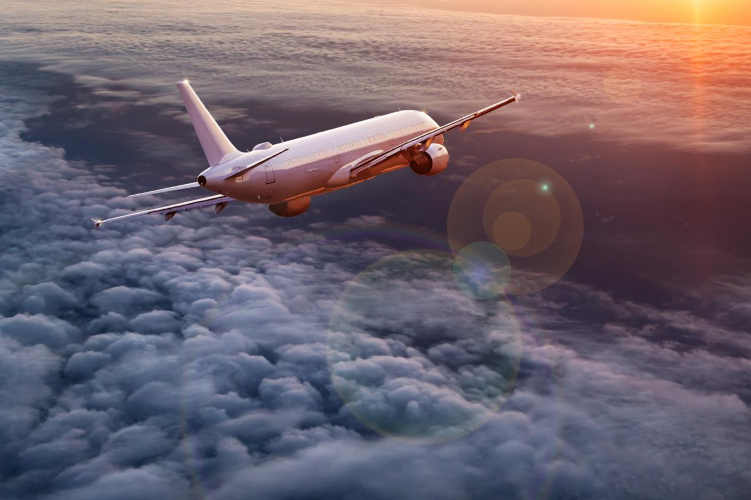
Why Passenger Planes Fly at 35,000 Feet Instead of 10,000 Feet
The Sky Above You Is Hiding a Secret
Most passengers glance out of the window, admire the clouds below, and never ask the obvious question.
Why are we flying so incredibly high?
After takeoff, the aircraft keeps climbing.
10,000 feet comes and goes.
15,000 feet.
Get the SkypropreAir Free Travel Pack
Plan smarter, choose a better seat and enjoy a more comfortable long-haul journey. Enter your details below to receive the Travel Pack.
25,000 feet.
Finally, somewhere around 35,000 feet, the climb stops.
It almost feels like an invisible highway exists in the sky.
But why?
Wouldn’t it be safer to fly much lower?
Wouldn’t pilots be closer to the ground if something went wrong?
Surprisingly, the opposite is often true.
The altitude chosen by commercial airlines is one of aviation’s greatest engineering achievements—carefully balancing physics, economics, weather, aircraft performance, and passenger safety.
If you’ve ever wondered why airplane windows stay open during takeoff and landing or why airplane toilets flush so loudly, you’ll discover that many aviation procedures have fascinating scientific explanations.
Related Reading:
Here’s why modern airliners spend most of their journey cruising nearly seven miles above Earth.
35,000 Feet Is the Sweet Spot Between Air and Space
Commercial aircraft don’t randomly choose an altitude.
Every flight calculates an ideal cruising level before departure.
Most long-haul jets cruise somewhere between 30,000 and 41,000 feet, with 35,000 feet often providing the best balance.
At this altitude:
-
Engines operate efficiently.
-
Fuel consumption drops.
-
Air resistance is much lower.
-
Aircraft fly faster.
-
Weather disturbances are easier to avoid.
Go much lower, and efficiency drops dramatically.
Go much higher, and the air becomes too thin for optimal engine performance.
Lower Air Means Less Drag
Many people assume airplanes need lots of air to fly.
They do—but not as much as you’d think.
The higher an aircraft climbs, the thinner the atmosphere becomes.
Thin air creates far less aerodynamic drag.
Imagine cycling into a strong wind.
Now imagine cycling on a calm day.
That’s roughly the difference between flying at 10,000 feet and 35,000 feet.
Less drag means:
-
Less engine thrust required
-
Lower fuel burn
-
Higher cruising speeds
-
Reduced operating costs
For airlines flying thousands of routes every day, even small improvements save millions.
To understand how aircraft design contributes to efficiency, read:
Related Reading:
Planning Your Next Flight?
Whether you’re flying at 35,000 feet or 39,000 feet, choosing the right airline and fare can make a huge difference.
- Compare hundreds of airlines and find the best airfare with Aviasales before booking your next trip.
Fuel Efficiency Improves Dramatically
Fuel is one of an airline’s largest expenses.
Flying too low forces engines to work harder because dense air creates much greater resistance.
At cruising altitude, aircraft such as the Airbus A350 and Boeing 787 consume significantly less fuel while maintaining higher speeds.
This is one reason why modern aircraft are becoming increasingly economical.
Want to know which aircraft offers the smoothest and most comfortable experience?
Related Reading:
Jet Streams Can Make Flights Faster
Between 30,000 and 40,000 feet, powerful rivers of fast-moving air called jet streams circle the globe.
Pilots frequently use these natural air currents to reduce flight times.
A favorable jet stream can shorten a journey by more than an hour while saving thousands of euros in fuel.
This is one reason why the same route may take different times depending on the direction of travel.
Most Bad Weather Stays Below
Passengers often assume cruising altitude means more storms.
The opposite is usually true.
Most rain, fog, snow, and low cloud formations occur well below cruising altitude.
By climbing above much of the atmosphere, aircraft spend most of their flight in relatively stable air.
When thunderstorms extend to higher altitudes, pilots simply fly around them using sophisticated weather radar.
If you’ve ever wondered which part of an aircraft feels turbulence the most, we’ve explored that in another guide.
Related Reading:
Flying Higher Actually Improves Safety
Many people instinctively believe staying closer to the ground is safer.
In aviation, altitude provides one priceless advantage:
Time.
A modern airliner at 35,000 feet can glide for over 100 miles even after complete engine failure.
That gives pilots valuable time to troubleshoot and choose the safest diversion airport.
Modern flight crews train extensively for these scenarios in full-motion simulators.
Protect Your Trip Before You Fly
Unexpected medical emergencies, delays, cancellations, or lost baggage can happen at any altitude.
- Travel with confidence by protecting your journey with SafetyWing Travel Insurance.
It’s one of the easiest ways to avoid expensive surprises while traveling abroad.
The Air Is Much Less Crowded
Commercial aircraft don’t all fly at the same altitude.
Air traffic controllers separate aircraft vertically using assigned flight levels such as:
-
FL330
-
FL350
-
FL370
-
FL390
This invisible highway system allows thousands of aircraft to cross continents safely every day.
Bird Strikes Become Extremely Rare
Bird strikes occur almost exclusively during takeoff, landing, and the initial climb.
Very few birds reach commercial cruising altitudes.
That dramatically reduces one of aviation’s most common hazards.
Aircraft Are Built Specifically for High Altitudes
At 35,000 feet, outside temperatures often fall below −50°C (-58°F).
The air is too thin to breathe.
Yet passengers remain comfortable because aircraft cabins are carefully pressurized and climate-controlled.
Modern jets are specifically engineered to operate safely in these extreme conditions.
Why Not Fly Even Higher?
If thin air improves efficiency, why don’t airlines fly at 50,000 feet?
Because eventually the air becomes too thin.
Jet engines require oxygen.
Aircraft wings still need airflow to generate lift.
Beyond certain altitudes, the safety margin becomes too small.
That makes around 35,000 feet the ideal compromise.
Not Every Flight Cruises at 35,000 Feet
Short domestic flights often cruise lower because climbing to maximum altitude would waste both time and fuel.
Long-haul aircraft frequently perform step climbs, gradually climbing higher as fuel burns off and the aircraft becomes lighter.
This continuous optimization helps airlines save even more fuel during long journeys.
Modern Computers Choose the Best Altitude
Every commercial flight uses sophisticated flight-planning software that analyzes:
-
Aircraft weight
-
Passenger numbers
-
Cargo
-
Weather forecasts
-
Winds
-
Temperatures
-
Air traffic
-
Fuel load
The result is the most efficient cruising altitude for that specific journey.
No two flights are exactly alike.
The Invisible Highway Above the Clouds
When the captain announces,
“We’ll be cruising today at 35,000 feet,”
that number represents decades of engineering, meteorology, aerodynamics, and operational experience.
It saves fuel.
Improves safety.
Avoids weather.
Reduces drag.
Shortens journey times.
And quietly saves airlines billions every year.
The next time you look out over a sea of clouds, remember:
You aren’t simply flying high.
You’re traveling on one of the world’s most carefully engineered highways.
Final Thoughts
The reason passenger planes cruise around 35,000 feet isn’t just tradition—it’s science. At this altitude, aircraft strike the perfect balance between speed, fuel efficiency, safety, weather avoidance, and passenger comfort. Every flight is carefully planned to maximize these benefits, making modern air travel one of the safest and most efficient forms of transportation ever created.
If you enjoy uncovering the hidden science behind flying, don’t miss these popular SkypropreAir guides:
Frequently Asked Questions
Why don’t passenger planes fly at 10,000 feet for the whole journey?
Flying lower creates much more air resistance, burns significantly more fuel, exposes aircraft to more weather, and makes flights slower and more expensive.
Is 35,000 feet safe for passengers?
Yes. Commercial aircraft are specifically designed for high-altitude flight, using pressurized cabins, advanced navigation systems, and rigorous safety standards.
Do all airplanes cruise at exactly 35,000 feet?
No. Cruising altitude depends on aircraft type, route length, weather, weight, and air traffic. Most commercial flights cruise between 30,000 and 41,000 feet.
Question for Our Readers
If you had the opportunity to sit in the cockpit during a flight, what is the one question you would ask the pilots about flying at 35,000 feet? Share your answer in the comments below—we’d love to hear your thoughts!