
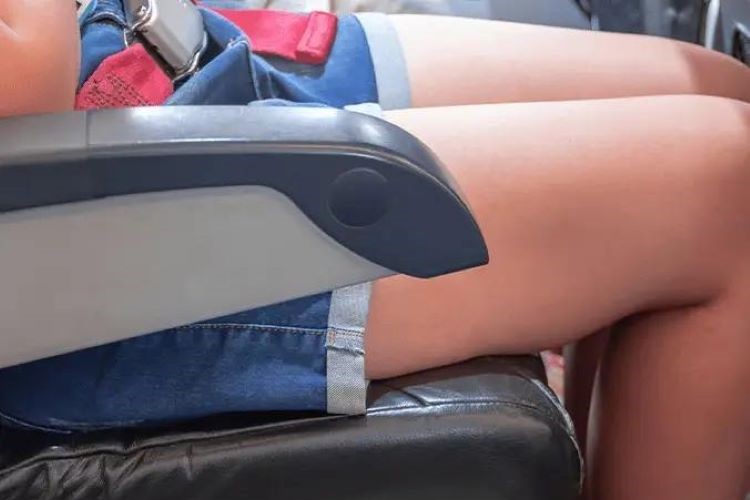
Why You Should Never Wear Shorts on an Airplane | Hidden Flight Comfort Risks
You finally board your flight.
The cabin is cool.
The seat looks clean.
You settle in wearing comfortable shorts, convinced you’ve made the smartest clothing choice for a long journey.
But within minutes, your bare legs are touching a surface that has already been used by hundreds—sometimes thousands—of passengers before you.
Get the SkypropreAir Free Travel Pack
Plan smarter, choose a better seat and enjoy a more comfortable long-haul journey. Enter your details below to receive the Travel Pack.
Few travelers ever stop to think about what they’re actually sitting on.
And that’s only the beginning.
What seems like the most comfortable outfit for a flight can quietly expose you to cold temperatures, skin irritation, unexpected discomfort, and hygiene issues that frequent flyers have learned to avoid.
There’s a reason many experienced travelers—even on flights to tropical destinations—choose lightweight trousers instead of shorts.
Here’s why.
Your Seat May Not Be As Clean As It Looks
Aircraft cabins are cleaned between flights.
But there’s an important distinction.
Most turnaround cleaning focuses on removing visible rubbish, vacuuming floors, and preparing the cabin for the next passengers.
Deep sanitization of every seat isn’t practical between every flight, especially during busy schedules.
That means seat cushions and armrests can still carry sweat, spilled drinks, food residue, body oils, and bacteria from previous travelers.
When you wear trousers, there’s an extra layer between your skin and the seat.
With shorts, your skin is in direct contact for hours.
You may never notice anything.
But frequent travelers often prefer creating that extra barrier.
Related reading: The Cleanest and Dirtiest Places on an Airplane: What Most Passengers Never Think About.
Cabin Temperatures Can Become Surprisingly Cold
Many people imagine aircraft cabins being warm.
The opposite is often true.
Most commercial aircraft maintain cabin temperatures around 22–24°C (72–75°F), but temperatures vary throughout the flight.
Some cabins feel considerably colder, especially during overnight flights or while cruising at high altitude.
Cold air also flows continuously from overhead vents.
If your legs are exposed, you may gradually become uncomfortable without realizing why.
Many passengers end up asking for blankets shortly after takeoff.
Experienced flyers often avoid this problem entirely by wearing breathable trousers that provide warmth without overheating.
Related reading: Why Airplane Cabins Make Your Nose Dry (and What You Can Do About It).
Plan Your Flight for Less
Before your next trip, compare fares across hundreds of airlines and booking sites using Aviasales. Finding the right flight at the right price means you can spend more on comfort and less on airfare.
- Compare flight prices with Aviasales before you book.
Emergency Evacuations Are Unpredictable
Nobody boards expecting an emergency.
Fortunately, they’re extremely rare.
But airlines still prepare passengers for them because every second matters.
If an evacuation becomes necessary, passengers may have to:
-
Walk across hot pavement
-
Move over rough concrete
-
Slide down emergency evacuation slides
-
Exit through debris or damaged surfaces
Bare skin offers much less protection against scrapes, burns, friction, and cuts.
While clothing alone cannot prevent injuries, long trousers provide another protective layer that shorts simply don’t.
It’s one of those details most travelers never think about—until aviation professionals explain it.
Long Flights Become Less Comfortable Than You Expect
On short flights, shorts may seem perfectly fine.
On six-, eight-, or twelve-hour journeys, your body experiences something different.
Continuous contact with seat fabric can create:
-
Skin irritation
-
Pressure discomfort
-
Sticky skin from perspiration
-
Chafing
Cabin air is exceptionally dry, reducing skin moisture throughout the journey.
Exposed skin often becomes dry faster than covered skin.
Many frequent flyers find lightweight travel trousers significantly more comfortable after several hours.
Related reading: Why Frequent Flyers Never Travel Without Noise-Cancelling Headphones.
Airplane Blankets Aren’t Always the Solution
Some airlines provide blankets.
Others don’t.
Budget airlines rarely offer them without an additional fee.
Even when blankets are available, many travelers prefer not to rely on shared items unless they’re individually sealed after laundering.
Wearing appropriate clothing means you stay comfortable regardless of what the airline provides.
Experienced travelers generally plan for the cabin—not the weather outside.
Travel Smarter with SafetyWing
Unexpected delays, medical emergencies, or lost baggage can quickly turn a great trip into an expensive one. Many frequent travellers protect themselves with flexible travel insurance before departure.
- Check SafetyWing travel insurance before your next flight.The Cabin Isn’t Designed for Summer Clothing
People dress for their departure city.
They often forget they’re about to spend several hours inside a pressurized metal tube cruising around 35,000 to 40,000 feet above the Earth.
The outside temperature may be close to −50°C.
Although aircraft insulation and environmental control systems keep cabins comfortable, they’re designed for efficiency—not beach weather.
That means clothing suitable for walking through a hot airport terminal isn’t always ideal once the aircraft reaches cruising altitude.
Layering almost always beats minimal clothing.
You May Touch More Surfaces Than You Realize
During a flight, your legs naturally come into contact with:
-
Seat cushions
-
Armrests
-
Tray tables while adjusting position
-
Other passengers during boarding
-
Window panels
-
Cabin walls
The more exposed skin you have, the greater the chance of touching shared surfaces.
Again, this doesn’t mean flying is unsafe.
Commercial aviation remains one of the safest forms of travel.
It’s simply another reason many experienced passengers prefer an additional clothing barrier.
Compression Socks Work Better With Long Trousers
Many long-haul travelers wear compression socks to help reduce leg fatigue and improve circulation.
While compression socks can absolutely be worn with shorts, many passengers feel more comfortable and discreet when they’re covered by lightweight trousers.
This combination also provides better warmth during long overnight flights.
Related reading: The Airplane Seat Mistake Almost Everyone Makes.
Airlines See Every Type of Passenger—Frequent Flyers Learn What Works
Watch experienced business travelers board an international flight.
You’ll notice a pattern.
Many wear:
-
Breathable travel trousers
-
Stretch fabrics
-
Layers
-
Comfortable walking shoes
-
Light jackets
It’s rarely about fashion.
It’s about comfort after several hours in a dry, cool cabin.
The best travel clothing often looks surprisingly ordinary.
The Best Alternative Isn’t Heavy Jeans
Avoiding shorts doesn’t mean wearing thick denim.
Heavy jeans can become restrictive during long flights.
Instead, frequent flyers often choose:
-
Lightweight travel trousers
-
Stretch chinos
-
Performance hiking pants
-
Moisture-wicking joggers
-
Soft merino wool travel pants
These fabrics balance warmth, breathability, and comfort while remaining suitable for changing cabin temperatures.
Save Money Before You Fly
The cheapest ticket isn’t always the best value. Compare routes, airlines, baggage policies, and prices in one place before booking.
- Search for your next flight with Aviasales.
When Wearing Shorts Actually Makes Sense
There are situations where shorts are perfectly reasonable:
-
Very short domestic flights
-
Tropical destinations with minimal airport transfers
-
Private aviation
-
Flights where you’ll immediately change after arrival
Even then, carrying lightweight trousers in your cabin bag is a smart backup if temperatures become uncomfortable.
The Verdict
Wearing shorts on an airplane isn’t dangerous.
Millions of passengers do it every year without problems.
But experienced travelers tend to think differently.
They prepare for hours spent in a cool, dry cabin, sitting on shared surfaces while dealing with changing temperatures and the possibility of unexpected delays.
Lightweight trousers offer a simple advantage.
They help protect your skin from direct contact with the seat, keep you warmer in cold cabins, reduce irritation during long flights, and provide an extra layer of protection should an unlikely emergency occur.
It’s a small decision before departure that can make a noticeable difference by the time you land.
The next time you’re packing for a flight, don’t just dress for the destination.
Dress for the journey.
Continue Reading on SkypropreAir
If you found this guide helpful, you may also enjoy:
FAQs
1. Is it unhealthy to wear shorts on an airplane?
Not necessarily. Wearing shorts isn’t inherently unhealthy, but long trousers provide better protection from cold cabin temperatures, shared seat surfaces, and minor skin irritation during long flights.
2. What should I wear instead of shorts on a long flight?
Lightweight travel trousers, stretch joggers, performance hiking pants, or breathable chinos are excellent choices. They provide comfort while adapting better to changing cabin temperatures.
3. Why do frequent flyers usually wear long trousers?
Experienced travelers often prioritize comfort over appearance. Long trousers help regulate body temperature, reduce skin contact with shared surfaces, and offer better protection during extended periods of sitting, making them a practical choice for long-haul travel.
Question for Readers
Have you ever been uncomfortably cold on a flight because of what you were wearing, or do you think shorts are still the best choice for flying? Share your experience in the comments below!