
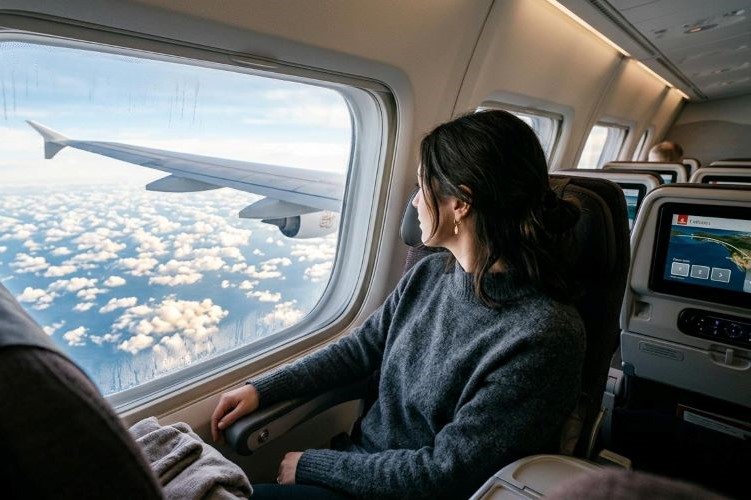
The Airplane Seat Mistake Almost Everyone Makes
Imagine this.
You spend weeks planning the perfect trip. You compare airlines, search for the best fares, reserve your hotel, and carefully pack your luggage.
Finally, boarding begins.
You walk down the jet bridge excited about the journey ahead.
Then, without realizing it, you make a decision that could determine whether the next several hours feel comfortable—or miserable.
Get the SkypropreAir Free Travel Pack
Plan smarter, choose a better seat and enjoy a more comfortable long-haul journey. Enter your details below to receive the Travel Pack.
It happens every day.
Millions of passengers choose their seats based on habit rather than strategy.
And that’s why so many travelers arrive tired, sore, and wondering why the flight felt much longer than it should have.
The airplane seat mistake almost everyone makes isn’t choosing the middle seat.
It’s choosing a seat number instead of choosing a flight experience.
Why Most Travelers Think About Seats the Wrong Way
When selecting a seat, most passengers ask:
Window or aisle?
Front or back?
Extra legroom or standard?
Those questions matter.
But they are not the most important questions.
The reality is that two seats with identical dimensions can feel completely different during the same flight.
One may allow you to sleep peacefully.
Another may leave you dealing with noise, passenger traffic, bright lights, and constant interruptions.
The difference isn’t the seat itself.
It’s where that seat is located within the aircraft.
That’s what experienced travelers understand and casual travelers often overlook.
The Hidden Influence of Seat Location
Airplanes are not equally comfortable from front to back.
Certain areas naturally attract more activity.
Some sections are quieter.
Others experience constant movement.
Passengers seated near lavatories often deal with people gathering beside their row throughout the flight.
Those near galleys may hear conversations, meal preparation, and service carts moving at all hours.
Even a difference of three or four rows can dramatically affect comfort.
The environment around your seat matters just as much as the seat itself.
The Rear Cabin Comfort Myth
Many travelers choose seats at the back of the aircraft because they’re usually easier to find.
Sometimes they’re cheaper.
Sometimes they’re assigned automatically.
But rear-cabin seating comes with trade-offs.
The back of an aircraft often experiences more noticeable movement during turbulence.
This doesn’t make it unsafe.
Commercial aviation remains extraordinarily safe.
However, turbulence can feel stronger in the rear section, particularly on longer flights.
Rear seats are also commonly located near lavatories and galley areas, increasing the likelihood of noise and interruptions.
Passengers hoping to sleep may find these locations less relaxing than they expected.
The Window Seat Isn’t Always the Best Seat
The window seat enjoys legendary status among travelers.
You get the view.
You have a wall to lean against.
Nobody asks you to move.
What’s not to love?
Quite a lot, actually.
Passengers in window seats often avoid getting up because they don’t want to disturb others.
On longer flights, this can reduce movement and increase stiffness.
Meanwhile, aisle-seat travelers can stand, stretch, and walk around much more easily.
The best seat isn’t the most popular seat.
It’s the seat that best matches your travel habits.
Someone who wants uninterrupted sleep may love the window.
Someone who values freedom of movement may prefer the aisle.
Related Reading:
-
Best Economy Seats for Tall Passengers
-
Exit Row vs Bulkhead Seats: Which Is Better?
Planning Your Next Flight?
The right seat starts with the right aircraft.
Before booking, compare aircraft types, routes, and fares using Aviasales to identify flights that offer the most comfortable experience.
- Compare Flight Options with Aviasales
The Legroom Illusion
Ask passengers what they want most from a seat and many will immediately say:
“More legroom.”
Extra space certainly helps.
But comfort isn’t determined by legroom alone.
Noise levels matter.
Seat width matters.
Cabin temperature matters.
Passenger traffic matters.
You can sit in an exit row with outstanding legroom and still have a poor experience if you’re next to a busy lavatory.
Comfort is rarely about a single feature.
It’s the result of several factors working together.
That’s why experienced travelers evaluate the entire seating environment rather than focusing on one measurement.
Why Frequent Flyers Choose Seats Differently
Frequent travelers don’t simply choose seats.
They research experiences.
Before booking, many study aircraft layouts and cabin maps.
They identify quieter sections.
They avoid high-traffic areas.
They learn which rows don’t recline and which rows offer extra comfort.
Most importantly, they pay attention to aircraft type.
An economy seat on an Airbus A350 may feel dramatically different from an economy seat on an older aircraft.
That’s why seasoned travelers often choose their aircraft before choosing their seat.
Related Articles on SkypropreAir:
The Psychology Behind Poor Seat Choices
Airlines know passengers are busy.
Most bookings happen while travelers are comparing schedules, baggage policies, connection times, and prices.
Seat selection becomes an afterthought.
Passengers click quickly and move on.
Yet that tiny decision can influence the next eight, ten, or twelve hours.
Comfort affects mood.
Mood affects stress.
Stress affects how we remember the journey.
A poorly chosen seat can make an average flight feel exhausting.
A carefully chosen seat can make a long-haul journey feel surprisingly pleasant.
Protect More Than Just Your Seat
Even the perfect seat can’t protect you from lost baggage, medical emergencies, or unexpected cancellations.
Before your next trip, consider travel protection from SafetyWing.
- Get a SafetyWing Travel Insurance Quote
The Three Questions Every Traveler Should Ask
Before selecting any seat, ask yourself:
1. What matters most to me—sleep, space, views, or mobility?
2. How long is the flight?
3. What aircraft am I flying?
If sleep is your priority, choose a quieter area away from lavatories and galleys.
If you’re tall, consider paying for extra legroom.
If you frequently move around, an aisle seat may be worth more than a window view.
The goal isn’t finding the best seat on the aircraft.
The goal is finding the best seat for you.
Small Decisions Create Big Travel Experiences
Many travelers spend hours researching destinations.
They compare hotels.
They read reviews.
They plan every detail.
Yet they spend only seconds choosing where they’ll sit for the next ten hours.
That’s the airplane seat mistake almost everyone makes.
They treat seat selection as a minor detail when it’s actually one of the biggest factors influencing travel comfort.
The next time you book a flight, don’t ask:
“Which seat should I choose?”
Ask:
“How do I want to feel when I land?”
That simple question could completely change the way you fly.
Frequently Asked Questions
1. What is the most comfortable seat on an airplane?
There is no universal best seat. The ideal choice depends on whether you prioritize sleep, legroom, quiet surroundings, or easy aisle access.
2. Is it worth paying extra for seat selection?
On longer flights, paying for the right seat can significantly improve comfort, sleep quality, and overall travel satisfaction.
3. Which seats should I avoid on an airplane?
Seats near lavatories, galleys, and high-traffic areas often experience more noise and interruptions than other parts of the cabin.
Join the Discussion
If every seat on an airplane cost exactly the same price, which seat would you choose—and what would that reveal about what you truly value when you travel?