
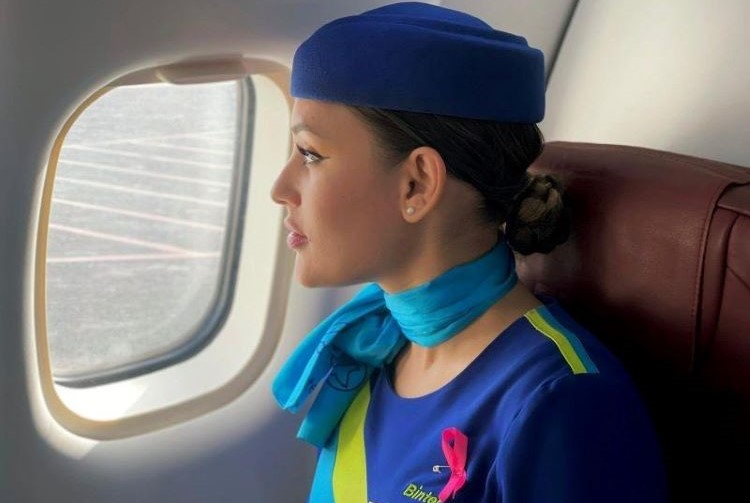
Why Airplane Windows Stay Open During Takeoff and Landing
You settle into your seat and hear the familiar announcement.
“For takeoff, please ensure your window shade is fully open.”
Around the cabin, hundreds of passengers reluctantly slide their window shades upward.
Some squint against the bright sunlight.
Others immediately wonder the same thing:
Get the SkypropreAir Free Travel Pack
Plan smarter, choose a better seat and enjoy a more comfortable long-haul journey. Enter your details below to receive the Travel Pack.
Why does it matter?
Surely modern aircraft, sophisticated enough to fly across oceans at nearly 600 mph, don’t really depend on passengers keeping their windows uncovered.
Or do they?
The real reason has almost nothing to do with enjoying the view—and everything to do with what could happen during the most critical moments of every flight.
Why Takeoff and Landing Are the Most Dangerous Parts of Flying
Commercial aviation is remarkably safe.
Yet aviation experts know that if an accident does occur, it is statistically most likely to happen during takeoff or landing.
These are the phases when aircraft are closest to the ground, operating at lower speeds, and pilots have the least amount of time to react to unexpected problems.
Bird strikes.
Engine failures.
Runway incursions.
Crosswinds.
Landing gear malfunctions.
Every second matters.
That is why airlines prepare the cabin differently before these phases begin.
One of those preparations is surprisingly simple:
Open the window shades.
Related Reading: The Emergency Exit Most Passengers Walk Past Without Noticing
The Cabin Crew Needs Hundreds of Extra Eyes
Passengers often assume the pilots are the only people watching outside.
In reality, cabin crew members also play an important role.
Flight attendants are trained to observe conditions outside.
With window shades open, they can quickly notice:
-
Smoke coming from an engine
-
Fire near a wing
-
Fuel leaks
-
Structural damage
-
Obstructions on the runway
-
Debris following a hard landing
If every shade remained closed, the cabin crew would lose hundreds of viewpoints around the aircraft.
Instead of relying on only cockpit instruments, they gain additional visual awareness from every row.
That information can become extremely valuable during an emergency.
Planning Your Next Trip?
Before your next flight, compare fares across hundreds of airlines with Aviasales. Many travelers find better prices by comparing routes before booking, especially on long-haul journeys.
- Compare Flight Prices with Aviasales
Passengers Can Spot Problems Too
It may sound surprising, but passengers have occasionally noticed serious issues before the crew.
Someone seated over the wing might notice:
-
Flames
-
Ice buildup
-
Loose panels
-
Fuel spraying unexpectedly
Passengers naturally react.
Even a shout of “There’s fire on the wing!” immediately alerts nearby cabin crew, who can confirm the situation.
No airline expects passengers to monitor the aircraft.
But keeping the shades open gives everyone the ability to notice something unusual if it happens.
Your Eyes Need Time to Adjust
Imagine an emergency landing at sunset.
The cabin lights are dim.
Window shades are closed.
Suddenly the aircraft stops abruptly and an evacuation begins.
The doors open.
Outside is bright daylight.
Your eyes struggle to adapt.
That delay—even if only a few seconds—can matter during an evacuation.
By keeping the shades open before takeoff and landing, passengers’ eyes remain better adjusted to the outside light conditions.
Whether it’s daylight, darkness, fog, or snow, everyone already has a sense of the environment outside.
This helps reduce confusion during the first critical moments after an emergency stop.
- You may also enjoy: Why Cabin Pressure Makes Some People Feel Exhausted
Cabin Crew Must Know Which Exit Is Safe
Not every aircraft exit is usable during an emergency.
Imagine one side of the aircraft has an engine fire.
Opening that exit could expose passengers directly to flames.
Before opening any emergency exit, cabin crew quickly assess conditions outside.
Open window shades make this assessment much faster.
They can instantly identify:
-
Fire
-
Water
-
Rocks
-
Steep drops
-
Fuel spills
-
Other hazards
A few seconds saved can dramatically improve evacuation safety.
Investigators Have Learned From Past Accidents
Many aviation safety procedures exist because investigators discovered ways to improve survival after previous accidents.
Over decades, accident investigations repeatedly showed that rapid awareness of outside conditions helped cabin crews make faster decisions.
As a result, airlines around the world gradually standardized procedures such as:
-
Opening window shades
-
Securing tray tables
-
Returning seats upright
-
Stowing baggage
-
Dimming cabin lights for night operations
Each measure may seem minor alone.
Together, they create a safer cabin environment if something unexpected happens.
Travel With Peace of Mind
Flight disruptions, medical emergencies, and lost baggage can happen unexpectedly. Before your next journey, consider protecting your trip with SafetyWing Travel Insurance, a popular option for frequent flyers and digital travelers.
- Check SafetyWing Travel Insurance
Why Cabin Lights Are Sometimes Dimmed Instead
Passengers flying at night often notice another unusual procedure.
The cabin lights become much dimmer before landing.
This serves a similar purpose.
Dim lighting allows passengers’ eyes to adjust to darkness.
If an evacuation becomes necessary, people can immediately see outside without losing precious seconds while their vision adapts.
During daytime flights, open window shades accomplish much of the same objective by allowing natural light into the cabin.
- Related Article: Can a Sleep Mask Really Improve Sleep on Flights?
Why Some Airlines Seem More Strict Than Others
If you’ve flown frequently, you’ve probably noticed differences.
Some flight attendants insist every shade be opened.
Others appear more relaxed.
The difference often comes down to:
-
Airline operating procedures
-
National aviation regulations
-
Individual crew discretion
-
Weather conditions
-
Aircraft type
Despite these variations, many airlines strongly encourage—or require—window shades to remain open during taxi, takeoff, and landing because it supports faster situational awareness.
What About Sleeping Passengers?
Many travelers dislike opening the shade.
Long-haul passengers especially want darkness to continue sleeping.
Unfortunately, takeoff and landing are not the safest times to prioritize comfort.
The request usually lasts only a few minutes.
Once the aircraft reaches cruising altitude, passengers are generally free to close the shade again unless instructed otherwise.
It is a small inconvenience that contributes to the overall safety strategy used by airlines worldwide.
Modern Technology Hasn’t Replaced This Simple Rule
Today’s aircraft are equipped with:
-
Advanced weather radar
-
Engine monitoring systems
-
High-resolution cockpit displays
-
External cameras on some aircraft
-
Sophisticated warning systems
Yet none of these technologies eliminate the value of human observation.
Technology can detect many problems.
Human eyes can still notice unexpected situations that sensors may not immediately identify.
That is why one of aviation’s simplest safety procedures remains unchanged.
- Further Reading: What It’s Really Like Flying on the Boeing 787 Dreamliner
The Tiny Habit That Could Matter Most
Opening your window shade doesn’t make the aircraft fly better.
It doesn’t help the pilots navigate.
It won’t prevent mechanical failures.
What it does is ensure that if something unusual happens during the most critical moments of flight, cabin crew and passengers have the clearest possible view of the outside world.
It is one of those quiet aviation habits that most travelers barely notice.
Yet behind that simple request lies decades of safety experience, careful risk management, and a commitment to giving everyone on board the best possible chance to react quickly if the unexpected occurs.
So the next time a flight attendant asks you to raise your window shade before takeoff or landing, you’ll know it’s not about enjoying the scenery.
It’s about making sure everyone can see when it matters most.
Frequently Asked Questions
Why do flight attendants ask passengers to open window shades during takeoff and landing?
Opening the shades allows cabin crew to quickly assess outside conditions such as smoke, fire, fuel leaks, or obstacles, while also helping passengers’ eyes adjust to outside lighting in case an evacuation becomes necessary.
Can I close my airplane window shade during the flight?
Yes. On most airlines, once the aircraft has reached cruising altitude, passengers are generally free to close their window shades for comfort unless the crew requests otherwise.
Is opening the window shade a legal requirement?
Rules vary by airline and country, but many airlines include open window shades in their standard operating procedures because they improve visibility and situational awareness during the most critical phases of flight.
Join the Conversation
If airlines removed the rule requiring window shades to stay open during takeoff and landing, do you think passenger comfort should take priority—or should even small safety precautions always come first? Share your thoughts in the comments below.