
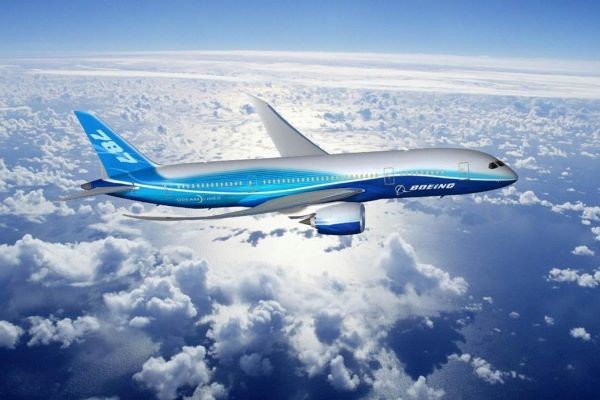
What It’s Really Like Flying on the Boeing 787 Dreamliner
Powerful Emotional Hook
You settle into your seat expecting another exhausting long-haul flight.
Another dry throat.
Another pounding headache.
Another sleepless night spent counting the hours until landing.
Then something feels… different.
Get the SkypropreAir Free Travel Pack
Plan smarter, choose a better seat and enjoy a more comfortable long-haul journey. Enter your details below to receive the Travel Pack.
Your ears don’t pop as much during climb. Your skin doesn’t feel like paper halfway through the journey. Hours later, you glance at the flight map and realize something surprising—you don’t feel nearly as drained as you normally do.
For millions of travelers, the Boeing 787 Dreamliner has quietly changed what flying feels like. Yet many passengers board without realizing they’re stepping onto one of the most technologically advanced commercial aircraft ever built.
Is the Dreamliner really that much better—or is it simply brilliant marketing?
The answer lies somewhere between engineering, psychology, and thousands of tiny details working together above 35,000 feet.
The First Impression Starts Before You Even Sit Down
Walk through the aircraft door and one thing immediately stands out.
Light.
Instead of the dim, cramped feeling found on many older aircraft, the Dreamliner feels open and spacious.
The sweeping ceiling curves upward.
LED mood lighting gently changes throughout the flight.
The overhead bins are larger and blend smoothly into the cabin design.
It doesn’t feel revolutionary at first.
It simply feels… calmer.
That first impression matters because passenger anxiety often begins before takeoff.
The Dreamliner’s cabin was intentionally designed to reduce that stress.
Planning your next long-haul trip? Compare airlines and specifically search for Boeing 787-operated flights through Aviasales. Many experienced travelers now choose flights based on aircraft type—not just price—and finding a Dreamliner can make a noticeable difference on journeys lasting six hours or more.
The Cabin Air Feels Noticeably Different
One of the Dreamliner’s biggest advantages isn’t something you can actually see.
It’s the air you breathe.
Older aircraft typically maintain a cabin altitude equivalent to around 8,000 feet.
The Boeing 787 lowers that to approximately 6,000 feet.
That may sound like a small difference.
It isn’t.
Passengers often report:
-
Less fatigue
-
Fewer headaches
-
Reduced dizziness
-
Better hydration
-
Less shortness of breath
The aircraft also maintains higher cabin humidity than most older jets.
Traditional airplanes have extremely dry air because aluminum structures limit humidity levels due to corrosion concerns.
The Dreamliner’s carbon-fiber composite fuselage allows airlines to safely maintain more moisture in the cabin.
That means:
-
Your nose feels less dry.
-
Your eyes burn less.
-
Your lips don’t crack as quickly.
-
Your skin feels noticeably better after long flights.
Many travelers only realize the difference after flying another aircraft later.
The Windows Completely Change the Experience
One feature has become almost legendary.
The windows.
They’re around 30% larger than those on many older aircraft.
Instead of pulling down a plastic shade, passengers press a button that electronically darkens the glass.
Five tint levels allow outside visibility while reducing sunlight.
This creates a surprisingly different cabin atmosphere.
Instead of rows of closed shades creating a dark tunnel, the cabin often remains softly illuminated.
Passengers can still enjoy spectacular views without harsh sunlight flooding the cabin.
For aviation enthusiasts, it’s one of the Dreamliner’s signature features.
The Quiet Is Almost Unsettling
Many first-time Dreamliner passengers mention one thing.
“It’s so quiet.”
That’s not imagination.
The Boeing 787 incorporates specially designed engine nacelles, improved insulation, advanced aerodynamics, and noise-reduction technology throughout the cabin.
Engine noise feels more distant.
Wind noise is reduced.
Cabin conversations become easier.
Watching movies requires less volume.
Sleeping becomes easier because there is simply less background noise competing for your attention.
On overnight flights, that quieter environment can significantly improve sleep quality.
The Ride Often Feels Smoother Than Expected
Every aircraft encounters turbulence.
The Dreamliner doesn’t eliminate it.
But many passengers say turbulence feels less abrupt.
That’s partly because the aircraft’s advanced flight-control systems continuously adjust control surfaces to maintain smoother handling.
Its flexible composite wings also absorb some movement differently than traditional aluminum wings.
Watching the enormous wings bend dramatically during turbulence can surprise first-time passengers.
But that’s exactly how they were designed.
The flex is a sign of strength—not weakness.
Long Flights Become Less Exhausting
A 10-hour flight rarely feels enjoyable.
But many passengers describe arriving on the Dreamliner feeling noticeably fresher.
Several factors work together:
-
Higher humidity
-
Lower cabin altitude
-
Reduced cabin noise
-
Better lighting
-
Improved air circulation
Individually, each improvement seems small.
Combined over 10 to 15 hours, they can noticeably reduce travel fatigue.
Some travelers even report experiencing milder jet lag after flying on the 787.
While the aircraft can’t eliminate time-zone changes, arriving less dehydrated and less exhausted certainly helps.
Long-haul travel is always more enjoyable when you’re prepared for the unexpected. Before flying internationally, consider protecting your trip with SafetyWing travel insurance. It provides flexible coverage for medical emergencies, travel disruptions, and unexpected delays—giving you peace of mind while you focus on enjoying the journey.
Economy Class Still Has Limits
The Dreamliner is impressive.
But it’s important to separate aircraft design from airline decisions.
Seat comfort depends largely on the airline—not Boeing.
One airline may install generous legroom.
Another may fit more seats into the same cabin.
Seat width, cushioning, recline, entertainment systems, and food vary dramatically.
The Dreamliner provides the platform.
Each airline decides how comfortable that platform becomes.
That’s why reading airline-specific reviews remains essential before booking.
Passengers Love It—Pilots Usually Do Too
The Boeing 787 has earned praise from both travelers and flight crews.
Pilots appreciate its advanced flight deck, modern systems, and fuel efficiency.
Cabin crews often enjoy improved workspace and modern galley layouts.
Passengers benefit from technology they rarely notice directly.
When everyone onboard experiences small improvements, the overall journey simply feels better.
Is It Worth Choosing a Flight Specifically Because It’s a Dreamliner?
For many travelers, yes.
If you’re flying six hours or more, choosing a Boeing 787 can genuinely improve your experience.
It’s especially worthwhile if you:
-
Frequently suffer from jet lag.
-
Experience dry eyes or dry skin while flying.
-
Find aircraft noise stressful.
-
Struggle to sleep onboard.
-
Take regular long-haul trips.
While ticket price, airline reputation, and schedule still matter, aircraft type has become an increasingly important factor for experienced travelers.
Many frequent flyers now actively search booking sites specifically for Dreamliner-operated flights.
Pro Tip: When comparing fares on Aviasales, check the aircraft information before booking. If prices are similar, choosing a Boeing 787 over an older aircraft can significantly improve comfort on long-haul journeys.
The Verdict: One of Aviation’s Biggest Passenger Comfort Upgrades
The Boeing 787 Dreamliner doesn’t transform economy class into first class.
It doesn’t eliminate turbulence.
It won’t magically make a 14-hour flight feel short.
What it does is reduce dozens of the small discomforts that make long-haul travel so exhausting.
Less dryness.
Less noise.
Better air.
Better lighting.
A calmer cabin.
When combined, those improvements create something surprisingly valuable:
You arrive feeling more like yourself.
Whether you’re flying for business, a family holiday, or the adventure of a lifetime, choosing the right aircraft—and preparing properly before departure—can make all the difference. Pair a Dreamliner flight booked through Aviasales with the added peace of mind of SafetyWing travel insurance, and you’ll be giving yourself the best possible start to your journey.
Enjoyed this review? Explore more aircraft comfort guides on SkypropreAir, including our comparisons of the Airbus A350, Airbus A380, and Boeing 777, to discover which aircraft is best suited for your next long-haul adventure.
Suggested FAQs
1. Is the Boeing 787 Dreamliner more comfortable than older aircraft?
Yes. Thanks to lower cabin altitude, higher humidity, quieter cabins, and larger windows, many passengers report feeling less fatigued than on older long-haul aircraft.
2. Can I specifically book a Boeing 787 flight?
Yes. Most airline booking websites display the aircraft type before purchase, although aircraft assignments can occasionally change for operational reasons.
3. Which airlines operate the Boeing 787 Dreamliner?
Many major international airlines fly the 787, including airlines such as British Airways, United Airlines, American Airlines, Air Canada, Japan Airlines, All Nippon Airways, Qatar Airways, Etihad Airways, Air India, and Qantas.
Thought-Provoking Question for Readers
Have you ever noticed a real difference between flying on the Boeing 787 Dreamliner and older aircraft like the 777, A330, or 767, or did it feel much the same? Share your experience in the comments—we’d love to hear which aircraft gave you your most comfortable long-haul journey.