
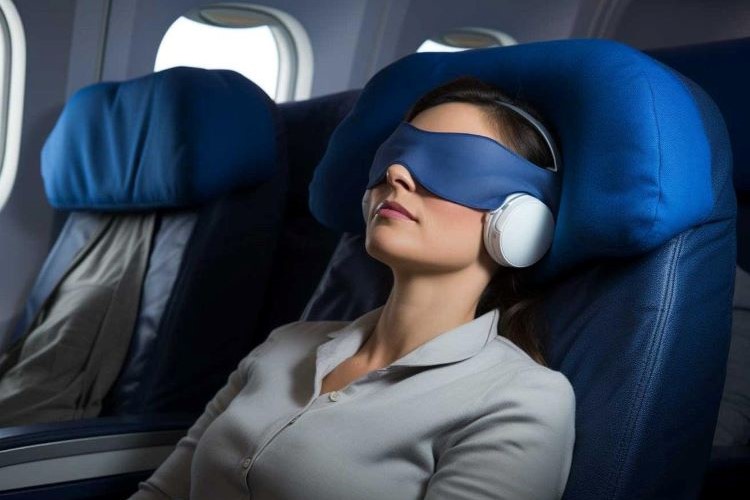
Can a Sleep Mask Really Improve Sleep on Flights? The Surprising Truth Most Travelers Discover Too Late
You close your eyes, lean back, and hope exhaustion will finally win.
But the cabin lights glow. A nearby passenger opens the window shade. Flight attendants wheel bright meal carts through the aisle. Screens flicker across the cabin. Every few minutes, another burst of light reaches your eyes.
Hours later, you arrive feeling like you never slept at all.
Many travelers blame the airline seat, turbulence, or jet lag. Yet one surprisingly simple travel accessory has become a favorite among frequent flyers, pilots, and cabin crews alike: the sleep mask.
Can something so small really make a meaningful difference on a long-haul flight?
Get the SkypropreAir Free Travel Pack
Plan smarter, choose a better seat and enjoy a more comfortable long-haul journey. Enter your details below to receive the Travel Pack.
The answer is more interesting than most passengers realize.
Why Sleeping on an Airplane Is So Much Harder Than Sleeping at Home
Your body was designed to sleep in darkness.
When light reaches your eyes—even through closed eyelids—it signals your brain to remain alert. This suppresses melatonin, the hormone responsible for helping you fall asleep.
Unfortunately, aircraft cabins are filled with interruptions:
-
Reading lights
-
Bright entertainment screens
-
Window shades left open
-
Meal service lighting
-
Sunrise during eastbound flights
-
Passengers walking through the cabin
Even if you’re physically tired, your brain keeps receiving signals that it’s daytime.
That is one of the biggest reasons so many passengers struggle to sleep despite feeling exhausted.
Planning a long-haul trip? Finding a flight that matches your preferred departure time can make sleeping onboard much easier. Compare flight schedules and fares with Aviasales before booking to give yourself the best chance of arriving well-rested.
The Hidden Science Behind a Sleep Mask
A quality sleep mask doesn’t magically make you fall asleep.
Instead, it removes one of the biggest obstacles preventing your body from relaxing.
By blocking light, a sleep mask allows your brain to produce melatonin more naturally.
This creates conditions that make sleep easier.
Think of it this way:
A sleep mask doesn’t force sleep.
It simply gives your brain permission to begin it.
That difference explains why many experienced travelers refuse to board a long-haul flight without one.
Darkness Does More Than Help You Fall Asleep
Many travelers believe sleep masks are only useful when trying to drift off.
Actually, they can also improve sleep quality once you’re already asleep.
Every time light enters the cabin, your brain partially reacts—even if you don’t fully wake up.
These “micro-awakenings” reduce the amount of deep restorative sleep you receive.
Blocking those light interruptions helps maintain longer periods of uninterrupted rest.
That’s especially valuable during flights lasting eight hours or more.
Why Frequent Flyers Swear by Them
Experienced travelers eventually learn something casual passengers often overlook.
Comfort is cumulative.
No single accessory transforms a terrible flight.
Instead, several small improvements combine to produce a noticeably better experience.
A good sleep mask works best alongside:
-
A supportive travel pillow
-
Noise-cancelling headphones or earplugs
-
Comfortable layered clothing
-
Proper hydration
-
Strategic seat selection
Together, these simple choices dramatically increase the chances of arriving rested.
Not Every Sleep Mask Is Actually Good
This surprises many first-time buyers.
Some inexpensive sleep masks can actually make sleep worse.
Common problems include:
Too Tight
Excessive pressure around the eyes can become uncomfortable after only an hour.
Poor Light Blocking
Cheap masks often allow light to leak around the nose.
Those small gaps can be enough to disturb sensitive sleepers.
Rough Materials
Synthetic fabrics may trap heat, irritate skin, or become uncomfortable during long flights.
Pressing Against Eyelashes
Flat masks push directly against closed eyelids, which many people find surprisingly distracting.
Quality sleep masks use contoured designs that create space around the eyes while maintaining complete darkness.
Memory Foam vs Silk vs Cotton
Choosing the right material matters more than most travelers expect.
Memory Foam
Excellent at blocking light.
Comfortable for long-haul travel.
Maintains its shape well.
Silk
Exceptionally soft.
Gentle on sensitive skin.
Helps reduce facial friction and feels cooler during overnight flights.
Cotton
Breathable and affordable.
Comfortable for shorter journeys but sometimes less effective at completely blocking light.
There isn’t one perfect material.
The best choice depends on your personal comfort preferences.
Can a Sleep Mask Actually Reduce Jet Lag?
Not directly.
A sleep mask doesn’t eliminate jet lag.
However, it can reduce one of its biggest causes: sleep deprivation during the flight.
Passengers who manage to sleep well often arrive feeling:
-
Less fatigued
-
More alert
-
Better able to adjust to local time
-
Less mentally exhausted
Jet lag is influenced by many factors, including time zone changes and your body clock.
But getting meaningful rest onboard gives your body a much stronger starting point.
Even with better sleep, unexpected travel disruptions can happen. Travel insurance can help protect you against medical emergencies, trip delays, and lost baggage. Compare SafetyWing travel insurance before your next international journey for added peace of mind.
When Should You Put It On?
Many travelers wait until they feel sleepy.
That may be too late.
Experienced flyers often put on their sleep mask immediately after:
-
Meal service finishes
-
Cabin lights dim
-
They have used the restroom
-
They have adjusted their seat
Doing this signals to both your brain—and fellow passengers—that you’re entering sleep mode.
It also reduces unnecessary interruptions.
The Biggest Mistake Travelers Make
Many people buy the cheapest sleep mask available at the airport.
After one uncomfortable flight, they assume sleep masks simply don’t work.
In reality, they’re often judging poor design rather than the concept itself.
A well-designed mask should feel almost invisible after a few minutes.
If you’re constantly adjusting it, it’s probably the wrong mask.
Should Every Passenger Use One?
Not necessarily.
Some travelers can sleep almost anywhere.
Others remain awake even in complete darkness.
But for most passengers—especially those flying overnight—a quality sleep mask offers one of the highest comfort improvements per dollar spent.
Unlike expensive upgrades to Premium Economy or Business Class, a good sleep mask costs relatively little yet can noticeably improve the overall travel experience.
That’s one reason it consistently appears on packing lists from experienced travelers and travel experts.
If you’re still booking flights based only on price, you may be missing better overnight schedules. Search Aviasales to compare departure times, aircraft types, and fares so you can choose flights that make sleeping easier.
Small Accessory, Surprisingly Big Difference
A sleep mask won’t eliminate turbulence
It won’t create more legroom.
It won’t silence a crying baby.
It won’t stop seat recline arguments.
But it does solve one very real problem that affects nearly every passenger: unwanted light.
Sometimes the biggest improvements to air travel don’t come from changing your seat.
They come from changing the conditions your body needs to rest.
For many long-haul travelers, that simple piece of fabric becomes the difference between arriving exhausted—and arriving ready to enjoy the journey ahead.
Whether you’re flying for business or leisure, combining smart flight choices with the right travel gear and reliable travel insurance can make every journey more comfortable. Before your next trip, compare flights with Aviasales and protect your adventure with SafetyWing.
Suggested FAQs
1. Is a sleep mask better than closing the window shade?
Yes. Closing the window shade helps darken the cabin, but a sleep mask blocks light from overhead reading lamps, entertainment screens, aisle activity, and any remaining light leaks, creating a more consistent dark environment for sleep.
2. Can I wear a sleep mask with noise-cancelling headphones?
Absolutely. Many experienced travelers combine a comfortable sleep mask with noise-cancelling headphones or earplugs to reduce both light and noise, creating a much more restful environment during long flights.
3. What type of sleep mask is best for long-haul flights?
Look for a contoured mask made from soft materials such as memory foam or silk. It should completely block light without pressing against your eyes and have an adjustable strap for a secure but comfortable fit.