
Why Most Passengers Ignore Emergency Exit Instructions
The 90 Seconds That Could Decide Everything
A passenger settles into seat 24A. The aircraft door closes. The engines begin their familiar hum. Outside the window, airport lights blur into the evening darkness.
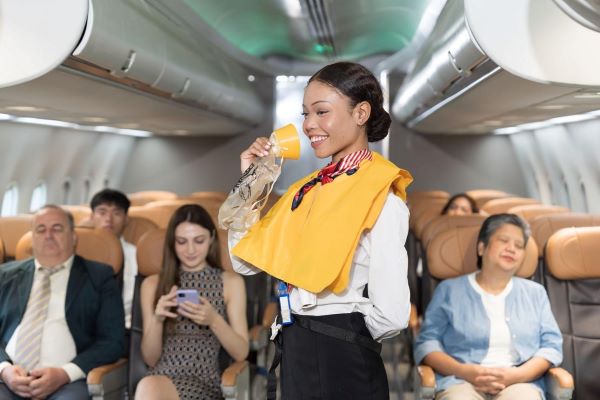
Then a flight attendant steps into the aisle and begins the safety demonstration.
A few passengers watch.
Most don’t.
Some scroll through social media. Others send last-minute messages. A few put on headphones and stare out the window.
Get the SkypropreAir Free Travel Pack
Plan smarter, choose a better seat and enjoy a more comfortable long-haul journey. Enter your details below to receive the Travel Pack.
Within minutes, information that could potentially save lives is ignored by the very people it was designed to protect.
The unsettling reality is that most passengers pay little attention to emergency exit instructions.
Why?
The answer reveals something fascinating about human psychology—and something potentially dangerous.
Commercial aviation is extraordinarily safe. Yet airlines continue investing time and resources into safety demonstrations because they understand one simple truth: emergencies are rare, but preparation matters.
Before your next flight, you may also enjoy reading What Pilots Know About Turbulence That Most Passengers Don’t, where we explore another area passengers frequently misunderstand.
The Dangerous Belief That Emergencies Happen to Other People
Human beings are naturally optimistic.
Most people assume bad things happen elsewhere.
When passengers board a plane, they’re thinking about vacations, business meetings, weddings, family reunions, or returning home.
An emergency isn’t part of the mental picture.
Psychologists call this optimism bias. We tend to believe we’re less likely than others to experience negative events.
As a result, safety briefings often feel irrelevant.
Passengers unconsciously tell themselves:
“Nothing happened on my last flight.”
“Flying is safe.”
“I’ve heard this before.”
Ironically, aviation’s incredible safety record may be one reason so many travelers ignore safety instructions.
The safer flying becomes, the less attention people pay.
Travel Smarter
Planning your next journey? Compare flight prices and routes before booking through SkypropreAir’s recommended travel partners. A few minutes of research can save both money and stress on long-haul trips.
When Familiarity Becomes Dangerous
Frequent flyers often believe they know everything already.
They’ve flown dozens—or even hundreds—of times.
The safety briefing feels repetitive.
Yet every aircraft is different.
The nearest emergency exit may not be where it was on your previous flight.
The location of safety equipment can vary.
Aircraft layouts differ significantly between airlines and aircraft types.
Passengers often assume knowledge they don’t actually possess.
In normal conditions that may not matter.
In an emergency, it could.
The Smartphone Has Become the Biggest Safety Briefing Competitor
Today’s passengers board with an entire digital universe in their hands.
Emails.
Text messages.
Videos.
Social media notifications.
Work deadlines.
Family conversations.
The moment people sit down, their attention is captured.
When the safety demonstration begins, many are physically onboard but mentally somewhere else.
Modern technology has shortened attention spans and increased competition for focus.
Unfortunately, emergency instructions rarely win that battle.
The result is a cabin filled with distracted passengers.
If you enjoy aviation psychology, you’ll also find Why Even Frequent Flyers Get Nervous During Severe Turbulence fascinating. Both topics reveal how the human brain responds to perceived risk.
The Brain Avoids Thinking About Scary Things
Emergency briefings force passengers to imagine uncomfortable situations.
Smoke.
Fire.
Evacuation.
Water landings.
Rapid decompression.
Most people instinctively avoid such thoughts.
The brain prefers comfort.
When faced with unpleasant possibilities, many individuals disengage rather than engage.
It’s a defense mechanism.
Listening carefully requires imagining scenarios we’d rather never experience.
So many passengers simply tune out.
Ironically, the information that could help during an emergency is often ignored because it briefly creates anxiety.
Why Preparation Beats Panic
Aviation experts understand something crucial about human behavior.
During emergencies, people rarely perform at their best.
Instead, they fall back on what they already know.
Passengers who have identified exits beforehand are more likely to react quickly.
Passengers who understand evacuation procedures are less likely to freeze.
Passengers who listened may save valuable seconds.
And in aviation emergencies, seconds matter enormously.
Aircraft certification standards require full evacuation within 90 seconds.
Ninety seconds sounds long.
It isn’t.
Those who want a deeper understanding of emergency procedures should read What Really Happens During an Airline Emergency Evacuation, one of our most popular safety features.
Protect Your Journey
Unexpected disruptions can occur even during routine travel. Comprehensive travel insurance can provide protection against delays, cancellations, medical emergencies, and lost baggage during international trips.
The Exit Behind You Might Be the Most Important Thing You Never Noticed
One of the most important instructions in every safety briefing is also one of the most ignored.
Flight attendants advise passengers to identify the nearest exit.
They also remind passengers that the closest exit may be behind them.
Few people actually check.
That seems harmless until visibility disappears.
Imagine a cabin filled with smoke.
Imagine darkness.
Imagine confusion.
Finding an exit suddenly becomes much harder than people assume.
Passengers who already know where their exits are located have a powerful advantage.
The knowledge takes only seconds to acquire.
Yet it could become invaluable.
For more insight into aircraft safety equipment, read The Safety Jacket Under Your Seat Most Passengers Never Think About.
The Bystander Effect at 35,000 Feet
Another fascinating psychological factor influences passenger behavior.
It’s called the bystander effect.
When surrounded by hundreds of other people, individuals often assume someone else will know what to do.
Passengers trust flight attendants.
And rightly so.
Cabin crew members are highly trained professionals.
But during a rapidly evolving emergency, flight attendants cannot personally guide every passenger at every moment.
Prepared passengers become part of the solution.
Unprepared passengers can become part of the problem.
Why Flight Attendants Keep Repeating The Same Instructions
Many passengers joke about hearing the same announcements over and over.
But repetition isn’t accidental.
It’s deliberate.
Safety experts know people forget information quickly.
Repeated exposure increases retention.
That’s why airlines use announcements, demonstrations, videos, safety cards, signs, and crew instructions.
Every repetition increases the chances that critical information will be remembered when needed.
You may also enjoy reading The Hidden Reason Flight Attendants Ask Passengers to Review Emergency Exits, which explores the science behind passenger preparedness.
Travel Comfort Recommendation
Long-haul travelers often find that quality noise-cancelling headphones reduce fatigue, improve comfort, and make flights significantly more enjoyable. Explore SkypropreAir’s recommended travel gear for your next journey.
The Real Purpose of Every Safety Demonstration
Many travelers assume safety briefings exist simply because regulators require them.
That’s only part of the story.
The real purpose is preparation.
Passengers don’t need extensive aviation knowledge.
They simply need enough familiarity to react effectively if something unexpected occurs.
The briefing is a condensed survival guide.
A few minutes of attention can create a mental roadmap that becomes invaluable during stress.
For a broader look at aviation safety, read The Hidden Reason Airplanes Are Safer Than Most People Realize.
A Few Minutes That Could Change Everything
The next time you board a plane, look around the cabin.
Notice how many passengers are looking at screens.
Notice how few identify their nearest exits.
Notice how quickly attention drifts away from the safety briefing.
Then remember something important.
Commercial aviation remains one of the safest forms of transportation ever created.
But safety is not achieved through technology alone.
It also depends on informed passengers making smart decisions.
Emergency exit instructions may seem repetitive.
They may seem boring.
They may seem unnecessary.
Until the moment they aren’t.
And if that moment ever arrives, those few minutes of attention could become the most important minutes of the entire flight.
Frequently Asked Questions
1. Do most passengers actually ignore airline safety demonstrations?
Research and airline surveys suggest that many passengers pay only partial attention, especially frequent flyers who believe they already know the information.
2. Why do flight attendants ask passengers to locate the nearest exit?
In smoke, darkness, or confusion, passengers can become disoriented. Knowing the nearest exit beforehand can significantly reduce evacuation time.
3. Can paying attention to safety instructions improve survival chances?
Yes. Understanding exit locations, evacuation procedures, and safety equipment can improve reaction times and reduce confusion during emergencies.
Join the Discussion
Be honest: When was the last time you fully paid attention to an airline safety briefing, and do you think most passengers would know exactly what to do if an evacuation happened today?
Share your thoughts in the comments below. Your experience may help other travelers think differently before their next flight.