
The Airline Secret Most Passengers Discover Too Late
The Flight Was Full. The Gate Closed. Then Something Strange Happened…
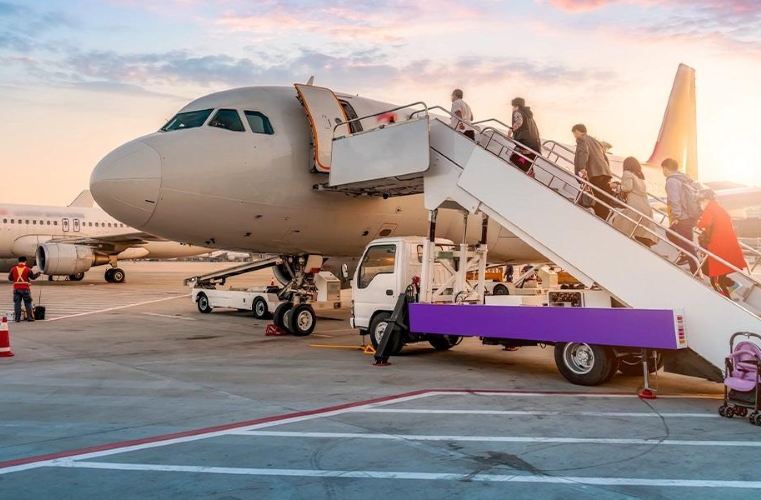
You arrive at the gate just in time.
The boarding door closes.
The aircraft pushes back.
You assume every seat is occupied.
But after takeoff, you notice something surprising.
Get the SkypropreAir Free Travel Pack
Plan smarter, choose a better seat and enjoy a more comfortable long-haul journey. Enter your details below to receive the Travel Pack.
Several seats remain empty.
How?
The flight was supposedly “completely full.”
It happens every day, yet most passengers never understand why.
The truth is that airlines don’t operate the way most travelers imagine. Behind every booking, delay, seat assignment, baggage decision, and upgrade is a sophisticated system designed to maximize revenue, keep flights operating on time, and recover quickly when something goes wrong.
The passengers who understand these systems often enjoy smoother journeys, better seats, cheaper fares, and fewer unpleasant surprises.
Everyone else usually discovers these secrets only after something goes wrong.
Airlines Don’t Sell Seats—They Sell Predictions
One of the biggest misconceptions is that airlines simply sell every seat available.
In reality, airlines use complex forecasting models that predict passenger behavior months before departure.
They estimate:
-
How many people will cancel
-
How many won’t show up
-
Which fares will sell fastest
-
Which passengers are likely to upgrade
-
How much people will pay on different dates
Every ticket sold is part of a constantly changing mathematical model.
That’s why ticket prices can change several times in one day without any obvious reason.
- Related: Read our guide on 15 Secrets Airlines Don’t Want You to Know About Cheap Tickets to understand why fares rise and fall so dramatically.
The Cheapest Ticket Is Often the Most Expensive Choice
Low fares attract attention.
Hidden restrictions create profit.
Basic Economy or Light fares frequently exclude:
-
Seat selection
-
Checked baggage
-
Flexible changes
-
Refund eligibility
-
Priority boarding
Many travelers happily purchase the cheapest fare only to spend far more adding extras later.
Sometimes the next fare class would have cost less overall.
That’s exactly what airlines expect.
Save Money Before You Book
Compare hundreds of airlines and booking sites with Aviasales before purchasing your ticket. Many travelers discover significantly cheaper fares or better flight times simply by comparing multiple providers instead of booking the first price they see.
Seat Maps Don’t Tell the Whole Story
Passengers often panic when only middle seats appear available.
But airline seat maps rarely display every available seat.
Airlines deliberately reserve seats for:
-
Elite frequent flyers
-
Families traveling together
-
Airport operations
-
Passengers with special needs
-
Last-minute aircraft balancing
Additional seats frequently appear during online check-in or even at the boarding gate.
Choosing too early isn’t always the best strategy.
- Related: You may also enjoy The Airplane Seat Mistake Almost Everyone Makes and Best Economy Seats by Aircraft Type.
Overbooking Is More Common Than Most People Realize
Many travelers assume selling more tickets than seats is a mistake.
It’s actually intentional.
Because airlines know some passengers won’t arrive, they’ll often overbook flights to avoid empty seats.
Most of the time, the predictions are accurate.
Occasionally everyone shows up.
That’s when airlines begin asking for volunteers.
Passengers who know their rights—and are flexible with their schedules—can sometimes receive generous compensation, hotel accommodation, meal vouchers, and rebooking.
Your Fare Determines More Than Your Seat
Many passengers believe everyone in Economy receives identical treatment.
Not quite.
Your fare class can influence:
-
Upgrade priority
-
Rebooking during disruptions
-
Standby eligibility
-
Loyalty point earnings
-
Refund rules
-
Change fees
Two passengers sitting side-by-side may have completely different ticket conditions.
One may change flights easily.
The other may lose the entire ticket value.
Airlines Continuously Adjust Your Flight Behind the Scenes
Long before departure, airline operations teams monitor:
-
Weather
-
Air traffic congestion
-
Crew legality
-
Aircraft maintenance
-
Fuel planning
-
Passenger connections
Even after boarding begins, these variables can change.
Sometimes aircraft swaps happen only hours before departure.
That explains why passengers occasionally lose carefully selected seats without warning.
Operational requirements almost always take priority.
Related: Read Why Flights Are Delayed Even When the Weather Looks Perfect to learn what really happens behind the scenes.
The Best Seats Aren’t Always Released First
Many travelers rush to reserve seats immediately after booking.
Ironically, some of the best seats remain unavailable.
Airlines intentionally hold back:
-
Exit rows
-
Bulkhead seats
-
Preferred economy rows
-
Extra-legroom seats
-
Operational reserve seating
These may be released:
-
During online check-in
-
At the airport
-
Shortly before boarding
Checking the seat map multiple times before departure can pay off.
- Related: See our guide to Exit Row vs Bulkhead Seats: Which Is Better?
Airlines Prioritize Connections Over Individual Flights
Imagine two passengers.
One is flying nonstop from Dublin to New York.
The other continues onward to Los Angeles, Tokyo, or Sydney.
If disruption occurs, airlines often prioritize passengers with complex international connections because missing one flight may trigger a chain of expensive rebookings across multiple airlines.
That’s one reason gate agents sometimes appear to treat passengers differently.
They’re following sophisticated operational priorities rather than personal preference.
The Cabin You See Is Constantly Being Optimized
Modern airlines collect enormous amounts of operational data.
They analyze:
-
Boarding times
-
Cabin baggage volume
-
Passenger movement
-
Meal preferences
-
Wi-Fi usage
-
Seat selection trends
-
Purchase behavior
This information helps airlines redesign cabins, adjust pricing strategies, and improve efficiency.
Every flight teaches them something about future passengers.
Flight Delays Often Begin Long Before Departure
Passengers usually blame the weather.
Sometimes weather is only part of the story.
An aircraft may already be running behind because of:
-
Earlier delays
-
Crew timing regulations
-
Late-arriving connecting passengers
-
Maintenance inspections
-
Airport congestion
-
Air traffic restrictions hundreds of miles away
The delay announced at your gate may actually have started several flights earlier.
Aircraft rarely operate just one route each day.
- Related: Read Why Airplane Turbulence Feels Worse in Some Parts of the Aircraft to understand another common misconception about flying.
Loyalty Programs Are About Much More Than Free Flights
Many people assume airline loyalty schemes exist simply to reward frequent travelers.
In reality, they are among the airline industry’s most valuable businesses.
Loyalty programs encourage passengers to:
-
Book directly
-
Spend more consistently
-
Use airline credit cards
-
Purchase upgrades
-
Remain loyal even when competitors offer cheaper fares
For regular travelers, however, understanding these programs can unlock real value through priority services, lounge access, baggage allowances, and occasional upgrades.
Protect Yourself When Things Go Wrong
Even experienced travelers can’t prevent every delay, cancellation, lost bag, or unexpected medical emergency.
That’s why seasoned international travelers often purchase travel insurance before departure.
A comprehensive policy can help cover:
-
Trip cancellations
-
Emergency medical treatment abroad
-
Lost or delayed baggage
-
Flight interruptions
-
Emergency evacuation
Travel Smarter with SafetyWing
Whether you’re taking a short holiday or traveling long-term, SafetyWing provides flexible travel medical insurance designed for modern travelers and digital nomads.
The Real Secret Is That Knowledge Changes Everything
Experienced travelers rarely rely on luck.
They understand how airlines make decisions.
They know when to check in.
They understand fare rules.
They monitor seat maps.
They travel with realistic expectations.
Most importantly, they know that airlines operate highly sophisticated businesses balancing safety, punctuality, customer satisfaction, and profitability—all at the same time.
The passengers who understand those priorities are usually the ones who experience the smoothest journeys.
The airline industry isn’t hiding these secrets.
Most travelers simply never think to look until they’re standing at the gate wondering why their flight, seat, or ticket isn’t working the way they expected.
And by then, it’s often too late.
Final Thoughts
Flying today is far more complex than simply buying a ticket and boarding an aircraft. Every reservation is influenced by sophisticated algorithms, operational planning, and commercial strategy that most passengers never see.
Understanding how airlines manage pricing, seating, overbooking, and disruptions won’t eliminate every travel problem—but it can help you make better decisions, avoid costly mistakes, and travel with far greater confidence.
The next time you book a flight, remember: the smartest travelers aren’t necessarily the ones who spend the most. They’re the ones who understand the system before it surprises them.
If you’ve enjoyed this article, explore more expert travel insights in our guides to The World’s 25 Most Comfortable Airports (2026 Ranking), The Most Expensive Mistake You Can Make at the Airport, Why Pan Am Disappeared, and 12 Travel Essentials That Reduce Flight Fatigue.
Frequently Asked Questions
Why do airlines overbook flights if they know there aren’t enough seats?
Airlines use historical data showing that a certain percentage of passengers will cancel or fail to show up. Overbooking helps ensure flights depart as full as possible, though passengers may be entitled to compensation if too many travelers arrive.
When is the best time to choose an airline seat?
It’s worth checking the seat map multiple times—when booking, during online check-in, and again just before departure. Airlines often release additional preferred seats closer to the flight.
Why do airline ticket prices change so frequently?
Airlines use dynamic pricing systems that constantly adjust fares based on demand, remaining seat inventory, booking trends, seasonality, and competitor pricing. Two people booking the same flight just hours apart may pay very different prices.
Encourage Reader Engagement
What airline “secret” did you discover the hard way? Was it an unexpected baggage fee, an overbooked flight, a surprise seat change, or something else? Share your experience in the comments—your story could help another traveler avoid making the same mistake.