
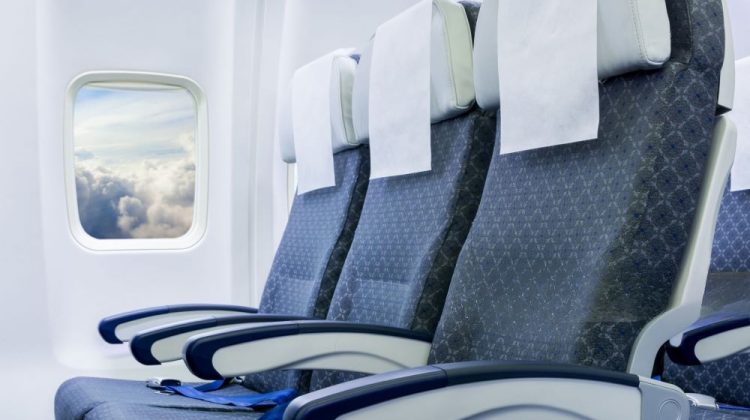
The Hidden Airplane Seats Flight Attendants Secretly Prefer (And Why You Should Care)
Most Passengers Get This Wrong
Most travelers pick seats based on what’s left at check-in.
Flight attendants don’t.
After thousands of hours in the air, cabin crew quietly learn which seats actually make a flight smoother, quieter, and far less exhausting. And the truth is—their favorite seats are rarely the ones airlines push hardest.
If you’ve ever landed feeling drained, your seat choice may be the real reason.
The Seat Flight Attendants Secretly Prefer
Across multiple crew insights, one pattern stands out:
Get the SkypropreAir Free Travel Pack
Plan smarter, choose a better seat and enjoy a more comfortable long-haul journey. Enter your details below to receive the Travel Pack.
Window seats over the wing (especially in exit rows or the front half of economy)
These seats consistently offer the best balance of comfort and practicality.
Why these seats win:
-
Less turbulence (closer to the plane’s center of gravity)
-
Quieter cabin experience than the rear
-
Better sleep position (you can lean against the wall)
-
Fewer disturbances from passengers moving around
-
Faster exit after landing
This is exactly why frequent flyers featured in Why Frequent Flyers Never Sit Near This Part of the Plane consistently avoid unstable sections.
If you’re booking your next flight, it’s worth checking prices early on platforms like Aviasales—you’ll often find these “sweet spot” seats still available before they’re gone.
Why the Back of the Plane Is Often Avoided
Many travelers assume the back is quieter or less crowded. In reality, it’s often the opposite.
Flight attendants tend to avoid rear sections because of:
-
Constant foot traffic near lavatories
-
Noise from galleys and crew activity
-
Bright lights during night flights
-
Passengers queuing beside your seat
-
Slightly stronger turbulence sensation
These same issues are explored in detail in Seats You Should Never Book on a Red-Eye and The Worst Rows on a Plane Ranked, where rear-cabin discomfort consistently shows up as a major problem.
The “Over-the-Wing” Comfort Advantage
One of the biggest insider secrets is simple:
Where you sit matters more than which airline you choose.
Seats over the wing benefit from the aircraft’s natural balance point. That means:
-
Less noticeable movement
-
Reduced “drop” feeling during turbulence
-
More stable overall ride
If you’re a nervous flyer, this is the same principle behind recommendations in Best Aircraft for Nervous Flyers (2026)—stability matters more than anything else.
Why Window Seats Almost Always Win
Flight attendants overwhelmingly prefer window seats when traveling off-duty.
Here’s why:
-
You control your own space
-
No need to get up for others
-
A natural surface to lean on and sleep
-
Less contact with carts and passing passengers
-
A stronger sense of privacy
This is also why many comfort guides like How To Fly Comfortably Without Business Class emphasize choosing control over convenience.
Seats Cabin Crew Quietly Avoid
If you want to fly smarter, avoid what flight attendants avoid:
-
Last rows of the aircraft
-
Seats beside lavatories
-
Rows directly next to galleys
-
Middle seats in high-traffic sections
-
Far rear seats on long-haul flights
These patterns align closely with insights shared in The Long-Haul Comfort Mistake Almost Everyone Makes, where seat location—not price—is the biggest comfort factor.
A Smarter Way to Book for Comfort
Most people focus only on price.
Frequent flyers and flight attendants focus on experience.
When booking, compare routes and seat maps early using Aviasales to increase your chances of getting a better-positioned seat.
And if you’re planning a long-haul trip, consider travel coverage from SafetyWing—especially useful for delays, missed connections, or unexpected disruptions that can affect your comfort just as much as your seat.
Final Thought
Flight attendants don’t chase luxury—they chase less stress.
And that’s the real insight.
The next time you book a flight, don’t just ask:
“What’s the cheapest seat?”
Ask instead:
“Where would a flight attendant sit?”
That one shift in thinking can completely change how you experience flying.
FAQs
What part of the plane feels the least turbulence?
Seats over the wing tend to feel the most stable because they’re closest to the aircraft’s center of gravity. This is also why guides like Best Aircraft for Nervous Flyers (2026) highlight wing positioning.
Are window seats always better than aisle seats?
For comfort and sleep, yes. Window seats reduce interruptions and give you a surface to lean on—something reinforced in How To Fly Comfortably Without Business Class.
Are exit-row seats worth it?
Often yes for legroom, but they may have limited recline or stricter safety requirements depending on the aircraft. You can see similar trade-offs discussed in The Worst Rows on a Plane Ranked.