
Why Airplane Air Makes You Feel So Dry
You Board Feeling Fine. Then the Flight Begins to Steal Something You Can’t See.
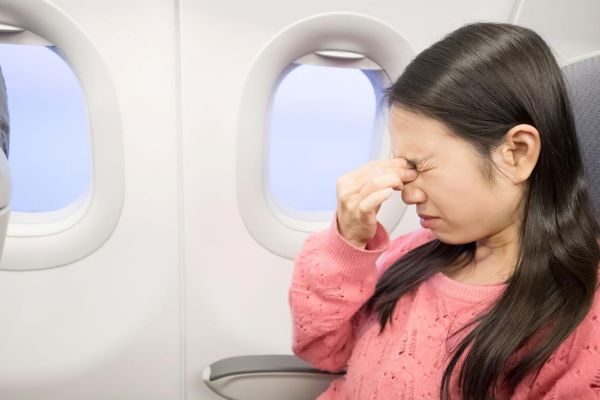
The woman in seat 24A thought she was coming down with a cold.
Three hours into her overnight flight, her throat felt scratchy. Her lips were cracking. Her eyes burned every time she blinked.
By the time the aircraft crossed the Atlantic, she felt exhausted, dehydrated, and strangely uncomfortable.
Yet she hadn’t done anything unusual.
She hadn’t exercised.
Get the SkypropreAir Free Travel Pack
Plan smarter, choose a better seat and enjoy a more comfortable long-haul journey. Enter your details below to receive the Travel Pack.
She hadn’t spent hours in the sun.
She had simply sat in an airline seat.
What she didn’t realize was that her body was fighting an invisible battle against one of the driest environments most humans will ever experience.
Every day, millions of passengers step aboard aircraft expecting turbulence, delays, or jet lag.
Few expect the cabin air itself to become the source of their discomfort.
Yet by the time many travelers reach their destination, airplane air has quietly affected their skin, eyes, throat, energy levels, and overall wellbeing.
And the surprising truth is that the air inside a modern aircraft can sometimes be drier than a desert.
Find Better Flights Before You Fly
The aircraft you fly on can significantly affect your comfort levels. Newer aircraft such as the Boeing 787 Dreamliner and Airbus A350 generally offer more passenger-friendly cabin environments.
Compare flight options and aircraft types before booking through Aviasales and choose the most comfortable route for your next journey.
The Invisible Desert Above the Clouds
Commercial aircraft typically cruise between 30,000 and 40,000 feet.
At those altitudes, the atmosphere contains very little moisture.
When aircraft pull in outside air and process it for cabin use, the resulting humidity levels often fall between 10% and 20%.
For comparison:
-
Most homes maintain humidity between 30% and 50%.
-
Offices often remain around 40%.
-
Many deserts average around 20%.
In other words, the environment surrounding you inside an aircraft cabin can be as dry as some of the harshest climates on Earth.
Your body notices immediately—even if you don’t.
Related Reading: Why Pilots Rarely Worry About Turbulence
Your Skin Is Quietly Losing Moisture
Human skin constantly releases moisture.
Normally, humidity in the surrounding environment slows down the evaporation process.
Inside an aircraft cabin, however, moisture escapes much faster.
Hour after hour, your skin loses water.
The result can include:
-
Tight skin
-
Chapped lips
-
Dry hands
-
Facial irritation
-
Increased skin sensitivity
Many travelers step off long-haul flights feeling far less refreshed than when they boarded.
The culprit is often not sleep deprivation.
It’s dehydration caused by dry cabin air.
Why Your Eyes Start Burning
Your eyes depend on a thin tear film to stay comfortable and protected.
Dry cabin air causes this protective layer to evaporate more quickly.
The symptoms are familiar to many travelers:
-
Burning eyes
-
Redness
-
Itching
-
Blurred vision
-
Eye fatigue
Passengers wearing contact lenses often experience the greatest discomfort.
Many assume the problem is tiredness.
In reality, their eyes are literally drying out.
Related Reading: Airbus A350 vs Boeing 787: Which Aircraft Is More Comfortable?
The Scratchy Throat Mystery
Have you ever landed feeling like you’re about to catch a cold?
You are not alone.
Many passengers experience:
-
Dry throat
-
Hoarse voice
-
Nasal irritation
-
Constant thirst
The reason is surprisingly simple.
The tissues lining your nose and throat need moisture to function properly.
Hours spent breathing extremely dry air can leave those tissues irritated and uncomfortable.
What feels like illness may simply be your body’s response to cabin conditions.
Travel Protection for Long-Haul Journeys
Long-haul travel comes with more risks than many passengers realize.
Flight delays, missed connections, lost baggage, unexpected medical issues, and travel disruptions can happen anywhere in the world.
Many frequent international travelers use SafetyWing Travel Insurance because it offers flexible coverage designed specifically for global travelers and digital nomads.
Before your next trip, consider whether your current travel insurance would adequately protect you abroad.
The Dehydration Effect Nobody Notices
Perhaps the most surprising consequence of airplane air is mild dehydration.
Your body loses moisture every time you breathe.
Inside a low-humidity environment, that loss increases significantly.
The symptoms often appear gradually:
-
Fatigue
-
Headaches
-
Difficulty concentrating
-
Brain fog
-
Irritability
Many passengers blame jet lag.
In reality, dehydration may be contributing more than they realize.
The longer the flight, the more noticeable the effects can become.
Why New Aircraft Feel Better
Aircraft manufacturers have spent years trying to improve passenger comfort.
New-generation aircraft such as the Boeing 787 Dreamliner and Airbus A350 can maintain slightly higher humidity levels and more comfortable cabin pressure than many older aircraft.
Passengers frequently report:
-
Better sleep
-
Less fatigue
-
Fewer headaches
-
Reduced dryness
The differences may seem small on paper.
After a ten-hour flight, they can feel significant.
Related Reading:
The Mistake Many Passengers Make
When passengers begin feeling dry, they often reach for coffee, wine, or beer.
Unfortunately, this can worsen the situation.
Alcohol contributes to dehydration.
Excessive caffeine can have a similar effect if water intake is neglected.
Combined with dry cabin air, these beverages can amplify fatigue and discomfort.
One of the simplest ways to improve your flight experience is also one of the cheapest:
Drink more water.
How Frequent Flyers Stay Comfortable
Experienced travelers rarely leave comfort to chance.
Many follow a simple routine before and during every flight:
-
Drink water regularly.
-
Apply moisturizer before boarding.
-
Use lip balm early.
-
Carry lubricating eye drops.
-
Limit alcohol consumption.
-
Prioritize sleep.
These small actions can dramatically improve comfort during flights lasting six hours or more.
Related Reading: The Travel Pillow Mistake Most Passengers Make
Booking Tip Before Your Next Flight
Not all flights are created equal.
Aircraft type, departure time, route, and airline can all influence how comfortable you’ll feel during your journey.
Before booking your next trip, compare fares and aircraft options through Aviasales to find the combination of price and comfort that works best for you.
The Truth About Airplane Air
Airplane air is often misunderstood.
The good news is that modern aircraft air is heavily filtered and remarkably clean.
The real problem isn’t cleanliness.
It’s dryness.
Invisible.
Persistent.
Unavoidable.
For hours at a time, your body exists inside an environment that resembles a high-altitude desert.
Your skin feels it.
Your eyes feel it.
Your throat feels it.
Your energy levels feel it.
Understanding this hidden challenge can completely change how you prepare for your next flight.
The next time you feel exhausted, thirsty, or unusually uncomfortable during a journey, remember:
It may not be jet lag.
It may simply be the invisible desert traveling with you at 35,000 feet.
FAQs
1. Why is airplane air so dry?
Aircraft pull in outside air from high altitudes where humidity levels are extremely low. Even after processing, cabin air contains far less moisture than typical indoor environments.
2. Can airplane air cause dehydration?
Yes. Low cabin humidity increases moisture loss through breathing and skin evaporation, which can contribute to mild dehydration during long flights.
3. Which aircraft offer the most comfortable cabin environments?
Many travelers report greater comfort on newer aircraft such as the Boeing 787 Dreamliner and Airbus A350 because they maintain improved cabin pressure and humidity levels compared with many older aircraft.
Join the Conversation
What affects you most during a long flight: dry eyes, chapped lips, headaches, fatigue, or something else? Have you discovered any personal tricks that make flying more comfortable? Share your experience in the comments below.