
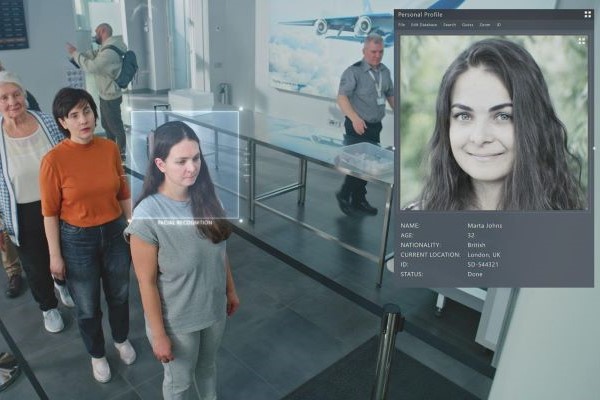
You’re Being Watched at the Airport Now” — Why Biometric Airline Tech Is Dividing Passengers
The moment flying stopped feeling anonymous
You walk through the airport like you always have — but something feels different.
No boarding pass. No passport in hand. Just a camera… and a quiet beep as a gate opens.
For some travelers, it feels like magic. For others, it feels like a line has been crossed.
Biometric airline technology — especially facial recognition — is no longer experimental. It’s here, expanding fast across major airports. And while airlines are selling it as the future of seamless travel, passengers are increasingly split on one simple question:
Is this convenience… or constant surveillance?
Get the SkypropreAir Free Travel Pack
Plan smarter, choose a better seat and enjoy a more comfortable long-haul journey. Enter your details below to receive the Travel Pack.
Why airlines are pushing biometrics so hard
From an airline and airport perspective, the appeal is obvious:
-
Faster check-in and boarding
-
Shorter security queues
-
Fewer human errors in identity checks
-
Better handling of rising passenger volumes
For frequent flyers, this can feel like a breakthrough. The same way mobile boarding passes once replaced paper tickets, biometrics promise a “walk-through airport” experience.
If you’ve noticed how flying already feels more rushed and impersonal, you’ll recognize this shift from our analysis:
→ “The Quiet Death Of Comfortable Flying”
And in pure efficiency terms, biometrics deliver.
But travel has never been only about efficiency.
Why some passengers are pushing back
Here’s where the tension starts.
Unlike a password or boarding pass, your face isn’t something you can replace if data is misused or leaked.
That’s why critics are raising serious concerns:
-
Who stores your biometric data — and for how long?
-
Can it be shared across agencies or countries?
-
Are passengers truly giving informed consent?
-
What happens if systems make mistakes?
For many travelers, the issue isn’t speed — it’s control.
- This ties directly into a broader trend we’ve been tracking:
→ “How Much Data Should Airlines Be Allowed to Collect About Passengers?”
Even passengers who enjoy faster boarding are starting to ask deeper questions about what they’re giving up in return.
The real issue isn’t technology — it’s trust
Airports argue that biometric data is often deleted quickly and systems are regulated.
But here’s the problem:
Most passengers don’t fully understand how it works.
And when people don’t understand something — especially something that involves their identity — trust becomes fragile.
That’s why some countries and regulators have already slowed or challenged biometric rollouts.
Because once this system becomes standard, opting out may become harder — not easier.
What this means for your next flight
Right now, most biometric systems are still optional.
But the direction is clear.
Airports are moving toward a future where:
-
Your face becomes your boarding pass
-
Your movement through the airport is fully tracked
-
Physical documents become secondary
For some travelers, that’s progress.
For others, it’s a version of travel that feels less human.
And if you’ve ever wondered why flying already feels mentally draining, this connects with another overlooked factor:
→ “Why Airplane Cabins Make Some People Feel Anxious”
Because comfort isn’t just about legroom.
It’s about how you feel in the environment.
The SkypropreAir perspective
Biometric technology isn’t inherently good or bad.
But its success depends on one thing airlines often underestimate:
Passenger trust is part of the travel experience.
Speeding up the airport journey means little if travelers feel uneasy the entire time.
The smartest airlines won’t just adopt biometrics.
They’ll make passengers feel:
-
In control
-
Fully informed
-
Able to opt out without friction
Because in the end, the future of flying isn’t just touchless.
It still needs to feel human.
Smart travel tip (that still matters more than biometrics)
Even as airports become more automated, your comfort still comes down to planning.
If you’re booking upcoming flights, finding routes with less congestion and better timing still makes a bigger difference than any tech upgrade.
→ Use Aviasales to compare smarter flight options and avoid peak airport chaos
→ Protect your trip with SafetyWing — especially as travel becomes more system-dependent and unpredictable
Suggested FAQs
1. Can you refuse biometric scanning at airports?
Yes — in many airports, including U.S. programs, you can request manual ID checks instead. However, availability may vary depending on location and airline.
2. Is biometric data stored permanently?
Most authorities say images are deleted shortly after verification, but policies differ, and transparency remains a concern for privacy advocates.
3. Will biometric technology become mandatory for flying?
Not yet — but the trend suggests it could become the default in the future, especially at major international airports.