
The Quiet Death Of Comfortable Flying (And Why You Feel It More Than Ever)
The moment flying stopped feeling comfortable
There was a time when flying felt like part of the journey — not something to endure.
Today, even seasoned travelers quietly admit the same thing: flying feels tighter, louder, more draining… and less human.
This isn’t nostalgia talking. It’s a measurable shift.
Air travel hasn’t suddenly become uncomfortable — it has been gradually redesigned for efficiency, and passengers are only now fully feeling the consequences.
Get the SkypropreAir Free Travel Pack
Plan smarter, choose a better seat and enjoy a more comfortable long-haul journey. Enter your details below to receive the Travel Pack.
The invisible shift: from comfort to capacity
Airlines didn’t wake up one day and decide to make flying uncomfortable. What happened instead is far more subtle — and more strategic.
-
More seats were added to cabins
-
Seat pitch (legroom) was reduced
-
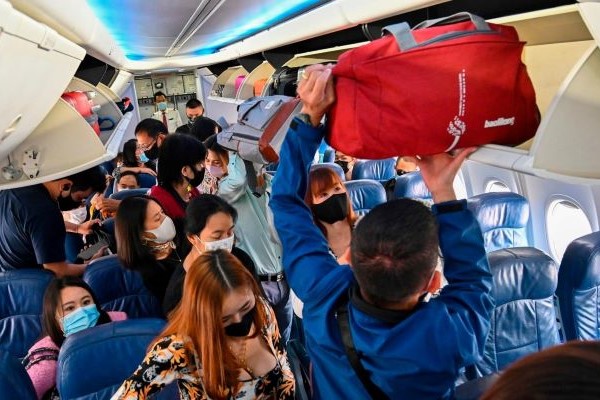
Flights began operating closer to full capacity
-
“Basic economy” stripped away previously standard comforts
The result? More people, less space, higher fatigue.
This ties directly into a broader trend we explored in
→ Why Flying Suddenly Feels More Exhausting
Because what you’re feeling isn’t just discomfort — it’s cabin fatigue engineered over time.
Comfort is no longer included — it’s sold back to you
Here’s the uncomfortable truth most airlines won’t say out loud:
Discomfort has become part of the business model.
Modern cabins are no longer just seating layouts — they are revenue systems.
-
Tight standard seats → encourage upgrades
-
Full flights → increase urgency
-
Limited overhead space → push priority boarding
That’s why premium economy keeps expanding while standard economy feels more compressed.
We broke this down further in
→ Premium Economy Is A Trap
Because what looks like an upgrade is often just buying back lost comfort.
The psychological toll: it’s not just your body
Most people think airplane discomfort is physical — legroom, seat width, recline.
But the real issue is cumulative micro-stress:
-
Crowded boarding gates
-
Overhead bin competition
-
Constant noise and interruptions
-
Limited personal space
-
Dry cabin air
-
Screen fatigue
These small stressors stack up.
Which is why even a 2-hour flight can leave you feeling unusually drained.
This connects directly to
→ The Hidden Science Behind Cabin Fatigue
Because modern flying isn’t just physically tighter — it’s mentally more intense.
The paradox: flying is better… and worse
Here’s where it gets interesting.
Flying today is technologically incredible:
-
Quieter cabins (especially on aircraft like the Boeing 787)
-
Better air filtration
-
Advanced inflight entertainment
-
Increasing onboard Wi-Fi
And yet…
Passengers feel worse.
Why?
Because technology improved — but personal space shrank.
And humans notice space more than screens.
Why airlines won’t reverse this trend (anytime soon)
It comes down to a simple equation:
Lower ticket prices + higher demand = tighter cabins
Airlines operate on thin margins. Adding even one extra row of seats can generate millions annually across a fleet.
So unless passengers are willing to pay significantly more for economy tickets…
Comfort will continue to be:
- Optional
- Tiered
- Monetized
What smart travelers are doing differently
This is where frequent flyers quietly adapt.
They don’t just “book flights” anymore — they optimize the experience:
-
Choosing flights with lower load factors
-
Selecting seats strategically (rear cabins, exit rows, quieter zones)
-
Booking at times when cabins are less full
-
Using tools to compare aircraft layouts before booking
If you’re checking flights, it’s worth using platforms like
→ Aviasales
to spot not just the cheapest options, but also better-timed flights with more space potential.
And if you’re traveling frequently or long-haul, having flexible travel coverage matters too — especially when delays, cancellations, or fatigue disrupt plans.
→ SafetyWing is a popular option many digital travelers quietly rely on for that extra layer of peace of mind.
The new reality of flying
Comfort hasn’t disappeared.
It’s just been repackaged.
-
The empty middle seat is now a luxury
-
Extra legroom is a product
-
Quiet space is a premium experience
And once you see it…
You can’t unsee it.
Final thought: this is the future of air travel
“The quiet death of comfortable flying” isn’t a dramatic collapse.
It’s a slow evolution.
One where airlines optimized everything — except how it feels to be a passenger.
The good news?
Once you understand the system, you can work around it — and still fly comfortably without paying business class prices.
Start here:
→ How To Fly Comfortably Without Business Class
FAQs
Why does flying feel more uncomfortable now than before?
Because airlines have increased seat density and reduced personal space over time, while also monetizing comfort through upgrades and add-ons.
Are airline seats actually getting smaller?
Not always in width — but legroom (seat pitch), padding, and overall cabin space have been reduced, making the experience feel tighter.
Is there a way to still fly comfortably in economy?
Yes — by choosing the right flights, seats, and timing. Small decisions (like seat location and flight load) can significantly improve comfort without upgrading.