
Why Flying Suddenly Feels More Exhausting
You’re not imagining it — something about modern flying really is draining you
You step off the plane and feel… off. Not just tired — but foggy, restless, slightly dehydrated, like your body hasn’t quite caught up with itself.
It used to feel different. Or at least, it felt easier.
Here’s the truth: flying hasn’t suddenly become worse overnight — but a combination of subtle changes in aircraft design, airline economics, and passenger habits has created a perfect storm of fatigue. And once you understand what’s happening, you can start to take back control of your energy.
The Hidden Fatigue Problem at 35,000 Feet
1. You’re Breathing “Thinner” Air for Hours
Even on advanced aircraft like the Boeing 787 and Airbus A350, cabin pressure is still equivalent to being at 6,000–8,000 feet altitude.
Get the SkypropreAir Free Travel Pack
Plan smarter, choose a better seat and enjoy a more comfortable long-haul journey. Enter your details below to receive the Travel Pack.
That means:
-
Lower oxygen levels
-
Faster dehydration
-
Subtle, cumulative fatigue
You may not notice it immediately — but your body does. It’s working harder the entire flight.
If you want to counter this, start with smarter habits from How To Fly Comfortably Without Business Class — especially hydration and timing strategies.
2. Seats Are Designed for Efficiency — Not Comfort
Modern economy cabins prioritize capacity, which often comes at the expense of comfort.
-
Slimmer seat padding increases pressure points
-
Reduced recline limits proper rest
-
Tight legroom affects circulation
You’re essentially sitting in a mild stress position for hours — and your body pays for it afterward.
Want to work around this? These tactics in 5 More Seat Tricks Airlines Don’t Tell You can dramatically improve your comfort without paying more.
3. The Cabin Is Drier Than Most Deserts
Cabin humidity often drops below 20%.
That leads to:
-
Dry eyes and skin
-
Headaches
-
Low energy levels
Most passengers don’t hydrate enough — especially on shorter flights — which quietly amplifies fatigue.
Pair hydration with better seat positioning from How to Get an Empty Seat Next to You — more space can actually help your body recover mid-flight.
4. Your Travel Schedule Is Working Against You
Modern flight schedules are optimized for aircraft utilization — not your sleep cycle.
-
Early departures disrupt natural rhythms
-
Red-eye flights reduce deep sleep quality
-
Tight connections increase stress
It’s not just the flight — it’s the entire journey draining your energy reserves.
 This is where expectations matter — Premium Economy Is A Trap explains why paying slightly more doesn’t always solve fatigue.
5. More Passengers = Less Mental Rest
Flights are fuller than ever.
-
More noise, movement, and interruptions
-
Less personal space
-
Higher sensory load
Your brain stays in a low-level alert state — which prevents real rest, even if you close your eyes.
Creating space is key — strategies from How to Get an Empty Seat Next to You can make a bigger difference than you’d expect.
6. Screens Are Quietly Sabotaging Your Recovery
From boarding passes to inflight entertainment, screens dominate the modern travel experience.
-
Blue light disrupts melatonin production
-
Constant scrolling keeps your brain stimulated
-
You never fully switch into “rest mode”
Combine reduced screen time with comfort strategies from How To Fly Comfortably Without Business Class for noticeably better post-flight energy.
The Comfort Gap Is More Noticeable Than Ever
There’s a growing divide between cabins.
-
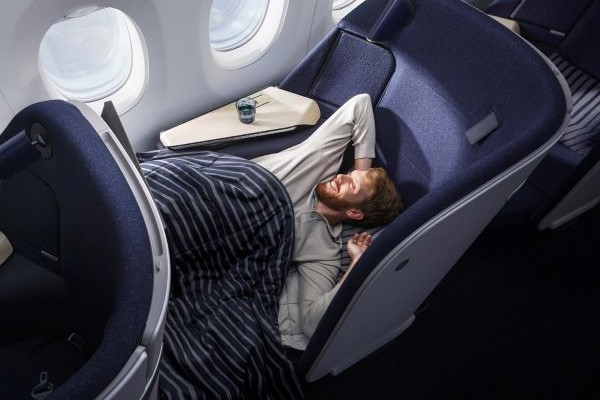
Premium cabins offer beds, space, and privacy
-
Economy offers efficiency and density
This contrast makes economy feel more exhausting — not just physically, but psychologically.
If you’re considering upgrading, read Premium Economy Is A Trap before spending extra — it might change your decision.
How to Fly Without Feeling Drained
You don’t need a business-class upgrade to feel better — just smarter habits:
-
Hydrate consistently (before and during the flight)
-
Choose flight times that match your natural sleep cycle
-
Move regularly to improve circulation
-
Limit screen exposure mid-flight
-
Pick seats strategically
Use Aviasales to compare routes and timings — small differences can dramatically affect how you feel on arrival.
And for longer trips, flexible coverage like SafetyWing reduces travel stress — one less thing weighing on your mind.
The Bottom Line
Flying feels more exhausting today because of stacked micro-stressors — lower oxygen, tighter seating, dry air, disrupted sleep, and constant stimulation.
Individually, they’re manageable. Together, they quietly drain you.
The good news? With the right strategy — and a few smart tweaks — you can start flying comfortably again without overspending.
FAQs
Why do I feel more tired after a short flight than before?
Even short flights combine dehydration, mild altitude effects, and poor posture — which can leave you feeling unexpectedly fatigued.
Are newer aircraft less tiring than older ones?
Planes like the Boeing 787 improve air quality and pressure, but overall comfort still depends heavily on seating and scheduling.
What’s the easiest way to reduce flight fatigue?
Hydration, movement, and reducing screen exposure — combined with seat strategies — make the biggest difference.