
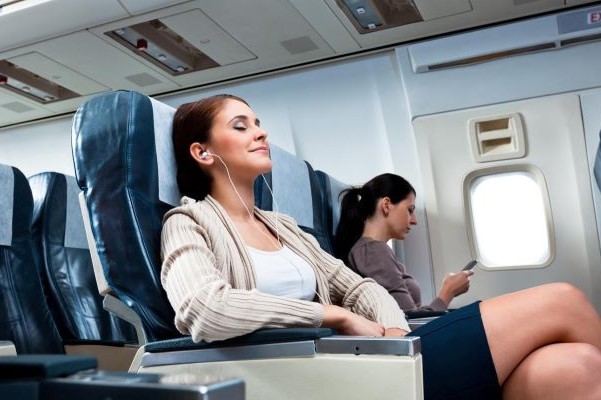
How to Get an Empty Seat Next to You on a Flight (Smart Tricks Frequent Flyers Swear By)
You board the flight… and then you notice it
The cabin fills up. Row after row. Seat after seat.
Then suddenly—you see it.
An empty seat. Right next to someone who looks like they planned it.
Meanwhile, your row? Packed.
Here’s the truth most airlines won’t tell you: getting an empty seat beside you isn’t luck. It’s strategy.
Get the SkypropreAir Free Travel Pack
Plan smarter, choose a better seat and enjoy a more comfortable long-haul journey. Enter your details below to receive the Travel Pack.
Why Empty Seats Still Exist (Even on “Full” Flights)
Airlines aim for full cabins—but real-world gaps always appear:
-
Last-minute no-shows
-
Missed connections
-
Upgrade reshuffles
Smart move while booking: choosing less busy flights gives you a head start.
You can quietly compare flight load patterns and prices here → Aviasales flight search
1) Choose Flights That People Avoid
If you want space, don’t follow the crowd.
Best odds for empty seats:
-
Midweek flights (Tuesday–Wednesday)
-
Late-night or red-eye departures
-
Off-season travel
Worst odds:
-
Friday evenings
-
Sunday returns
Many SkypropreAir readers use flexible date search tools like Aviasales to spot quieter flights without overpaying.
2) Read the Seat Map Like a Pro
Your seat map is your biggest advantage.
Most passengers:
-
Pick early
-
Cluster toward the front
-
Avoid “bad zones”
Your strategy:
-
Choose a window seat in a partially empty row
-
Let the middle seat remain unattractive
-
Allow natural behavior to work for you
This builds directly on our deeper breakdown in “5 More Seat Tricks Airlines Don’t Tell You”.
3) Target “Less Popular” Zones (But Don’t Suffer)
Seats near:
-
Lavatories
-
Galleys
-
Last rows
…tend to fill last.
The trick: sit near these zones—not inside them.
This is also why some upgrades don’t feel worth it—explained in “Premium Economy Is A Trap”.
4) Time Your Check-In (Underrated Advantage)
Instead of rushing to check in instantly:
-
Wait and observe how the cabin fills
-
Move to emptier rows if available
This small move can dramatically improve your comfort—without paying extra.
And if your travel plans shift last minute, having flexible coverage matters. Many frequent travelers quietly rely on SafetyWing travel insurance for that added peace of mind.
5) Subtle Psychology Works
Passengers choose seats quickly—and emotionally.
They avoid:
-
Clutter
-
Overly “inviting” setups
-
Unclear personal space
What works instead:
-
Calm, neutral presence
-
Clean seat area
-
Quiet confidence
This complements strategies from “How To Fly Comfortably Without Business Class”.
6) Ask—But Ask Smartly
Crew often know which seats will stay empty.
A simple line:
“If there’s space later, could I move to a row with an empty seat?”
…can unlock opportunities, especially on long-haul flights.
7) Use Upgrade Movement to Your Advantage
When passengers move to business class, they leave gaps behind.
These happen:
-
During boarding
-
Just before departure
Stay alert—and move quickly.
The Real Strategy
Frequent flyers don’t rely on luck.
They combine:
-
Smart flight timing
-
Seat map awareness
-
Real-time adjustments
That’s how economy starts to feel… surprisingly comfortable.
A Quiet Advantage Most Travelers Miss
Getting an empty seat isn’t guaranteed—but stacking small advantages is.
-
Better flight selection → higher chance of space
-
Smarter seat choice → fewer neighbors
-
Flexible planning → more control
If you’re planning your next trip, it’s worth quickly checking quieter routes here → Browse flights on Aviasales
And for longer trips, subtle protection like SafetyWing coverage can make unexpected changes far less stressful.
Internal SkypropreAir Links (SEO Structure)
Link to this article from:
-
“5 More Seat Tricks Airlines Don’t Tell You” → Anchor: “how to get an empty seat next to you”
-
“How To Fly Comfortably Without Business Class” → Anchor: “increase your chances of an empty seat”
-
“Premium Economy Is A Trap” → Anchor: “why empty seats in economy can be better than upgrades”
Link from this article to:
FAQs
Can I keep an empty seat next to me by placing my bag on it?
No. Airlines require seats to remain available. Crew may ask you to clear it.
Do airlines ever intentionally leave seats empty?
Rarely. Empty seats usually result from demand gaps, not airline policy.
Is buying an extra seat worth it?
For long-haul comfort, yes—especially if sleep and space matter to you.
Final Thought
Next time you fly, don’t just hope for an empty seat.
Position yourself for it.
Because the difference between a cramped flight and a comfortable one often comes down to a few smart decisions—made before you even board.