
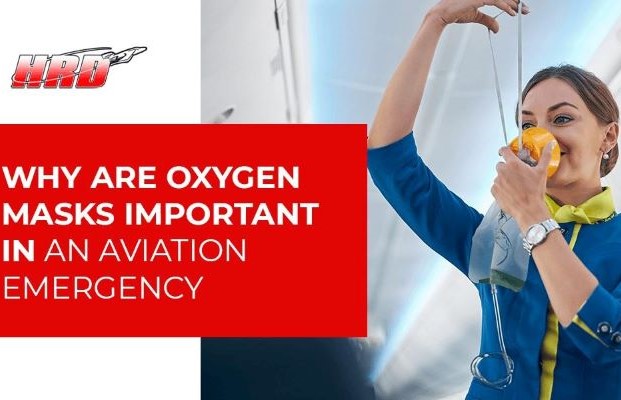
The Hidden Reason You Must Put Your Own Oxygen Mask On First
Imagine this.
You are 35,000 feet above the Atlantic. The cabin lights glow softly. Most passengers are half-asleep. A baby is crying somewhere behind you. The flight feels routine.
Then it happens.
Without warning, oxygen masks drop from the ceiling.
The cabin erupts into confusion.
Get the SkypropreAir Free Travel Pack
Plan smarter, choose a better seat and enjoy a more comfortable long-haul journey. Enter your details below to receive the Travel Pack.
People look at their children. Couples reach for each other. Parents instinctively lean toward their sons and daughters. Every natural human instinct screams the same thing:
Help someone else first.
Yet flight attendants repeat a seemingly cold instruction that many passengers have heard dozens of times without truly understanding:
“Put your own oxygen mask on before assisting others.”
To many travelers, it sounds selfish.
In reality, it may be the most life-saving instruction ever given aboard an aircraft.
The reason is far more dramatic—and terrifying—than most people realize.
The Human Instinct That Could Become Dangerous
Humans are wired to protect loved ones.
Parents naturally place children first. Partners protect one another. It is one of the strongest instincts we possess.
That is exactly why aviation safety experts must train passengers to do the opposite during an oxygen emergency.
The problem isn’t compassion.
The problem is time.
At high altitude, an oxygen emergency can leave a person unconscious far faster than most people imagine.
In those critical moments, instinct and survival can collide.
A parent struggling to fit a child’s mask while ignoring their own may unknowingly place both lives at risk.
Related Reading: The Hidden Reason Turbulence Feels More Terrifying Than It Really Is
The Silent Threat Most Passengers Never See
The danger begins with something called cabin depressurization.
Modern aircraft cruise at altitudes between 30,000 and 40,000 feet. Outside the aircraft, the air is far too thin for humans to breathe normally.
Cabins are pressurized to create a comfortable environment.
But if that pressure is suddenly lost, oxygen levels inside the cabin drop dramatically.
The frightening part?
You may not immediately realize what is happening.
Unlike smoke or fire, oxygen deprivation can be almost invisible.
There is often no dramatic warning beyond the masks dropping.
Yet your body is already entering a race against time.
Travel Protection Recommendation
Planning a long-haul trip? Unexpected medical emergencies can happen anywhere. Compare travel insurance options before your next flight through your SafetyWing affiliate partner placement.
The Countdown Starts Immediately
One of the most misunderstood concepts in aviation is something called “Time of Useful Consciousness.”
This refers to the amount of time a person can function effectively after losing access to adequate oxygen.
At cruising altitude, that time may be shockingly short.
In some situations, it can be less than a minute.
At higher altitudes, it can be as little as a few seconds.
The frightening reality is that people often do not realize their mental abilities are fading.
Oxygen deprivation doesn’t always feel dramatic.
Instead, it can feel strangely normal.
You may become confused.
You may feel relaxed.
You may become unable to think clearly.
You may not even recognize that something is wrong.
And that’s what makes it so dangerous.
Related Reading: Why Airplane Air Makes You Feel Strange After Landing
Why Helping Someone Else First Can Backfire
Imagine a parent trying to secure a frightened child’s mask.
The child is moving.
The straps are tangled.
The parent is focused entirely on helping.
Meanwhile, every second without oxygen is reducing the parent’s ability to think, move, and react.
If the parent becomes unconscious before completing the task, the child may lose the only person capable of helping them.
This is why aviation safety procedures prioritize the caregiver’s mask first.
It is not about choosing yourself over someone else.
It is about ensuring you remain capable of helping.
The logic is simple:
An unconscious helper cannot save anyone.
The Aviation Lessons Written in Decades of Research
The oxygen-mask instruction is not a random rule.
It comes from decades of research into human performance during emergencies.
Aviation experts have studied how people behave under stress, how oxygen deprivation affects decision-making, and how quickly confusion can spread during a crisis.
Again and again, the findings point to the same conclusion:
People who secure their own oxygen first are far more likely to assist others successfully.
The instruction is based on psychology, physiology, and real-world emergency planning.
Every word of the safety briefing has been carefully designed because seconds matter.
Related Reading: The Hidden Mental Pressure Pilots Face Before Every Flight
Long-Haul Comfort Recommendation
Before your next trip, compare flight prices and seat options using your Aviasales affiliate search tool. Choosing the right flight schedule and aircraft can dramatically improve your comfort and reduce travel fatigue.
Why Children Depend on Adults Remaining Conscious
Children are particularly vulnerable during emergencies.
They may not understand what is happening.
They may panic.
They may resist the mask.
They may require reassurance as much as physical assistance.
All of those actions require a conscious, alert adult.
That adult must be able to think clearly.
They must be able to communicate.
They must be able to solve problems.
Without oxygen, those abilities can disappear remarkably quickly.
Putting on your own mask first protects your ability to protect them.
That is the hidden logic behind the instruction.
The Psychological Barrier Many Passengers Struggle With
For some travelers, the oxygen-mask announcement feels emotionally uncomfortable.
It appears to contradict everything society teaches about selflessness.
Yet aviation safety reveals an important truth:
Sometimes helping yourself is the fastest way to help others.
The same principle appears in many emergency professions.
Rescuers are taught to secure their own safety first.
Firefighters assess risks before entering danger zones.
Lifeguards learn techniques to prevent drowning victims from pulling them underwater.
The reasoning is always the same.
You cannot rescue others if you become a victim yourself.
Related Reading: The Boarding Process Is More Psychological Than Most Travelers Realise
What Actually Happens After the Masks Drop
Many passengers assume the masks are intended for the remainder of the flight.
That isn’t their primary purpose.
The masks provide oxygen while pilots execute emergency procedures.
When depressurization occurs, pilots immediately begin descending to a lower altitude where passengers can breathe safely without supplemental oxygen.
The oxygen system essentially buys precious time.
It bridges the gap between the emergency and the aircraft reaching a safer altitude.
Those few minutes can make all the difference.
Related Reading: What Flight Attendants Notice About You Within Seconds of Boarding
Why Most People Ignore This Safety Briefing
Frequent flyers often tune out safety demonstrations.
They have heard them dozens or even hundreds of times.
Some scroll through phones.
Others continue conversations.
Many barely glance up.
Yet the oxygen-mask briefing may contain the single most important safety instruction passengers receive.
Unlike turbulence, delays, or seat discomfort, an oxygen emergency is a genuinely time-critical event.
Knowing what to do before it happens can eliminate hesitation when every second counts.
That is why flight attendants continue repeating the instruction on every flight.
Recommended Travel Resource
Flying internationally? Consider checking entry requirements, health advisories, and travel coverage before departure through your SafetyWing travel resources section.
The Deeper Life Lesson Hidden in Every Safety Demonstration
Perhaps the most fascinating aspect of the oxygen-mask rule is that it extends far beyond aviation.
It reflects a truth about human resilience.
People often believe strength means sacrificing themselves completely for others.
But true strength often begins with maintaining your own ability to function.
Whether in parenting, caregiving, leadership, or emergencies, preserving your capacity to help can be the most selfless act of all.
The next time you board an aircraft and hear the familiar announcement, listen closely.
What sounds like a simple safety instruction is actually the product of decades of aviation science, human psychology, and emergency planning.
Because at 35,000 feet, there is a hidden reality many passengers never consider:
The person most capable of saving others is the one who remains conscious long enough to do it.
And that is why you must put your own oxygen mask on first.
FAQs
Why do airlines tell parents to put on their own oxygen mask first?
Because a parent who loses consciousness cannot help a child. Securing your own oxygen first ensures you remain capable of assisting others.
How long do airplane oxygen masks provide oxygen?
Most passenger oxygen systems provide approximately 12–20 minutes of oxygen, enough time for pilots to descend to a safer altitude.
What happens if cabin pressure is lost during a flight?
Oxygen masks deploy automatically, pilots begin an emergency descent, and passengers use supplemental oxygen until the aircraft reaches breathable altitude.