
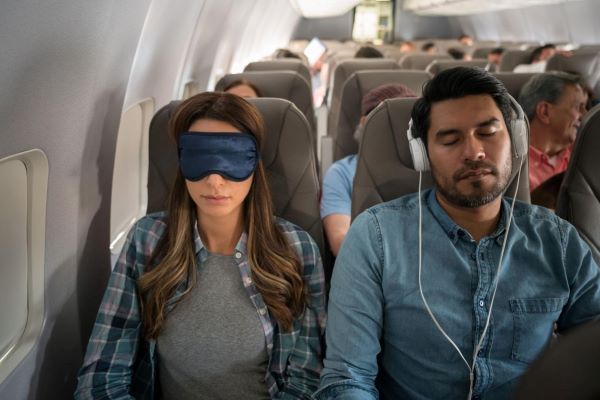
The Airplane Seat Myth Most Passengers Still Believe — And Why It Leaves So Many Exhausted
A few hours into a long-haul flight, reality quietly sets in.
The expensive seat didn’t magically remove the fatigue.
Your neck still hurts. Your eyes feel dry. Sleep never fully came. The cabin still feels strangely draining.
Meanwhile, somewhere behind you, a traveler in regular economy is peacefully asleep against the window, wrapped in a hoodie, perfectly positioned away from the aisle traffic.
That’s the moment many frequent flyers realize something airlines rarely say openly:
Comfort in the sky is not only about paying more.
Get the SkypropreAir Free Travel Pack
Plan smarter, choose a better seat and enjoy a more comfortable long-haul journey. Enter your details below to receive the Travel Pack.
And that may be the biggest airplane seat myth passengers still believe.
Why So Many Travelers Keep Falling for This Myth
Modern airline marketing is designed around aspiration.
Soft lighting. Wide seats. Luxury meals. Beautiful cabin photos.
But real inflight comfort is far more complicated than cabin class alone.
Experienced travelers know that:
-
Some premium seats are located near noisy galleys
-
Certain extra-legroom rows barely recline
-
Bulkhead seats can feel surprisingly restrictive
-
Front-cabin traffic can destroy sleep quality
-
The “best” seat often depends on the flight length and aircraft type
This is why some seasoned travelers deliberately choose carefully selected economy seats over random premium upgrades.
If you’ve ever wondered why flying feels more exhausting lately, you may also enjoy:
The Real Secret Frequent Flyers Understand
Comfort is partly physical — but heavily psychological.
Passengers who feel prepared and in control of their environment often experience less stress and fatigue during flights.
Frequent travelers increasingly focus on:
-
Seat positioning
-
Cabin quietness
-
Boarding timing
-
Hydration
-
Sleep strategy
-
Aircraft selection
-
Reduced interruptions
For example, many travelers actively seek flights on the Boeing 787 Dreamliner because of its quieter cabin atmosphere, higher humidity levels, and lower cabin altitude sensation compared to older aircraft.
That alone can dramatically change how rested passengers feel after long-haul travel.
The “Luxury Seat” Disappointment Nobody Talks About
One of the biggest frustrations in modern travel is expectation mismatch.
Passengers often believe:
“If I pay more, I’ll automatically feel better.”
But inflight discomfort comes from many invisible factors:
-
Dry cabin air
-
Constant engine vibration
-
Sleep interruptions
-
Poor posture
-
Temperature fluctuations
-
Mental overstimulation
-
Cabin traffic
That’s why even premium cabins can leave travelers feeling mentally drained.
In fact, many experienced flyers quietly prioritize:
-
Window seats for sleep stability
-
Mid-cabin quiet zones
-
Flights on newer aircraft
-
Strategic boarding habits
-
Carry-on comfort essentials
If you travel frequently, searching smarter flight combinations can sometimes matter more than simply paying for a higher cabin.
You can compare long-haul flight options and aircraft types through Aviasales before booking.
Why This Topic Is Suddenly Going Viral
Passenger conversations around comfort are exploding online because flying has become more emotionally exhausting for many people.
Travelers increasingly complain about:
-
Smaller personal space
-
Louder cabins
-
Sleep disruption
-
Seat anxiety
-
Crowded boarding
-
Mental fatigue after flights
That’s also why articles like:
continue gaining strong engagement across travel communities.
People are no longer chasing only luxury.
They are chasing recovery.
The Smarter Way to Think About Airplane Comfort
The smartest travelers rarely assume the most expensive seat is automatically the best.
Instead, they optimize for:
-
Better sleep
-
Lower stress
-
Fewer interruptions
-
Better hydration
-
Faster recovery after landing
And ironically, those small strategies often matter more than the seat label itself.
For travelers trying to reduce trip stress on longer journeys, many frequent flyers also use flexible travel medical coverage providers like SafetyWing for added peace of mind during international trips.
Final Thoughts
The biggest airplane seat myth isn’t that premium seats are bad.
It’s believing comfort can simply be purchased.
Real comfort in the sky usually comes from understanding how your body reacts to flying — and making smarter choices before you even board the aircraft.
That’s something frequent flyers learn eventually.
Usually somewhere over the ocean, while everyone else is still chasing the myth.
FAQs
Is premium economy always worth paying for?
Not always. On some airlines it offers meaningful comfort improvements, while on others the differences are surprisingly small compared to standard economy.
Which airplane seats are best for sleeping?
Window seats away from lavatories and galley areas are generally considered best for uninterrupted sleep on long-haul flights.
Why do some flights feel more exhausting than others?
Aircraft type, cabin pressure, humidity, noise levels, seat design, and sleep disruption all affect passenger fatigue differently.