
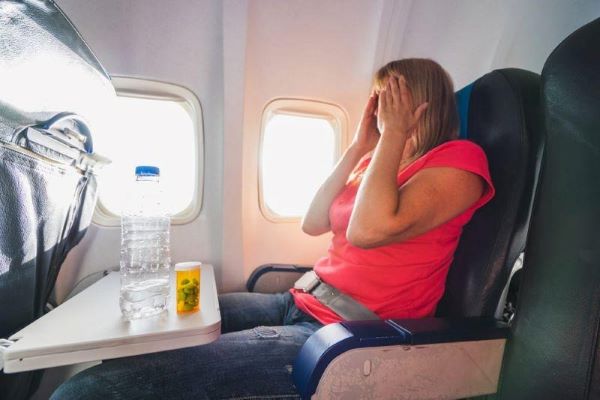
Why Some Travelers Feel Anxious the Moment They Board — Even Before Takeoff
You step onto the aircraft.
The cabin smells familiar. Flight attendants smile politely. Passengers shuffle bags into overhead bins.
And then it happens.
Your chest tightens slightly.
Your mind becomes unusually alert.
Suddenly, you just want the boarding process to end.
For millions of travelers, anxiety begins long before turbulence. In fact, some passengers feel most uncomfortable during the exact moment they board the aircraft — even if they fly often.
And according to aviation psychologists and passenger behavior research, there are hidden reasons why.
Get the SkypropreAir Free Travel Pack
Plan smarter, choose a better seat and enjoy a more comfortable long-haul journey. Enter your details below to receive the Travel Pack.
The Moment Boarding Starts, Your Brain Notices a Loss of Control
Inside the airport terminal, you move freely.
You choose where to sit.
You decide when to eat.
You can walk away anytime.
But boarding changes everything almost instantly.
Suddenly:
-
Your seat is assigned
-
Your movement becomes restricted
-
Exits feel psychologically distant
-
Personal space shrinks
-
The cabin becomes crowded and overstimulating
The human brain is highly sensitive to environments where control feels limited. That’s why some travelers feel a wave of anxiety before the plane even moves.
Interestingly, many passengers report feeling calmer once the aircraft reaches cruising altitude because the environment becomes more stable and predictable.
This is also why many frequent flyers quietly develop personal “comfort rituals” during boarding.
You may also enjoy reading:
Modern Aircraft Cabins Quietly Overload the Senses
Most passengers never consciously notice how intense the boarding environment actually is.
During boarding, the brain processes:
-
Engine vibrations
-
Bright lighting
-
Rolling suitcases
-
Crowded aisles
-
Overhead announcements
-
Social pressure
-
Unfamiliar passengers entering personal space
For anxious travelers, this creates a state of hyper-awareness.
Your nervous system begins scanning for discomfort, conflict, or danger — even when the flight itself is perfectly safe.
This helps explain why some passengers suddenly feel exhausted before takeoff even happens.
Related:
The Hidden Social Pressure of Boarding
Boarding is also one of the most socially stressful parts of flying.
Passengers subconsciously worry about:
-
Holding up the line
-
Struggling with luggage
-
Finding overhead bin space
-
Sitting beside strangers
-
Looking visibly nervous
-
Asking others to move
For many people, this social pressure quietly amplifies emotional stress.
Ironically, anxious passengers often look completely calm externally while internally battling racing thoughts.
And because modern flights are increasingly full, the emotional intensity of boarding has quietly increased over the past decade.
Why Past Flight Experiences Stay in the Brain
A rough landing years ago.
Severe turbulence on one flight.
A panic attack during travel.
The brain stores emotionally intense travel memories very deeply. Boarding another aircraft can unconsciously reactivate those memories without passengers fully realizing it.
This is one reason why some travelers suddenly develop flight anxiety later in life — even after years of flying comfortably.
You may also like:
Airlines Are Quietly Studying Passenger Emotions More Than Ever
Modern airlines are becoming increasingly obsessed with passenger psychology.
Cabin mood lighting, biometric technology, quieter aircraft interiors, boarding music, wider cabins, and stress-monitoring systems are all being explored through one key question:
How do passengers emotionally experience flying?
Some newer airline concepts are even testing technology that could detect passenger stress levels in real time.
Related reading:
-
“Would You Allow an Airline Seat to Monitor Your Stress Levels During a Flight?”
-
“Passengers Are Divided Over the Rise of Biometric Airline Technology”
-
“Why Some Passengers Are Worried About AI Inside Airplane Cabins”
The Real Reason This Feeling Is Becoming More Common
Modern air travel has become faster and more efficient.
But many passengers quietly feel it has also become emotionally heavier.
Tighter seating, crowded boarding zones, digital surveillance technology, constant delays, and sensory overload have changed how flying feels psychologically.
And for some travelers, that emotional tension begins the exact second they step onboard.
Smart Ways Travelers Reduce Boarding Anxiety
Frequent flyers who manage boarding anxiety well often:
-
Board later when possible
-
Choose aisle seats for psychological comfort
-
Use noise-canceling headphones immediately
-
Avoid overstimulating airport environments
-
Create small personal routines before takeoff
-
Stay hydrated before boarding
Small comfort strategies can significantly change how the brain experiences the cabin environment.
SkypropreAir Comfort Tip
If long-haul comfort matters to you, many experienced travelers now prioritize:
-
quieter cabin zones
-
better seat pitch
-
reduced boarding stress
-
more flexible baggage policies
Before booking your next flight, compare aircraft comfort layouts and cabin configurations through Aviasales to avoid stressful seating surprises.
And if you travel frequently, many passengers also use SafetyWing for flexible travel medical coverage during international trips.
FAQs
Why do I feel anxious the moment I board a plane?
Boarding combines loss of control, confined space, sensory overload, and social pressure — all of which can trigger the brain’s stress response.
Is boarding anxiety common among frequent travelers?
Yes. Even experienced flyers can experience anxiety due to fatigue, stress, past turbulence experiences, or crowded cabin environments.
Which seat is best for anxious flyers?
Many anxious travelers prefer aisle seats because they reduce feelings of confinement and allow easier movement during the flight.