
The Reason Cockpit Doors Are Stronger Than Most People Realize
Imagine sitting on a commercial flight at 38,000 feet.
The cabin is quiet. Most passengers are watching movies, sleeping, or staring out the window at endless clouds. Then suddenly, a disturbance breaks the calm. Raised voices. Panic. Confusion.
In moments like these, one area of the aircraft becomes more important than any other.
The cockpit.
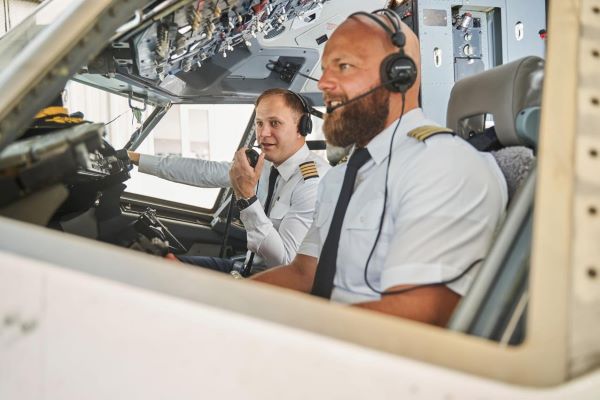
Behind a seemingly ordinary door at the front of the aircraft sits the nerve center of the flight. Every decision, every communication, and every action that keeps hundreds of people safe happens inside that small space.
Get the SkypropreAir Free Travel Pack
Plan smarter, choose a better seat and enjoy a more comfortable long-haul journey. Enter your details below to receive the Travel Pack.
What many passengers don’t realize is that the cockpit door separating them from the pilots is one of the strongest security features on the entire aircraft.
It isn’t just a door.
It’s a barrier designed to withstand attacks, protect the crew, and ensure that control of the aircraft never falls into the wrong hands.
And the reason it exists in its current form is rooted in one of aviation’s darkest chapters.
A Tragic Event Changed Aviation Forever
For decades, cockpit doors were relatively simple.
Pilots could enter and exit easily, and flight attendants had quick access whenever needed. Security existed, but it was not the primary concern.
Then came the terrorist attacks of September 11, 2001.
The world watched in horror as hijacked aircraft were turned into weapons. One of the major lessons learned from that day was that unauthorized access to the cockpit represented an enormous risk.
The aviation industry responded with sweeping changes.
Among the most significant was the redesign of cockpit doors.
Airlines and regulators around the world decided that the cockpit had to become a secure fortress inside the aircraft.
The result was a completely new generation of reinforced cockpit doors.
Related Reading: The Hidden Reason Airplanes Are Safer Than Most People Realize
The Door Is Built Like a Security Barrier
Most passengers assume the cockpit door is similar to the doors found elsewhere on the aircraft.
It isn’t.
Modern cockpit doors are heavily reinforced using strong materials designed to resist forced entry.
The structure is engineered to withstand significant physical impact.
Unlike ordinary doors, they contain reinforced frames, strengthened locking mechanisms, and materials designed to absorb force.
In many cases, the door is strong enough to resist repeated attempts to break it down.
This is not accidental.
Every component is designed with one objective:
Keep unauthorized individuals out of the cockpit.
Travel Smart Advertisement
Planning your next long-haul trip? Compare flight prices before booking and find hidden airfare deals through your preferred flight comparison partner. A few minutes of searching could save enough money to upgrade your seat or add extra baggage.
The Locking System Is Far More Advanced Than Most People Think
The strength of the door itself is only part of the story.
The locking system is equally impressive.
When the cockpit door is secured during flight, it cannot simply be opened from the cabin side.
Pilots control access electronically.
Anyone seeking entry must typically request access through a secure procedure.
The pilots can verify who is outside before allowing the door to unlock.
Modern systems also include protections against coercion or unauthorized access attempts.
This means the door functions more like the entrance to a secure facility than the door to an office.
For passengers, it may look ordinary.
For security experts, it represents a highly controlled access point.
Related Reading: What Flight Attendants Notice About You Within Seconds of Boarding
The Cockpit Is Designed To Remain Secure During Chaos
One of the most important principles in aviation security is that emergencies rarely happen under ideal conditions.
If a serious incident occurs in the cabin, the pilots must remain focused on flying the aircraft.
Imagine a severe medical emergency.
A disruptive passenger.
A security threat.
Or even widespread panic.
The cockpit door helps ensure that none of these situations compromises the pilots’ ability to control the airplane.
Even if chaos develops in the cabin, the flight crew in the cockpit can continue performing their duties without direct interference.
That separation is one of the reasons modern commercial aviation remains extraordinarily safe.
Related Reading: What Really Happens During an Airline Emergency Evacuation
Many Passengers Notice the Ritual but Not the Reason
Have you ever noticed the careful procedure when a pilot leaves the cockpit?
It often seems surprisingly elaborate.
A flight attendant may position a service cart nearby.
Communication occurs between crew members.
The door opens briefly and closes immediately.
To passengers, the process can appear excessive.
In reality, every step is designed to minimize the time the cockpit is exposed.
The goal is simple:
Never provide an opportunity for unauthorized access.
What looks like routine airline behavior is actually part of a carefully developed security protocol.
Travel Insurance
Frequent travelers know that flight disruptions, medical emergencies, and unexpected delays can happen anywhere. Before your next international trip, consider comprehensive travel insurance coverage that protects both your journey and your finances.
The Door Must Also Handle Extreme Conditions
Security is not the only concern.
Aircraft operate in an environment unlike almost anything on Earth.
At cruising altitude, conditions outside the aircraft are extremely harsh.
Temperatures can fall well below freezing.
Air pressure is dramatically lower than at ground level.
The cockpit door must function reliably throughout thousands of flight hours under these demanding conditions.
It cannot jam.
It cannot fail unexpectedly.
It must continue working regardless of turbulence, temperature changes, or cabin pressure variations.
In other words, the door is not simply strong.
It is engineered for reliability in one of the most challenging operating environments imaginable.
Related Reading: The Hidden Reason Turbulence Feels More Terrifying Than It Really Is
Pilots Depend On That Door More Than Passengers Realize
Most passengers rarely think about the cockpit once the flight begins.
Pilots think about it constantly.
The cockpit represents their workplace, but it is also their protective zone.
Inside that space, they manage navigation, weather avoidance, air traffic control communications, aircraft systems, and emergency procedures.
Any distraction can increase workload during critical moments.
The reinforced cockpit door helps create a secure environment where pilots can concentrate fully on flying.
This protection ultimately benefits everyone on board.
When pilots can focus without interruption, safety improves.
Related Reading: The Hidden Mental Pressure Pilots Face Before Every Flight
Why Breaking Through Is Much Harder Than Movies Suggest
Hollywood often portrays cockpit doors being kicked open dramatically during airborne emergencies.
Real life is very different.
Modern reinforced cockpit doors are specifically designed to resist forced entry.
Their strength, locking systems, and reinforced frames create multiple layers of protection.
While no security measure is absolutely invulnerable, these doors are intentionally built to make unauthorized access extraordinarily difficult.
That difficulty buys valuable time.
In aviation security, time can be everything.
Every additional second allows pilots, cabin crew, and security procedures to work as intended.
Premium Seat Affiliate
If aviation safety fascinates you, comfort matters too. Before your next flight, check seat maps and aircraft layouts to identify the best economy, premium economy, and exit-row seats. Small seat choices can dramatically improve long-haul comfort.
A Hidden Safety Feature Most Travelers Never Appreciate
Passengers spend a lot of time thinking about turbulence.
They notice life jackets.
They watch oxygen mask demonstrations.
They pay attention to emergency exits.
Yet one of the most important safety features on the aircraft often goes unnoticed.
The cockpit door.
It rarely attracts attention because it rarely needs to.
Its success is measured by the incidents that never happen.
The threats that never reach the flight deck.
The disruptions that never affect the pilots.
The emergencies that remain under control.
In many ways, that quiet effectiveness is exactly what makes it so important.
Related Reading: The Hidden Reason You Must Put Your Own Oxygen Mask On First and The Hidden Reason Flight Attendants Ask Passengers to Review Emergency Exits
The Real Reason Cockpit Doors Are So Strong
The reason cockpit doors are stronger than most people realize is not because airlines expect danger on every flight.
It is because modern aviation is built around layers of protection.
Every lesson learned from past tragedies has shaped today’s aircraft.
Every reinforcement, lock, and security procedure exists to prevent history from repeating itself.
When passengers board a flight, they may never give the cockpit door a second glance.
But behind that reinforced barrier sits one of the most important safeguards in modern aviation.
It protects the people flying the aircraft.
It protects the systems controlling the aircraft.
And ultimately, it helps protect every passenger on board.
The next time you walk past that seemingly ordinary door, remember this:
It may look like just another part of the cabin.
In reality, it is one of the strongest and most important security barriers in the sky.
FAQs
1. Can passengers ever open the cockpit door during a flight?
No. Modern cockpit doors are secured with reinforced locking systems, and access is tightly controlled by the flight crew.
2. Are cockpit doors bulletproof?
Many modern cockpit doors are designed to resist ballistic impacts and forced entry attempts, though exact specifications vary by aircraft and airline security requirements.
3. Why do flight attendants block the aisle when the cockpit door opens?
This is a security procedure designed to prevent unauthorized access while a pilot enters or exits the cockpit.