
What Flight Attendants Notice About You Within Seconds of Boarding
Imagine stepping onto an aircraft after a long wait at the gate.
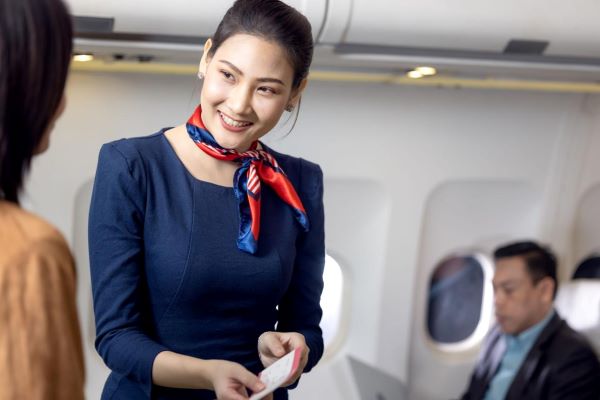
The cabin hums with quiet anticipation. Overhead bins slam shut. Passengers shuffle down narrow aisles. A flight attendant smiles and says, “Welcome aboard.”
It feels like a routine greeting.
But in that brief moment, before you’ve even found your seat, something remarkable is happening.
The flight attendant has already started assessing you.
Get the SkypropreAir Free Travel Pack
Plan smarter, choose a better seat and enjoy a more comfortable long-haul journey. Enter your details below to receive the Travel Pack.
Not your wealth.
Not your clothes.
Not whether you’re flying economy or business class.
They’re looking for signs that could affect the safety and comfort of everyone on board.
Within seconds, experienced cabin crew members begin building a mental picture of hundreds of passengers. Who looks nervous? Who may need assistance? Who appears unwell? Who isn’t paying attention?
Most travelers never realize just how much flight attendants notice before the aircraft doors even close.
If you’ve ever wondered why cabin crew seem to spot problems before anyone else, the answer begins the moment you step onto the plane.
The First Thing They Notice Isn’t What You’re Wearing
Many travelers assume flight attendants immediately notice luxury handbags, designer clothing, or expensive watches.
In reality, they are usually focused on behavior.
How are you walking?
Do you seem alert?
Are you paying attention to your surroundings?
Do you appear confused or stressed?
The way passengers move through the cabin often reveals far more than their appearance.
A passenger calmly listening to instructions creates a very different impression from someone rushing down the aisle while ignoring crew directions.
Flight attendants are trained to identify potential issues before they develop into bigger problems.
Much like the psychology discussed in our article on “The Boarding Process Is More Psychological Than Most Travelers Realise,” boarding is not simply about finding a seat—it’s the first stage of cabin safety management.
They Instantly Spot Nervous Flyers
A surprising number of passengers believe their fear of flying is invisible.
It usually isn’t.
Experienced flight attendants can often identify anxious travelers within moments.
They notice trembling hands.
Repeatedly checking seat numbers.
Tightly gripping boarding passes.
Avoiding eye contact.
Rapid breathing.
Constantly looking toward the cockpit.
These subtle signs tell a story.
Many nervous passengers are already imagining turbulence, emergency scenarios, or unfamiliar sensations that haven’t even happened yet.
Flight attendants recognize these behaviors because they’ve seen them thousands of times before.
Rather than judging nervous travelers, many crew members quietly monitor them so they can provide reassurance when needed.
Monetization Placement
Advertisement: Nervous about flying? Compare travel insurance options and flight anxiety resources designed to help travelers feel more confident before departure.
If you’re interested in why fear can feel stronger than reality, read SkypropreAir’s guide: “The Hidden Reason Turbulence Feels More Terrifying Than It Really Is.”
They Are Quietly Assessing Who Could Help During An Emergency
This is one of the least-known aspects of boarding.
While passengers are focused on finding overhead bin space, flight attendants are often identifying individuals who appear capable of assisting during an emergency evacuation.
They may notice:
-
Military personnel
-
Police officers
-
Firefighters
-
Medical professionals
-
Frequent travelers
-
Physically capable passengers seated near emergency exits
No one is officially assigned a role.
However, trained cabin crews understand that in a crisis, every second matters.
Knowing where potentially helpful passengers are located can become valuable information.
Passengers see boarding.
Flight attendants see preparedness.
Passengers Who Ignore Them Stand Out Immediately
One of the fastest ways to attract attention isn’t being friendly.
It’s being completely disengaged.
When a flight attendant greets passengers, the greeting serves a purpose beyond courtesy.
They’re often checking:
-
Can this passenger respond appropriately?
-
Do they appear alert?
-
Are they paying attention?
-
Do they understand instructions?
Passengers wearing headphones while ignoring crew members often attract attention because cabin crews need to know passengers can follow safety directions if necessary.
That simple “hello” is actually one of the quickest safety assessments in aviation.
They Notice Signs Of Illness Before Most People Do
Flight attendants receive extensive training in identifying passengers who may become unwell during a flight.
Before departure, they often look for:
-
Excessive sweating
-
Pale skin
-
Breathing difficulties
-
Visible dizziness
-
Confusion
-
Severe fatigue
To most passengers, these signs may go unnoticed.
To experienced cabin crew, they can signal a potential medical issue.
Early recognition allows flight attendants to monitor situations before they become emergencies.
Monetization Placement
Advertisement: Build your own travel wellness kit with hydration tablets, compression socks, sleep masks, and long-haul comfort essentials.
This is especially important on long-haul flights, where factors such as fatigue, dehydration, and cabin pressure can affect passengers in unexpected ways.
For more, see SkypropreAir’s article: “Why Airplane Air Makes You Feel Strange After Landing.“
They Can Usually Spot First-Time Flyers
First-time travelers often believe they’re blending into the crowd.
Most aren’t.
Flight attendants frequently notice:
-
Confusion about seat numbers
-
Uncertainty using overhead bins
-
Repeatedly checking boarding passes
-
Hesitation when storing baggage
-
Questions about basic procedures
Many cabin crew members actually enjoy helping first-time flyers.
They understand that airports and aircraft cabins can feel overwhelming.
Recognizing inexperienced travelers allows them to provide guidance before confusion turns into stress.
Your Attitude Is Noticed Faster Than You Think
A single flight may require cabin crew to interact with hundreds of passengers within a very short period.
Certain behaviors immediately stand out.
Passengers who smile, listen, and cooperate are often remembered positively.
Passengers who argue over overhead bin space, ignore instructions, or create unnecessary conflict also become memorable.
Flight attendants know that a passenger’s attitude during boarding often predicts how interactions will unfold later in the flight.
Small acts of courtesy can have a surprisingly large impact on the cabin atmosphere.
They Are Watching For Intoxicated Passengers
Airports can be stressful places.
For some travelers, that means stopping at the bar before boarding.
However, excessive alcohol consumption creates genuine safety concerns.
Flight attendants are trained to identify:
-
Slurred speech
-
Poor coordination
-
Aggressive behavior
-
Strong alcohol odor
-
Impaired judgment
The concern isn’t merely comfort.
At cruising altitude, disruptive behavior can become a serious operational issue.
Identifying intoxicated passengers before departure helps prevent larger problems once the aircraft is airborne.
They Notice Who Pays Attention To Safety Briefings
Many passengers immediately reach for their phones once seated.
Others put on headphones.
Some continue conversations during safety demonstrations.
Flight attendants notice all of it.
Passengers who actively pay attention stand out because they demonstrate situational awareness.
In an emergency, those passengers are more likely to understand instructions and respond appropriately.
This is one reason why cabin crews repeatedly emphasize the importance of paying attention during safety briefings—even if you’ve flown hundreds of times.
The Hidden Reality Behind Every Welcome Aboard
The next time you step onto an aircraft, remember that the flight attendant greeting you is doing much more than saying hello.
They’re observing.
Assessing.
Preparing.
Watching for nervous travelers, medical concerns, safety risks, and opportunities to help passengers before problems arise.
It’s one of aviation’s most invisible processes.
Most passengers never notice it.
Yet on every flight, around the world, it happens before the first safety announcement is made.
And by the time you’ve settled into your seat, flight attendants often know far more about the cabin than passengers could ever imagine.
If this hidden side of aviation fascinates you, don’t miss SkypropreAir’s related features:
-
Why Modern Airports Feel More Emotionally Draining Than Ever
-
Facial Recognition at Airports: Convenience or Surveillance?
-
The Creeping Airport Technology Many Passengers Barely Notice
Final Monetization Placement
Advertisement: Planning your next trip? Compare the best airline seats, travel insurance providers, airport lounge programs, and long-haul comfort products recommended by SkypropreAir’s travel experts.
FAQs
Do flight attendants really assess passengers when boarding?
Yes. Boarding is one of the most important opportunities for cabin crew to identify passengers who may need assistance or require additional attention during the flight.
Why do flight attendants greet every passenger individually?
The greeting is both customer service and safety-related. It helps crew members evaluate passenger awareness, behavior, and overall condition.
Can a flight attendant stop someone from flying?
Yes. If a passenger appears severely intoxicated, medically unfit to travel, or poses a safety risk, boarding can be denied.