
Why Do Airplanes Shake During Turbulence? The Science Behind Every Mid-Air Jolt
Your Heart Stops for a Second… Then the Plane Shakes
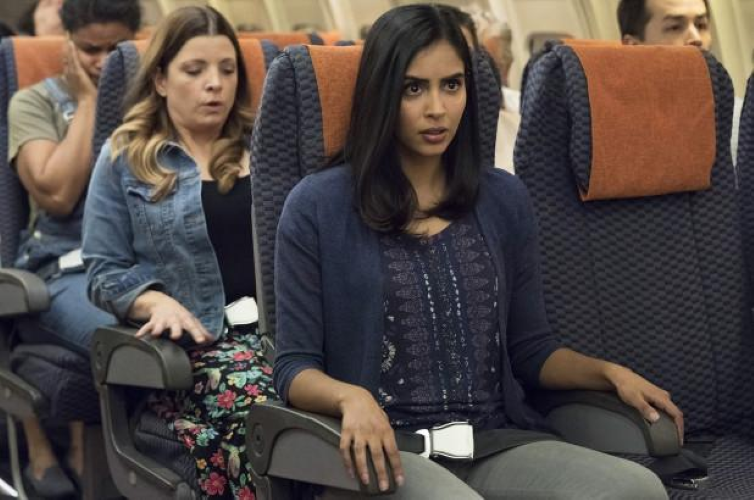
The seatbelt sign illuminates.
A flight attendant quickly secures the service cart.
The aircraft suddenly jolts, and for one terrifying moment, your stomach seems to float while your heart races.
Someone gasps.
Another passenger grips the armrest.
Get the SkypropreAir Free Travel Pack
Plan smarter, choose a better seat and enjoy a more comfortable long-haul journey. Enter your details below to receive the Travel Pack.
Everyone silently wonders the same thing:
“Is this airplane in danger?”
It feels frightening because your body isn’t designed to expect sudden movement at 38,000 feet.
Yet despite how violent turbulence can feel, the aircraft itself is usually experiencing something it was specifically engineered to handle.
The truth is reassuring.
Airplanes don’t shake because they’re falling apart.
They shake because they’re flying through an invisible ocean of constantly moving air.
Understanding why this happens could completely change how you experience your next flight.
The Sky Is Never Completely Still
Most people imagine the sky as empty space.
It isn’t.
The atmosphere is constantly moving.
Warm air rises.
Cold air sinks.
Jet streams race around the globe.
Mountains redirect airflow.
Thunderstorms generate powerful vertical currents.
Every airplane flies through this dynamic environment.
When the airflow changes suddenly, the aircraft moves with it.
That’s turbulence.
Imagine driving on a perfectly smooth motorway before suddenly reaching a rough section of road.
Your car shakes—not because it’s breaking—but because the surface beneath it has changed.
The same principle applies in the sky.
Related Reading: Why Do Boeing 787 Wings Bend So Much? The Science That Keeps You Safe
Why Does the Entire Airplane Shake?
Passengers often think the aircraft is struggling.
In reality, it’s responding exactly as engineers intended.
As changing air currents push against the wings, tiny adjustments occur in lift.
Those adjustments cause gentle movements up, down, left and right.
The shaking you feel is simply the aircraft adapting to constantly changing airflow.
A rigid airplane would actually be far less safe.
Modern aircraft are designed to flex because flexibility absorbs energy.
That flexibility protects the aircraft instead of placing excessive stress on its structure.
Aircraft Wings Are Designed to Bend
One of aviation’s greatest engineering achievements is something that surprises many travellers.
Aircraft wings bend.
Sometimes far more than passengers expect.
This isn’t damage.
It’s brilliant engineering.
Like a tree bending in strong winds, aircraft wings flex to absorb enormous aerodynamic forces.
Engineers intentionally design this flexibility into every modern airliner.
During certification testing, wings are bent far beyond anything they’ll experience during commercial operations.
The dramatic movement passengers sometimes notice is almost always well within safe operating limits.
You may also enjoy: What Really Happens During an Aircraft Stall?
Travel Smarter, Not Harder
If you’re planning your next trip, comparing ticket prices across multiple airlines can save hundreds of euros.
- Compare flight deals with Aviasales before booking your next journey.
Not All Turbulence Is Created Equal
Different atmospheric conditions create different types of turbulence.
Convective Turbulence
Produced by rising warm air around thunderstorms.
Pilots usually avoid these areas whenever possible.
Mechanical Turbulence
Occurs when mountains, hills or buildings disrupt airflow.
It’s commonly experienced during take-off and landing.
Clear Air Turbulence
Perhaps the most unsettling type.
There are often no clouds to warn pilots or passengers.
It frequently develops around powerful jet streams at cruising altitude.
Wake Turbulence
Every airplane leaves rotating air behind its wings.
That’s why aircraft maintain safe separation distances during take-off and landing.
Why Turbulence Feels More Violent Than It Really Is
Your senses weren’t designed for flight.
Inside an aircraft cabin, your brain lacks reliable visual references.
Even relatively small movements can feel dramatic.
Passengers often believe the aircraft has dropped hundreds of feet.
Flight data usually tells a very different story.
The actual altitude change is often surprisingly small.
It’s your body’s perception—not necessarily the aircraft’s movement—that creates much of the fear.
- Related Reading: How Aircraft Pitot Tubes Measure Airspeed—and Why They Matter
Can Turbulence Damage an Airplane?
Commercial aircraft are built specifically to withstand turbulence.
Manufacturers perform structural tests under loads far greater than aircraft encounter during everyday airline operations.
Pilots are trained extensively to manage rough air safely.
When turbulence is expected, they may:
-
Slow to the recommended turbulence penetration speed.
-
Request a smoother altitude.
-
Fly around thunderstorms.
-
Receive turbulence reports from aircraft ahead.
-
Coordinate with air traffic control.
These procedures reduce stress on both passengers and the aircraft.
Planning International Travel?
Unexpected delays, missed connections and medical emergencies can happen anywhere.
- Consider protecting your journey with SafetyWing travel insurance before your next long-haul adventure.
Why Can’t Pilots Always Avoid Turbulence?
Many passengers ask:
“If pilots know turbulence is ahead, why don’t they simply fly around it?”
Often they do.
Modern weather radar detects thunderstorms extremely well.
But not all turbulence is visible.
Clear Air Turbulence is essentially invisible to onboard weather radar.
Instead, pilots rely on weather forecasts, atmospheric models and reports from other aircraft.
Even with today’s advanced technology, some turbulence remains impossible to predict perfectly.
The Biggest Danger Isn’t the Airplane
Here’s something that surprises many travellers.
The aircraft itself usually isn’t the greatest risk.
Loose objects are.
Passengers walking around.
Hot coffee.
Laptops.
Phones.
Cabin baggage.
Most turbulence injuries occur because people or objects aren’t secured.
That’s why pilots recommend keeping your seatbelt fastened throughout the flight—even when the seatbelt sign is turned off.
It’s one of the simplest and most effective safety habits you can adopt.
Flying Long-Haul Soon?
Before your next flight, read our complete comfort guides:
These articles explain the science behind a safer, more comfortable flying experience.
Will Technology Eventually Eliminate Turbulence?
Researchers are already developing remarkable new technologies.
Artificial intelligence.
Satellite weather monitoring.
Machine learning.
Laser-based atmospheric sensors.
Future aircraft may detect invisible turbulence much earlier than today’s systems.
Some experimental flight-control technologies are even designed to reduce how much turbulence passengers actually feel inside the cabin.
Although no aircraft will ever eliminate atmospheric movement entirely, tomorrow’s flights could become noticeably smoother.
The Next Time Your Flight Begins to Shake… Remember This
Turbulence feels dramatic because humans naturally fear losing control.
But every modern commercial airliner is built with this exact challenge in mind.
Its wings flex.
Its structure absorbs energy.
Its pilots train repeatedly for these situations.
Its designers expect the atmosphere to move.
The shaking isn’t evidence that something is wrong.
It’s evidence that the airplane is doing exactly what it was engineered to do.
The next time your drink ripples across the tray table and the cabin begins to bounce, remember:
You’re not witnessing an aircraft struggling.
You’re witnessing world-class engineering working exactly as intended.
Frequently Asked Questions
Can turbulence break an airplane?
Commercial aircraft are certified to withstand forces much greater than the turbulence encountered during normal airline operations.
Why does turbulence feel worse at the back of the airplane?
The rear of the aircraft is farther from its centre of gravity, meaning movements are often amplified slightly, making bumps feel stronger.
Should I keep my seatbelt fastened even when the sign is off?
Yes. Aviation safety experts recommend remaining buckled whenever you’re seated because unexpected turbulence can occur without warning.