
The Creeping Airline Technology Making Passengers Uneasy — And Why Travelers Are Starting to Notice
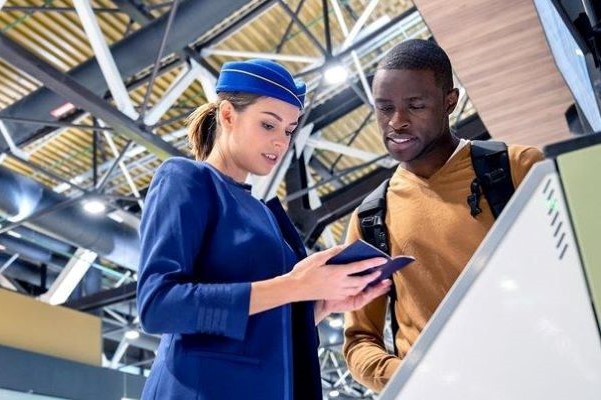
A woman walks through the airport without showing a passport.
A camera scans her face.
A gate opens automatically.
An algorithm verifies her identity in seconds.
No conversation.
No human interaction.
No explanation.
Just silent technology watching her every move.
For years, airlines promised passengers that smarter airports would make travel easier. Faster boarding. Shorter security lines. Personalized cabins. AI-powered convenience.
Get the SkypropreAir Free Travel Pack
Plan smarter, choose a better seat and enjoy a more comfortable long-haul journey. Enter your details below to receive the Travel Pack.
And in many ways, it has.
But something else is quietly happening inside modern air travel.
Passengers are beginning to feel uneasy.
Not because of turbulence.
Not because of delays.
But because flying increasingly feels like entering a system that knows too much.
Across airports and aircraft cabins, invisible technology is rapidly expanding:
-
facial recognition
-
behavior-tracking systems
-
AI-driven pricing
-
smart seats
-
predictive passenger monitoring
-
biometric boarding
Most travelers barely notice it.
But emotionally, many can feel it.
Flying is becoming less human.
And for some passengers, that feeling is deeply uncomfortable.
Airports Are Quietly Becoming Surveillance Spaces
Modern airports no longer simply move people.
They study them.
Many major international airports now use advanced biometric systems that scan passengers at multiple stages of travel:
-
terminal entry
-
security checkpoints
-
immigration
-
boarding gates
The goal is efficiency.
But to passengers, the experience can feel strangely dystopian.
One moment you are walking toward your gate.
The next, cameras are identifying you before you even speak.
For some travelers, this feels futuristic.
For others, it feels invasive.
And the discomfort grows because most passengers do not fully understand where that data goes, who stores it, or how long it remains in the system.
That uncertainty creates psychological tension.
Especially in an environment where passengers already feel vulnerable.
Related SkypropreAir reads:
-
“Facial Recognition at Airports: Convenience or Surveillance?”
-
“The Creeping Airport Technology Many Passengers Barely Notice”
-
“Why Modern Airports Feel More Emotionally Draining Than Ever”
Many Travelers Now Believe Airlines Are ‘Watching’ Their Searches
You search for a flight once.
The price seems normal.
You check again later.
Suddenly it is more expensive.
That experience has made many travelers deeply suspicious of airline pricing systems.
Modern airlines and booking platforms now use AI-driven systems that analyze enormous amounts of consumer behavior:
-
travel demand
-
booking urgency
-
seasonal trends
-
browsing behavior
-
purchasing patterns
Whether every price jump is directly tied to individual searches is debated.
But emotionally, passengers increasingly feel like the system is studying them.
That changes how people book travel.
Many travelers now:
-
use incognito browsers,
-
clear cookies,
-
compare prices across devices,
-
delay purchases strategically.
Not because they fully understand the algorithms.
But because they no longer fully trust them.
The Future Cabin May Know More About You Than Ever Before
The next generation of airline cabins is being built around data.
Airlines are exploring technologies like:
-
biometric seat sensors,
-
posture tracking,
-
personalized lighting systems,
-
AI-generated entertainment recommendations,
-
sleep monitoring,
-
movement analytics.
Some concepts even discuss monitoring passenger stress levels during flights.
On the surface, this sounds helpful.
Who would not want a more comfortable long-haul experience?
But many passengers are beginning to ask an uncomfortable question:
At what point does comfort become surveillance?
A seat adjusting automatically to improve comfort feels convenient.
A seat analyzing your behavior starts feeling different.
Especially during long-haul flights where passengers are already physically and emotionally exhausted.
Related SkypropreAir reads:
Modern Airports Feel More Efficient — But Emotionally Colder
Something subtle has disappeared from flying.
Human interaction.
Today’s airports increasingly rely on:
-
self-check-in kiosks,
-
automated bag drops,
-
AI chatbots,
-
digital gates,
-
contactless systems.
The process is smoother.
But also colder.
Passengers may move through airports faster than ever while feeling more emotionally disconnected than ever before.
Frequent travelers often describe modern terminals as strangely robotic:
crowded, yet emotionally empty.
The small human moments that once eased travel stress are slowly disappearing:
-
a reassuring smile at check-in,
-
conversation during boarding,
-
empathy during delays.
And when systems fail, passengers often discover how difficult it can be to reach an actual human being.
Technology improves efficiency.
But it cannot fully replace emotional reassurance.
Passengers Are Becoming Data Profiles Instead of Travelers
Perhaps the biggest psychological shift is invisible.
Airlines increasingly operate through predictive systems that profile passenger behavior.
Modern aviation technology can analyze:
-
spending habits,
-
loyalty patterns,
-
travel frequency,
-
route choices,
-
upgrade likelihood,
-
disruption behavior.
The result?
Passengers increasingly feel categorized instead of understood.
Some travelers now fear that flying is slowly becoming a fully monitored behavioral ecosystem where algorithms determine:
-
pricing,
-
service levels,
-
offers,
-
boarding treatment,
-
customer prioritization.
Most people cannot explain exactly how these systems work.
But they can feel the growing lack of transparency.
The Privacy Tradeoff Is Happening Slowly — Which Is Why Many People Barely Notice
If airports had introduced full biometric surveillance overnight years ago, public backlash would have been enormous.
Instead, the changes arrived gradually.
One facial scan at boarding.
One biometric checkpoint.
One app permission.
One “optional” identity verification system.
Over time, passengers adjusted.
That is how creeping technology works.
Not through dramatic change.
But through quiet normalization.
The Next Five Years Could Change Flying Completely
Experts believe future airports could introduce:
-
biometric-only terminals,
-
AI-generated customer profiling,
-
predictive passenger movement systems,
-
voice-recognition boarding,
-
personalized digital advertising during travel,
-
emotion-detection experiments,
-
fully automated airport processing.
For younger travelers raised around digital systems, some of this may feel normal.
But many passengers are quietly asking difficult questions:
-
How much monitoring is too much?
-
What happens to travel privacy?
-
Will flying eventually feel emotionally exhausting rather than exciting?
How Smart Travelers Can Protect Their Privacy While Flying

6
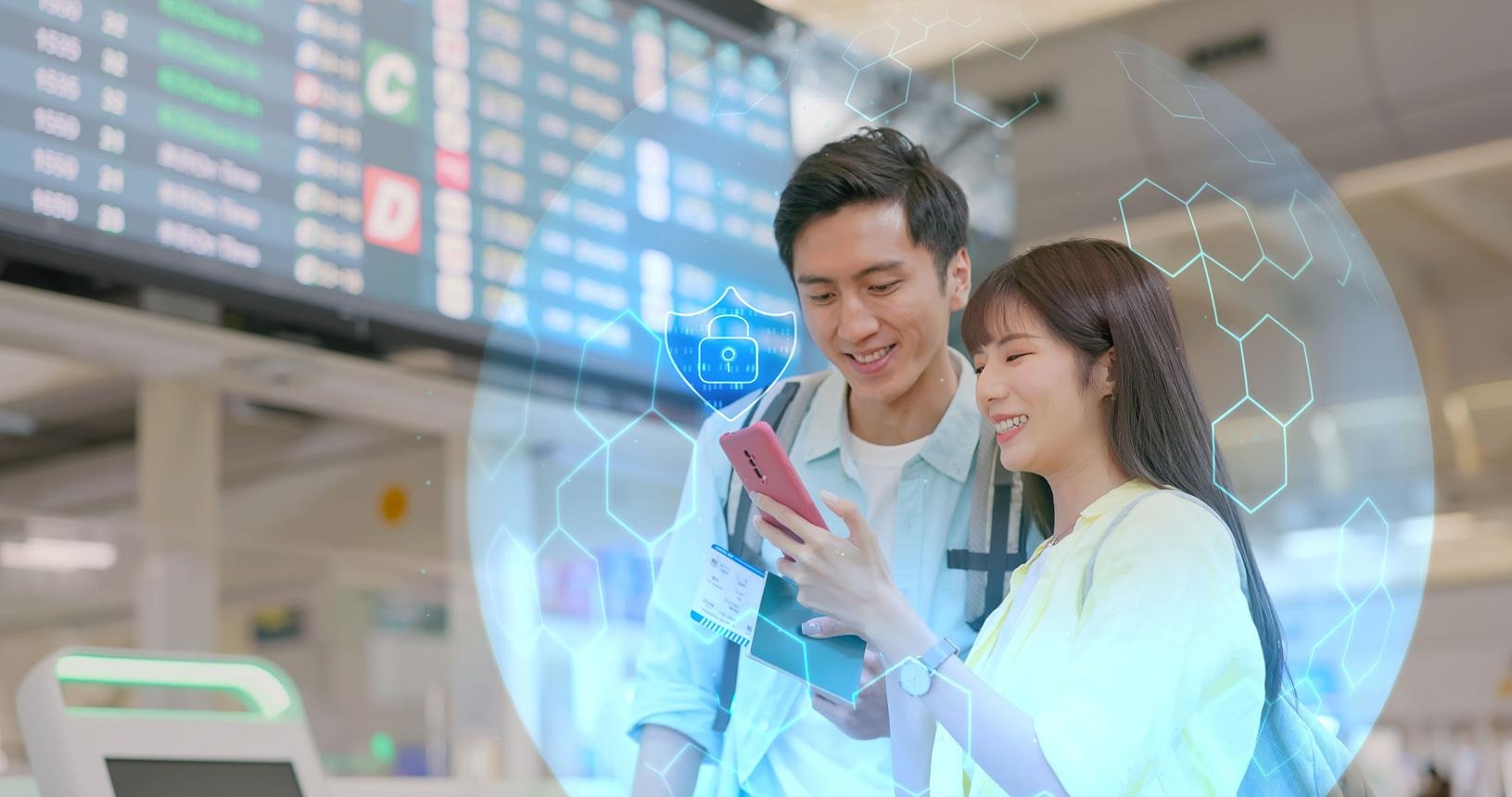
Many travelers are now becoming more intentional about protecting their digital privacy during trips.
Some common strategies include:
-
limiting unnecessary app permissions,
-
reviewing airline privacy settings,
-
using digital wallets carefully,
-
monitoring loyalty-program data sharing,
-
avoiding public airport Wi-Fi without protection.
For travelers flying internationally frequently, travel-focused cybersecurity and insurance coverage is becoming increasingly important.
Travel protection recommendation:
If you travel often, especially internationally, many frequent flyers now use SafetyWing for flexible travel medical and digital nomad coverage while moving between countries.
Cheap flight comparison tool:
For comparing international airfare across multiple airlines and routes, many travelers also use Aviasales to track fare changes and discover lower-cost flight options.
Conclusion: Passengers Still Want Human Travel


7
Most travelers will continue using modern airline technology because it is becoming unavoidable.
And honestly, much of it is genuinely useful.
But beneath the convenience, a deeper emotional tension is growing.
Passengers appreciate speed.
They appreciate innovation.
Yet many quietly fear a future where every movement is monitored, every preference analyzed, and every interaction automated.
That is why the airlines that succeed in the future may not simply be the most technologically advanced.
They may be the ones that still make passengers feel human.
Because no matter how smart airports become…
People still want travel to feel personal.
Suggested FAQs
1. Why are airlines using facial recognition technology?
Airlines and airports use facial recognition to speed up boarding, improve security, reduce wait times, and streamline passenger verification processes.
2. Are smart airline cabins collecting passenger data?
Some modern aircraft technologies can collect operational and passenger-related data, including seat usage, movement patterns, and comfort preferences, depending on the airline and system used.
3. Is airline technology making travel less personal?
Many travelers believe increased automation has reduced human interaction during flying, making airports and flights feel more efficient but emotionally colder.