
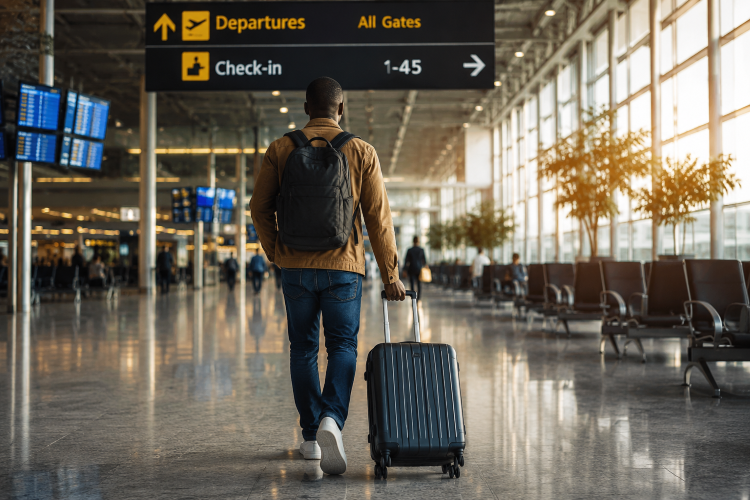
The Emotional Side of Flying Alone Most People Never Talk About
The Journey Begins Long Before the Aircraft Takes Off
You find your seat.
No familiar face smiles back.
No one asks if you’re comfortable.
No shared excitement. No conversation. No distractions.
Just you.
Get the SkypropreAir Free Travel Pack
Plan smarter, choose a better seat and enjoy a more comfortable long-haul journey. Enter your details below to receive the Travel Pack.
Outside the window, airport lights shimmer against the darkness as hundreds of people hurry toward their own destinations. Around you, families laugh. Couples lean against each other. Friends exchange holiday plans.
And then something unexpected happens.
The silence begins to speak.
For many people, flying alone isn’t simply about traveling without company. It’s an emotional experience that exposes thoughts, memories, fears, hopes, and dreams that everyday life usually keeps buried.
It’s one of aviation’s least discussed experiences—and perhaps one of its most powerful.
Flying Alone Changes Your Mind Before It Changes Your Location
Most travelers prepare for passports, luggage, and boarding passes.
Very few prepare emotionally.
The moment you’re alone in an airport, every decision becomes yours.
Where to sit.
What to eat.
When to board.
Who to speak to.
Without realizing it, you’re no longer following someone else’s rhythm.
You’re following your own.
Psychologists often describe solo travel as an exercise in personal autonomy. Without the familiar reassurance of companions, the brain becomes more aware of its surroundings while also turning inward.
For many people, that inward journey becomes just as significant as the flight itself.
Related Reading: The Boarding Process Is More Psychological Than Most Travelers Realise explores how the airport experience begins influencing your emotions long before departure.
Planning your own solo adventure?
Compare fares across hundreds of airlines with Aviasales to find the best value before you book your next journey.
Why Airports Can Feel Surprisingly Emotional
Airports exist between two lives.
One you’re leaving.
Another you haven’t reached.
That strange “in-between” feeling creates a psychological state known as a transition phase.
You’re no longer fully connected to yesterday.
You’re not yet living tomorrow.
It’s a rare moment when everyday routines disappear.
Without work emails, household chores, or constant responsibilities, the mind finally has space to wander.
Sometimes that’s peaceful.
Sometimes it’s uncomfortable.
Sometimes it’s both.
Silence Makes Hidden Thoughts Much Louder
Daily life is filled with noise.
Phones vibrate.
Meetings interrupt.
Television fills the background.
Social media occupies every spare minute.
Inside an aircraft, especially during a long-haul flight, much of that disappears.
Once the cabin settles into its quiet rhythm, many solo travelers discover something unexpected.
Their own thoughts become impossible to ignore.
Some remember loved ones.
Some replay old conversations.
Others rethink careers, relationships, or major life decisions.
Many people later describe important personal breakthroughs happening somewhere above the clouds.
You may also enjoy: Why the Sound of Airplane Engines Feels Comforting to Some People, where we explore why the constant hum of jet engines helps many passengers relax and reflect.
There Is a Strange Freedom in Being Anonymous
One of the hidden pleasures of flying alone is anonymity.
Nobody knows your job.
Nobody knows your past.
Nobody expects anything from you.
For several hours, you become simply another passenger heading somewhere.
That temporary loss of identity can feel incredibly liberating.
Many travelers say they feel more authentic when nobody around them knows who they are.
It’s one of the few places where people can quietly reset without explanation.
Loneliness and Solitude Are Not the Same Thing
People often confuse the two.
Loneliness is feeling disconnected.
Solitude is choosing to be alone.
Flying alone can contain both experiences.
A first-time solo traveler may initially feel isolated while boarding.
Hours later, the very same passenger may discover an unexpected sense of calm.
The difference often depends on mindset rather than circumstance.
Once people stop wishing someone else were beside them, many begin appreciating the quiet space they’ve been given.
- Solo travelers should never overlook travel insurance.
Whether you’re traveling for work, adventure, or self-discovery, SafetyWing Travel Insurance provides flexible medical and travel coverage designed for modern travelers.
Why Window Seats Feel Different When You’re Alone
Looking through an aircraft window while traveling alone creates a unique emotional perspective.
Cities shrink.
Roads disappear.
Problems suddenly seem much smaller.
Researchers studying awe have found that experiences involving vast landscapes or immense distances can temporarily reduce stress while increasing feelings of perspective.
Watching sunrise at 39,000 feet often creates exactly that effect.
For a few minutes, everyday worries lose their usual importance.
Continue Reading: What Sunrise Looks Like From a Cockpit at 39,000 Feet reveals why pilots never tire of witnessing one of aviation’s most breathtaking daily spectacles.
Flying Alone Often Builds Quiet Confidence
Every successful solo journey teaches something.
You found the terminal.
You navigated security.
You handled delays.
You solved problems.
You reached another country without depending on anyone else.
These small victories accumulate.
The next trip feels easier.
Eventually, airports that once seemed intimidating become familiar territory.
Confidence rarely arrives all at once.
It grows one boarding pass at a time.
Cabin Crew Often Notice Solo Travelers More Than You Think
Experienced flight attendants quickly develop remarkable observational skills.
They often notice passengers who appear anxious, uncertain, or overwhelmed.
While every passenger receives professional service, solo travelers experiencing visible nervousness may receive a reassuring smile, extra guidance, or a brief conversation.
These small gestures matter.
A simple human connection during a long journey can completely change someone’s travel experience.
It’s another reminder that aviation isn’t only about technology.
It’s also about people caring for people.
Related Article: Why Flight Attendants Sit on Their Hands During Takeoff explains another fascinating aspect of cabin crew professionalism that most passengers never notice.
Flying Alone Can Become Surprisingly Addictive
Many travelers fear their first solo flight.
Then something unexpected happens.
They enjoy it.
Without compromises, they choose their own itinerary.
Their own pace.
Their own meals.
Their own adventures.
Many experienced travelers say that once they became comfortable flying alone, they discovered an entirely new relationship with travel itself.
The destination remained important.
But the journey became equally rewarding.
The Cabin Becomes a Place for Reflection
Long flights naturally encourage reflection.
The soft engine noise.
The dimmed cabin lights.
The endless horizon.
Few places offer several uninterrupted hours with almost no obligations.
Some people journal.
Others read.
Some simply watch the clouds.
Many return from solo journeys feeling mentally refreshed—even before the holiday has truly begun.
In an increasingly connected world, uninterrupted thinking has become surprisingly rare.
Commercial aviation accidentally provides it.
Also read: Why Economy Class Is Slowly Becoming a Different Experience Entirely to discover how today’s cabins are evolving far beyond simple transportation.
Why We Rarely Talk About These Feelings
Modern travel advice usually focuses on practical concerns.
Packing lists.
Seat selection.
Airport security.
Boarding procedures.
Those things matter.
But they overlook something equally important.
Every flight carries an emotional journey alongside the physical one.
For some people, it’s their first step after losing a loved one.
For others, it’s the beginning of a new career.
A reunion.
A fresh start.
A farewell.
A dream finally coming true.
The aircraft simply carries the body.
The heart carries everything else.
Flying Alone Is Sometimes the Journey You Didn’t Know You Needed
A solo flight won’t solve every problem.
But it creates something our busy lives rarely allow.
Space.
Space to think.
Space to heal.
Space to imagine.
Some passengers land exactly where they expected.
Others arrive somewhere emotionally different from where they departed.
Perhaps that’s the hidden magic of flying alone.
The destination changes your passport stamp.
The journey quietly changes you.
Conclusion
Flying alone is about far more than occupying a seat without a companion. It is a deeply personal experience that blends independence, vulnerability, reflection, and quiet confidence.
The next time you board an aircraft alone, remember that you’re not simply traveling from one city to another.
You may also be traveling toward a different version of yourself.
Planning Your Next Journey?
- Find the best flight deals with Aviasales before prices increase.
- Protect your trip with SafetyWing Travel Insurance for greater peace of mind wherever you fly.
Frequently Asked Questions
Why does flying alone feel so emotional?
Flying alone removes many of the distractions of daily life, allowing thoughts, memories, and emotions to surface more naturally.
Is solo flying good for mental health?
For many people, yes. It can encourage reflection, independence, confidence, and mindfulness, although everyone’s experience is different.
How can I enjoy my first solo flight?
Prepare well, arrive early, bring entertainment, embrace quiet moments, and remember that thousands of people successfully fly alone every day.
Join the Conversation
Have you ever taken a flight that changed something inside you—even though your destination stayed the same?
Share your experience in the comments below. Your story could inspire another traveler who is preparing for their very first solo journey.