
The Dirtiest Spots on a Plane (And Where You Should Never Sit)
You think your seat is clean… until you notice this
Halfway through a long-haul flight, a passenger beside you folds down their tray table.
There’s a faint stain. A scratch. Maybe nothing.
Then you realize:
Someone ate there. Someone slept on it. Someone possibly changed a baby diaper on it.
And just like that, the illusion of a “clean cabin” disappears.
This is the part airlines don’t advertise — not because they’re hiding something sinister, but because modern turnaround times don’t allow deep cleaning between flights.
What you’re sitting in is quickly refreshed… not fully sanitized.
Get the SkypropreAir Free Travel Pack
Plan smarter, choose a better seat and enjoy a more comfortable long-haul journey. Enter your details below to receive the Travel Pack.
If you want the full breakdown of how to choose the cleanest, most comfortable flights, start here:
→ /long-haul-comfort-guide/ (Your SkypropreAir pillar page)
The Real Hygiene Map of Your Seat
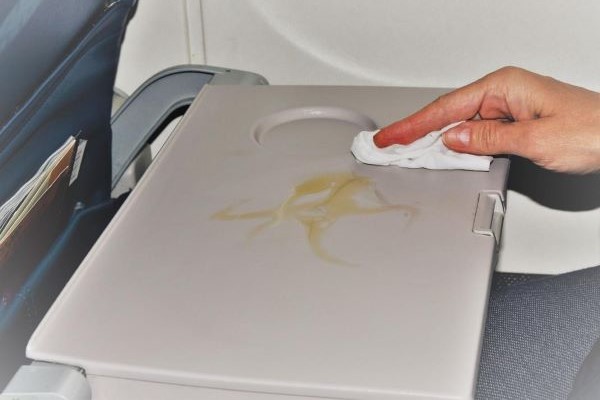
1. Tray Tables — The Dirtiest Surface in Your Row
If you eat on a plane (and you probably will), this is your biggest exposure point.
-
Some tests show tray tables carry more bacteria than airplane toilets
-
Rarely disinfected properly between flights
-
Used for food, drinks, laptops — and sometimes worse
SkypropreAir move: Always wipe it before you touch anything else.
Related:
-
→ /cabin-air-pressure-humidity-
guide/ (Why surfaces matter more than air quality) -
→ /why-some-flights-feel-worse-
than-others/ (What passengers misunderstand about comfort)
2. Seatback Pockets — The Silent Problem
This one surprises people.
-
Cleaning crews often skip them unless visibly dirty
-
Used for tissues, used wipes, leftover food, even diapers
-
Fabric interiors allow bacteria to linger longer
Never put your phone, passport, or headphones inside.
Related:
3. Lavatory Touchpoints — High Traffic Zones
Yes, airplane bathrooms are cleaned — but volume matters.
-
Dozens of passengers per hour
-
Flush buttons, locks, and taps are touched constantly
-
High concentration of contact-based bacteria
Use a tissue when touching surfaces — and sanitize immediately after.
Related:
4. Armrests & Seatbelt Buckles — Constant Contact
You’re sharing these with everyone who sat there before you.
-
Touched hundreds of times across multiple flights
-
Rarely deep-cleaned
-
Easily transfer bacteria to hands → face
This is why people get sick after flights — not from the air, but from touching → eating → touching face.
Related:
5. Screens, Air Vents & Buttons — The Forgotten Surfaces
These look clean — but they’re used constantly.
-
Seatback screens = shared touchscreens
-
Air vents adjusted by every passenger
-
Almost never wiped thoroughly between flights
If you touch it, assume it’s not clean.
Related:
Where You Should Never Sit (If You Care About Hygiene)
Aisle Seats
-
Highest contact exposure
-
Passing passengers touch your seat
Seats Near Lavatories
-
More traffic = more germs
Rear Cabin Rows
-
Higher usage density
Best seat for hygiene: Window seat, mid-cabin, away from toilets
Deep dive:
The Surprising Truth About Cabin Air
The air you breathe on modern aircraft like the Boeing 787 Dreamliner or Airbus A350 is actually cleaner than you think, thanks to HEPA filtration.
The real risk isn’t the air.
It’s what you touch — and what you do after.
Full explanation:
Chudi’s Seat Strategy (SkypropreAir Edge)
If you’re flying long-haul and want both comfort and hygiene:
-
Book a window seat
-
Avoid last rows near lavatories
-
Wipe down:
-
Tray table
-
Armrest
-
Screen
-
Build your full strategy here:
→ /long-haul-comfort-guide/
Smart Booking Move
Before you even board, reduce your exposure:
Use Aviasales to:
-
Choose better seat positions early
-
Avoid rear cabin clustering
-
Compare aircraft types for cleaner layouts
For long-haul protection:
Consider SafetyWing
Because if there’s one place people pick up minor illnesses — it’s mid-flight.
FAQs
1. What is the dirtiest spot on an airplane?
Tray tables are consistently ranked the dirtiest surface due to high bacteria levels and limited cleaning between flights.
2. Is it safer to sit by the window or aisle?
Window seats are generally safer from a hygiene perspective because they reduce contact with passing passengers.
3. How do I protect myself from germs on a plane?
Use disinfectant wipes on high-touch areas, sanitize your hands regularly, and avoid placing personal items in seatback pockets.