
Why Pilots Divert Immediately When Smoke Appears Onboard
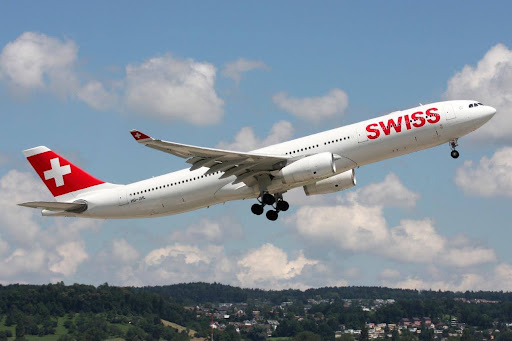
A SWISS Airbus A330 recently diverted after smoke was detected onboard. Discover why even a small amount of smoke is treated as one of aviation’s most serious emergencies.
One Smell. One Decision. One Airport.
That is exactly what happened recently when SWISS Flight LX16, an Airbus A330 travelling from Zurich to New York, diverted safely to Bangor International Airport, Maine, after smoke was reported onboard. Thankfully, all 208 passengers and crew landed safely, and emergency inspections found no evidence of an active fire.
The Hidden Safety Procedures Behind Every Smoke Emergency Onboard
What Causes Smoke on an Aircraft?
How Flight Crews Respond to Smoke Emergencies
Why an Immediate Diversion can Save Lives
Smoke onboard an aircraft is one of the most serious emergencies a flight crew can face
Pilots are trained to treat it as such from the very first sign.
Even a faint smell or thin wisp of smoke triggers an immediate response.
Pilots immediately don their oxygen masks.
Get the SkypropreAir Free Travel Pack
Plan smarter, choose a better seat and enjoy a more comfortable long-haul journey. Enter your details below to receive the Travel Pack.
Run the emergency check list.
Begin preparing for a diversion to the nearest airport.
There’s no “wait and see” in the cockpit when smoke is involved.
What starts as a minor irritant can escalate into a fire within minutes.
But why would an aircraft carrying hundreds of people interrupt an international journey over what might turn out to be nothing?
The answer lies in one of aviation’s most important safety principles.
Related Reading: If you’ve ever wondered how pilots prepare for emergencies before a flight even begins, read “The Most Dangerous Phase of Every Flight.”
In Aviation, Smoke Is Never “Just Smoke”
Unlike a house or office building, an aircraft is a sealed environment flying at more than 35,000 feet.
There is nowhere to evacuate.
There is nowhere to escape.
If smoke onboard begins filling the cabin or cockpit, crews cannot afford to wait until they know exactly what’s causing it.
Instead, they assume the worst and work backwards.
Every second counts.
That conservative mindset has saved countless lives throughout aviation history.
Many passengers are surprised to learn that the cabin’s emergency systems—including oxygen masks—are specifically designed to buy valuable time during situations like this.
👉 Read next: The Hidden Science Behind Aircraft Oxygen Masks
✈️ Planning Your Next Flight?
Whether you’re travelling for business or a holiday, compare fares across hundreds of airlines before booking.
👉 Find the best flight deals with Aviasales before you travel.
Why Pilots Never Wait for Proof of a Fire
Many passengers assume pilots divert only when flames are visible.
In reality, the decision often happens long before anyone sees a fire.
Smoke can indicate:
- Electrical wiring failures
- Overheated electronic equipment
- Air-conditioning malfunctions
- Lithium battery failures
- Burning insulation
- Hidden fires behind cabin panels
Some of these faults can remain invisible for several minutes before becoming dangerous.
Waiting for confirmation could waste the precious time needed to land safely.
This proactive approach is one of the reasons commercial aviation remains one of the safest ways to travel.
The Cockpit Immediately Switches Into Emergency Mode
When smoke onboard is reported, pilots follow carefully rehearsed emergency procedures.
These include:
- Identifying the location of the smoke
- Wearing oxygen masks if necessary
- Running smoke and fire checklists
- Contacting air traffic control
- Declaring an emergency if required
- Choosing the nearest suitable airport
These actions are practised repeatedly in flight simulators throughout a pilot’s career.
Nothing is left to guesswork.
Why Bangor Was the Right Choice
Some passengers wondered why the aircraft landed in Bangor, Maine, instead of continuing to New York.
The answer is simple.
Bangor is one of North America’s most strategically located airports for transatlantic diversions.
It offers:
- Long runways suitable for wide-body aircraft
- Highly trained emergency response teams
- Modern maintenance facilities
- A location close enough to minimise flying time during an emergency
When safety is involved, the nearest suitable airport is almost always the safest choice.
What Passengers Usually Don’t See
While passengers remain seated, a remarkable amount of coordination is taking place.
Air traffic controllers clear surrounding aircraft.
Airport firefighters prepare for arrival.
Medical teams stand by.
Engineers are alerted before the aircraft even lands.
Every organisation involved works from rehearsed emergency plans designed to protect lives first and investigate later.
If an evacuation ever became necessary, cabin crew are trained to empty a fully loaded aircraft in just 90 seconds.
👉 You may also enjoy: What Happens During an Aircraft Evacuation at Night?
🛡️ Protect Yourself Before You Fly
Unexpected delays, diversions and missed connections can happen to any traveller.
Travel with confidence by protecting your trip with SafetyWing Travel Insurance.
What Happens After Landing?
Many people believe the emergency ends once the wheels touch the runway.
In reality, that’s only the beginning of the investigation.
Engineers inspect:
- Electrical systems
- Cockpit equipment
- Air-conditioning packs
- Wiring behind cabin panels
- Ventilation ducts
- Any signs of overheating
In the case of the recent SWISS flight, emergency responders reportedly found no active fire or excessive heat during their initial inspection.
The airline stated that a full technical examination would be carried out before determining the cause.
Why These Diversions Should Reassure Passengers
To passengers, an unexpected landing can feel frightening.
To aviation professionals, it often represents the system working exactly as designed.
Commercial aviation has become the safest form of transport partly because crews never gamble with uncertainty.
They don’t continue “just to see what happens.”
They act early.
That philosophy has prevented countless incidents from becoming tragedies.
If aviation safety interests you, you’ll also enjoy learning why power banks have become one of the biggest cabin safety concerns in recent years.
👉 Related Article: Why Power Banks Are Becoming One of Aviation’s Biggest Cabin Safety Risks
The Bigger Lesson Every Traveller Should Remember
Most emergency diversions never make headlines.
Many turn out to be false alarms.
Others reveal relatively minor technical faults.
Yet every one of them demonstrates an industry built around prevention rather than reaction.
The diversion of SWISS Flight LX16 reminds us that modern aviation safety isn’t measured by how rarely problems occur.
It’s measured by how effectively professionals respond when they do.
Sometimes the safest journey is the one that ends somewhere completely unexpected.
And that’s exactly how commercial aviation is designed to work.
✈️ Continue Exploring SkypropreAir
If you found this article helpful, continue reading:
- The Most Dangerous Phase of Every Flight
- Why Flight Attendants Sit on Their Hands During Takeoff
- How Radar Really Tracks Airplanes Across the World
- Future Airplanes Could End Turbulence as We Know It
- How Airbus Went from Underdog to Aviation Giant
Before Your Next Trip
Whether you’re planning a weekend getaway or a long-haul adventure:
✅ Compare the best flight prices with Aviasales.
✅ Protect your trip with SafetyWing Travel Insurance.
A few minutes of planning today can save you money—and a lot of stress—tomorrow.
FAQs
1. Why do pilots divert immediately when smoke Appears Onboard?
Because smoke can signal a hidden fire or electrical failure. Aviation procedures require crews to treat any unexplained smoke as a potentially serious emergency.
2. Does smoke always mean there is a fire?
No. Smoke onboard can result from electrical faults, overheating equipment or ventilation issues. However, crews cannot know the exact cause immediately, so they prioritise landing safely.
3. Why don’t pilots continue to their destination if the aircraft still seems to be flying normally?
Because the situation can deteriorate rapidly. Landing at the nearest suitable airport reduces risk and allows emergency services and engineers to inspect the aircraft without delay.