
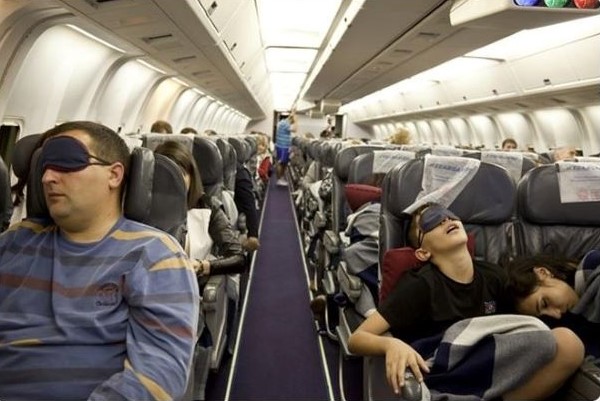
The Long-Haul Comfort Mistake Almost Everyone Makes (And Why You Feel It After Landing)
Most people board a long-haul flight thinking the secret to comfort is simple: pick the right seat.
Window for leaning.
Aisle for movement.
Extra legroom if you can afford it.
But here’s the uncomfortable truth frequent flyers quietly understand:
The biggest comfort mistake isn’t your seat choice—it’s staying still for too long once you’re in it.
And it’s the reason you step off an 8–12 hour flight feeling stiff, drained, and oddly exhausted… even if everything “looked fine” on paper.
Get the SkypropreAir Free Travel Pack
Plan smarter, choose a better seat and enjoy a more comfortable long-haul journey. Enter your details below to receive the Travel Pack.
Why This Mistake Is So Common
Modern aircraft like the Boeing 787 Dreamliner and Airbus A350 are engineering marvels—quieter cabins, better pressurization, improved humidity.
But even with those upgrades, one thing hasn’t changed:
Airplane seats are not designed for stillness over long periods.
They’re designed for:
-
Space efficiency
-
Safety regulations
-
Average passenger posture (not your posture)
So when you sit in one position for hours, your body starts working against the environment.
What’s Actually Happening to Your Body
Even if you don’t notice it immediately, here’s what builds up quietly:
-
Reduced circulation → swollen feet, heavy legs
-
Muscle stiffness → especially lower back, hips, neck
-
Spinal compression → that “compressed” feeling after landing
-
Cabin dehydration → amplifies fatigue and discomfort
If you’ve ever noticed this feeling, it ties directly into Why Flying Suddenly Feels More Exhausting and the deeper issue of cabin fatigue.
The Simple Habit Frequent Flyers Swear By
Experienced travelers don’t rely on the “perfect seat.”
They rely on one rule:
Never let your body stay in the same position for too long.
That means:
-
Adjusting your seat slightly every 30–60 minutes
-
Switching leg positions regularly
-
Rolling your shoulders or stretching subtly
-
Standing or walking when it’s safe
This approach overlaps with The Tiny Comfort Habit Frequent Flyers Swear By—small, consistent adjustments that quietly transform long flights.
Tiny Comfort Tweaks That Change Everything
These small adjustments are what separate comfortable flyers from exhausted ones:
-
Use improvised lumbar support (hoodie or pillow)
-
Elevate your feet slightly (even your carry-on helps)
-
Stay quietly hydrated (not just when you feel thirsty)
-
Do micro-movements (ankle rolls, foot flexes, posture shifts)
Want to go deeper? These strategies also support How To Fly Comfortably Without Business Class—one of the most-read comfort guides on SkypropreAir.
The Seat Still Matters—But Less Than You Think
Yes, seat choice plays a role.
If you’re still booking flights, it’s worth checking smarter options early—especially if you want to avoid common pitfalls like The One Booking Mistake That Guarantees an Uncomfortable Flight.
For flexible route comparisons and better seat availability, you can browse options on
→ Aviasales flight search
But here’s the key insight:
Even the best seat won’t save you from hours of stillness.
A Smarter Way to Think About Long-Haul Comfort
Most travelers think comfort is something you buy.
Frequent flyers know it’s something you manage.
That’s also why topics like The Hidden Science Behind Cabin Fatigue are gaining attention—because they explain why these small habits matter so much.
And that shift changes everything:
-
Less fatigue
-
Better sleep
-
Easier arrivals
If you’re planning a long trip, it’s also worth protecting yourself against delays, fatigue-related disruptions, or unexpected issues with flexible coverage like
→ SafetyWing travel insurance
The Real Takeaway
The worst long-haul mistake isn’t choosing the wrong seat. It’s treating a long flight like a static experience.
Your body needs movement—even at 35,000 feet.
Once you understand that, flying doesn’t just feel easier…
It feels different.
FAQs
1. Is it better to sit still to rest or move during a long flight?
Light, regular movement is far better. Staying still too long increases stiffness and fatigue—even if you’re trying to sleep.
2. How often should I move on a long-haul flight?
Aim to adjust your position every 30–60 minutes, with occasional standing or short walks when safe.
3. Does seat choice still matter for comfort?
Yes—but it’s secondary. Movement, posture, and hydration have a bigger impact over long durations.