
Why Airlines Want You Uncomfortable (And Why It’s Getting Worse)
The Moment You Realize Something Feels Off
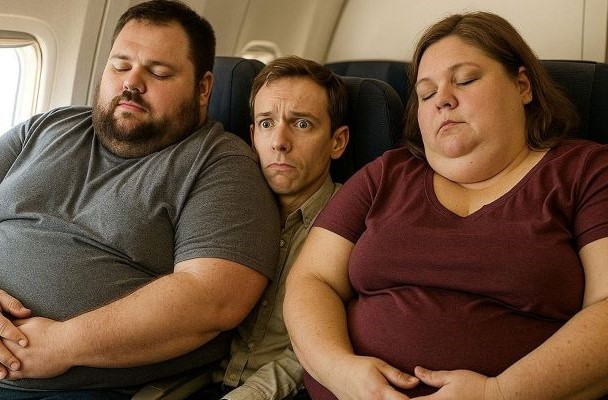
You sit down, adjust your legs… and immediately hit the seat in front of you.
You try to recline—barely anything happens.
Your elbows compete for space.
And within minutes, you’re shifting, adjusting, negotiating with your own body.
It doesn’t feel like an accident anymore.
And that’s because, in many ways, it isn’t.
The Real Strategy Behind Airline Discomfort
Here’s the uncomfortable truth: modern airline cabins are not designed for maximum comfort—they’re designed for maximum revenue efficiency.
Get the SkypropreAir Free Travel Pack
Plan smarter, choose a better seat and enjoy a more comfortable long-haul journey. Enter your details below to receive the Travel Pack.
Airlines have mastered a subtle balance:
-
Not uncomfortable enough to stop you booking
-
But uncomfortable enough to make you consider paying more next time
That gap?
That’s where billions are made.
1. Economy Class Is the “Teaser Product”
Economy isn’t the final product—it’s the entry point.
Once onboard, discomfort nudges passengers toward:
-
Extra legroom seats
-
Premium economy upgrades
-
Business class for future trips
This is why articles like “How to Fly Comfortably Without Business Class” are exploding in popularity—passengers are actively trying to escape the baseline experience without overspending.
2. More Seats = More Profit (It’s That Simple)
On aircraft like the Boeing 737 and Airbus A320, even a tiny reduction in legroom can allow airlines to add extra rows.
And those extra seats mean:
-
More tickets sold per flight
-
Lower cost per passenger
-
Higher overall profit margins
Comfort is traded for capacity, and capacity wins almost every time.
3. Discomfort Makes Premium Feel Luxurious
Ever notice how premium economy suddenly feels amazing—even though it’s not that different?
That’s not accidental. It’s psychology.
By making economy restrictive:
-
Premium feels spacious
-
Business class feels like a dream
-
Upgrades feel justified
This is the same reason “Premium Economy Is a Trap” resonates with so many travelers—it sits right in that engineered middle ground.
4. Airlines Know You’ll Tolerate It
Here’s what airlines understand better than anyone:
Most people will accept discomfort for a cheaper fare.
Even if:
-
The seat is tighter
-
The flight feels more exhausting
-
The experience is less enjoyable
As explored in “Why Flying Suddenly Feels More Exhausting”, the cumulative effect of these small discomforts is what’s making flying feel worse overall.
But passengers keep booking—because price still wins.
5. The “Unbundling” Illusion
Airlines didn’t just reduce comfort—they repackaged it.
What used to be included is now sold separately:
-
Seat selection
-
Checked baggage
-
Meals
-
Even decent legroom
So the ticket looks cheap…
But the comfortable experience costs extra.
If you’ve ever searched for ways around this, you’re not alone—guides like “How to Get an Empty Seat Next to You on a Flight” exist for a reason.
6. The Result: A Carefully Engineered Experience
Put it all together, and you get a system where:
-
Economy is just tolerable
-
Comfort is strategically limited
-
Upgrades are psychologically compelling
Airlines don’t need you to suffer.
They just need you to feel… slightly dissatisfied.
How to Outsmart the System (Without Overspending)
-
Choose flights strategically
Use Aviasales flight search to spot aircraft types and seat maps—small differences matter. -
Protect your travel experience
Delays, discomfort, and disruptions happen—SafetyWing travel insurance helps reduce the financial stress when they do. -
Pick your seat wisely
Exit rows, bulkheads, and low-density sections can dramatically improve comfort—without upgrading.
SkypropreAir Insight
Airlines aren’t trying to punish passengers—they’re optimizing behavior.
And right now, discomfort is one of their most effective tools.
The smartest travelers aren’t the ones who pay the most…
They’re the ones who understand the system—and work around it.
FAQs
1. Do airlines intentionally make seats uncomfortable?
Not directly—but they design cabins to maximize revenue, which often results in reduced comfort as a side effect.
2. Why don’t airlines just increase ticket prices instead?
Because lower headline prices attract more bookings. Comfort is then monetized separately through upgrades and add-ons.
3. Is flying getting less comfortable over time?
Yes—gradually. Seat pitch has reduced, cabins are denser, and more services are unbundled, making the overall experience feel tighter and more exhausting.