
Why Some Airplane Seats Feel More Tiring Than Others (And Why You Always Notice Too Late)
You don’t notice it at first…
Boarding feels smooth. You settle in, adjust your bag, maybe even think, this won’t be so bad.
But somewhere mid-flight, your body starts negotiating with you.
Your legs ache. Your back stiffens. Sleep becomes impossible.
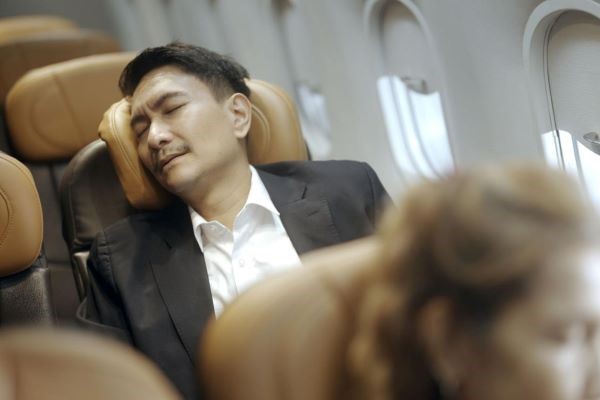
And then you see it—someone a few rows ahead, completely relaxed, maybe even asleep.
Same flight. Same cabin.
Different seat. Different outcome.
Get the SkypropreAir Free Travel Pack
Plan smarter, choose a better seat and enjoy a more comfortable long-haul journey. Enter your details below to receive the Travel Pack.
The uncomfortable truth: not all seats are created equal
Airplane fatigue isn’t random—it’s engineered. Subtle differences in seat design and location can quietly determine how you feel after 6+ hours in the air.
1. The legroom trap (why inches matter more than you think)
Most travellers underestimate seat pitch—until it’s too late.
When your knees are locked into a fixed position:
-
Blood flow slows
-
Muscles stiffen
-
Your body enters a low-level stress state
Even 2–3 extra inches can be the difference between stepping off refreshed—or limping through arrivals.
Related: “The One Seat Zone Most Passengers Regret Choosing”
Smart move: Before booking, compare seat layouts and availability
(Find better seat options and routes easily with Aviasales — where small upgrades make a big difference.)
2. Why narrow seats quietly exhaust you
It’s not just about fitting in—it’s about how your body adapts.
Narrow seats force:
-
Shoulders inward
-
Spine into a curved position
-
Constant micro-adjustments
You may not notice it immediately, but over time, it drains your energy fast.
3. The padding illusion (why some seats feel “dead”)
Modern slimline seats are designed for efficiency—not endurance.
What happens after a few hours:
-
Cushion compression increases pressure points
-
Lower back loses support
-
You start shifting every few minutes
Related: “The Hidden Reason Economy Class Feels So Uncomfortable”
4. Seat location: the silent fatigue multiplier
Where you sit matters just as much as the seat itself.
-
Near lavatories: constant foot traffic + noise
-
Near galleys: light, chatter, and movement
-
Last rows: limited recline + higher disturbance
-
Over the wings: smoother ride, but sometimes tighter layouts
Related: “The Worst Rows on a Plane Ranked”
5. Recline (or lack of it) changes everything
Reduced recline angles in newer aircraft mean:
-
More pressure on your spine
-
Less ability to shift into a resting posture
-
Faster onset of fatigue
This is why some seats feel “fine” at takeoff—but unbearable by hour five.
6. The psychology of comfort (why window seats often win)
Not all comfort is physical.
Window seats give you:
-
A surface to lean on
-
Fewer interruptions
-
A sense of control over your space
Aisle seats? More freedom—but also:
-
Constant bumps
-
Sleep interruptions
-
Subtle mental fatigue
Related: “Why Some Travellers Refuse to Fly Overnight Again”
The SkypropreAir insight
The most tiring seats aren’t always the cheapest—they’re the ones that quietly restrict your body without you realizing it.
That’s why experienced travellers don’t just book flights.
They engineer their seat choice.
How to avoid the “tired seat” mistake
-
Prioritize legroom over row position when possible
-
Avoid high-traffic zones (galleys, lavatories)
-
Choose window seats for long-haul rest
-
Check seat maps before booking—not after
Pro tip: Pair a good seat with proper travel cover—unexpected delays and fatigue hit harder when you’re unprepared
(SafetyWing is a popular option among frequent travellers for flexible coverage.)
FAQs
1. Which airplane seats are the least tiring on long flights?
Seats with extra legroom (exit rows or bulkhead), good recline, and low foot traffic—especially window seats—tend to be the least tiring.
2. Why do some airplane seats feel worse than others on the same flight?
Differences in seat pitch, width, padding, and location (like proximity to galleys or lavatories) can significantly impact comfort and fatigue levels.
3. Are newer airplane seats less comfortable?
Often, yes. Many airlines use slimline seats to increase capacity, which can reduce padding and recline—leading to more fatigue over time.
Final thought
The next time you feel exhausted after a flight, don’t just blame the journey.
There’s a good chance…
it was the seat all along.