
How to Choose the Right Airline Without Overpaying (2026 Smart Traveller Guide)
Stop chasing the cheapest ticket. Start choosing the best value.
Airfares look simple on the surface until baggage fees, seat charges, aircraft swaps, and tight connections turn a “deal” into regret at 35,000 feet.
If you want to choose the right airline without overpaying, here’s the data-driven approach smart long-haul travellers actually use.
Why the Cheapest Ticket Is Often the Most Expensive Mistake
Two fares may differ by €120 but once you add:
- Checked baggage
- Seat selection
- Meals
- Airport transfer costs
- Upgrade flexibility
- …the cheaper ticket can easily become the worse value.
Before booking, compare total cost, not headline price.
Get the SkypropreAir Free Travel Pack
Plan smarter, choose a better seat and enjoy a more comfortable long-haul journey. Enter your details below to receive the Travel Pack.
You can quickly compare fare breakdowns across airlines using Aviasales to see which ticket actually includes baggage and seat selection before checkout.
And if you’re flying long haul, don’t forget basic travel protection. SafetyWing offers flexible travel medical coverage many frequent travellers use — especially useful for US routes where healthcare costs are high.
1. Check the Aircraft Type (This Changes Everything)
Not all economy cabins are equal — even on the same airline.
For example:
- Emirates’ Airbus A380 economy often feels more spacious than high-density narrow-body alternatives.
- The Boeing 787 Dreamliner offers improved cabin pressure and humidity, which can reduce fatigue.
- Some older aircraft still operate with tighter seating configurations.
Before booking, search your flight number and confirm the aircraft.
If you’re unsure why some planes feel worse than others, read our guide:
➡ Why Some Long-Haul Flights Feel Much Longer Than Others
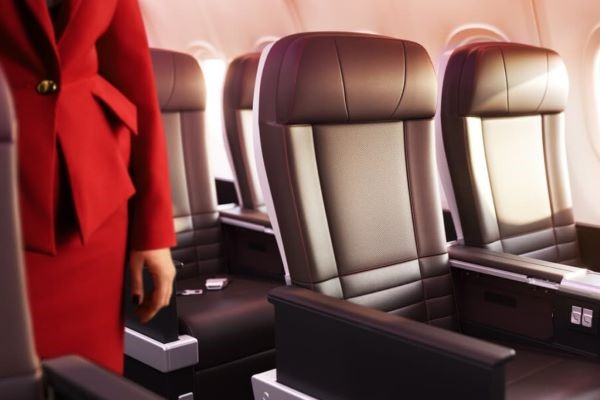
2. Compare Seat Pitch and Cabin Density
Seat pitch (legroom) varies significantly:
- 30–31 inches → Standard economy
- 32–34 inches → Noticeably more comfortable
- Below 30 inches → Tight for 8+ hour flights
Airlines like Qatar Airways and Singapore Airlines consistently score well for long-haul comfort even in economy.
But don’t rely on brand alone.
We break this down in detail here:
➡ Worst Seats to Avoid on Long-Haul Flights
➡ Premium Economy vs Economy: What You Actually Pay For
Sometimes paying slightly more for better seat pitch saves your back and your sanity.
3. Consider Reliability and Hub Strategy
Is that cheaper fare giving you:
- A 45-minute connection in winter?
- A terminal change?
- A history of delays?
Major hubs like:
- KLM via Amsterdam
- Air France via Paris
…often provide smoother transfer systems and better disruption recovery.
A €70 saving isn’t worth missing a long-haul connection.
For booking timing strategies, see:
➡ Best Time to Book Long-Haul Flights from Europe to the USA (Data Backed)
4. Don’t Overpay for “Brand Prestige”
A premium brand name doesn’t always mean better value.
For example:
- British Airways economy may include meals and baggage.
- Aer Lingus sometimes offers strong direct-route value from Dublin.
- Lufthansa may operate different cabin densities depending on aircraft.
The smart question isn’t “Which airline is best?”
It’s:
Which airline offers the best value for this specific route, aircraft, and date?
For a deeper comparison mindset:
➡ Cheapest vs Best Airlines: What Really Matters on Long-Haul Routes
5. Flight Timing Can Save More Than Airline Choice
Mid-week departures (Tuesday–Thursday) are often cheaper.
Red-eye flights:
- Tend to cost less
- Reduce airport congestion
- Speed up immigration on arrival
Sometimes the “right” airline is simply the one flying at the smarter time.
You can compare flexible date pricing on Aviasales to see how shifting your departure by 1–2 days changes the fare.
6. Read Reviews Strategically (Not Emotionally)
Every airline has negative reviews.
Instead of reading one angry post, look for patterns:
- Consistent seat comfort complaints?
- Repeated praise for crew?
- Frequent delay trends?
Data patterns matter more than isolated experiences.
For a structured evaluation approach, start here:
➡ Seat Selection Strategies That Actually Work on Long Flights
➡ Top 7 Long-Haul Economy Mistakes That Ruin Flights (And How to Avoid Them)
The Smart Airline Selection Checklist (Save This)
Before booking:
- What aircraft is operating this route?
- What is included in the fare?
- What is the seat pitch?
- How tight is the connection?
- Is there a direct option?
- Does timing affect price?
- Have I compared total cost?
Then book confidently.
Final Thought
Choosing the right airline without overpaying isn’t about chasing the lowest fare.
It’s about avoiding expensive discomfort.
The goal isn’t “cheap.”
The goal is value at 35,000 feet.
FAQs
1. Is it better to book directly with the airline or through a comparison site?
Comparison sites help you find competitive fares quickly. Booking directly can make changes and upgrades easier. Many travellers compare first, then book with the airline.
2. Are budget airlines safe for long-haul flights?
Yes. Safety standards are internationally regulated. The difference is usually comfort, baggage rules, and included services not safety.
3. Does a more expensive airline always mean better service?
No. Aircraft type, cabin configuration, and route competition often matter more than brand reputation.