
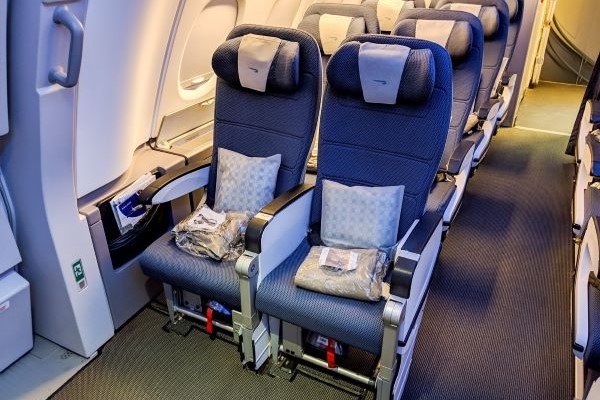
Things Airlines Don’t Tell You About Long-Haul Economy (And How Smart Travellers Fly Better)
Long-haul economy isn’t terrible.
But it isn’t neutral either.
It’s engineered for efficiency first, comfort second — and once you understand how it really works, you start flying differently.
This guide breaks down what airlines don’t openly advertise — and how to quietly optimise your next long-haul flight.
1️⃣Aircraft Type Matters More Than Airline Brand
Two passengers can fly the same airline, same route, same ticket — and have completely different experiences.
Get the SkypropreAir Free Travel Pack
Plan smarter, choose a better seat and enjoy a more comfortable long-haul journey. Enter your details below to receive the Travel Pack.
Why?
Because aircraft type changes everything.
- The Airbus A350 is known for quieter cabins and improved humidity.
- The Boeing 787 Dreamliner features lower cabin altitude and larger dimmable windows.
- Older Boeing 777 aircraft — especially in 10-abreast configuration — can feel noticeably tighter.
Airlines sell routes. They rarely promote aircraft comfort differences.
Before booking, compare aircraft types.
If you’re researching seats, our guide to Best Premium Economy Seats in 2026 and Premium Economy vs Economy: What You Actually Pay For break this down further.
When you’re ready to compare fares across aircraft types, tools like Aviasales make it easy to filter routes and options without pressure — just clearer visibility.
2️⃣Seat Width Is Shrinking (Even If Pitch Looks the Same)
Airlines advertise seat pitch.
They rarely advertise seat width.
Over the past decade:
- Many 777s moved from 9-abreast to 10-abreast layouts.
- Slimline seats reduced cushioning.
- Armrests became narrower.
On paper, the numbers look similar.
In reality, long-haul economy feels tighter.
If you’re unsure which seats to avoid, read our guide on Worst Seats to Avoid on Long-Haul Flights before selecting.
3️⃣ Cabin Air Is Extremely Dry — And It Affects You More Than You Think
Long-haul cabins typically operate at 10–20% humidity.
That’s drier than most deserts.
Why?
- Aircraft structures require controlled humidity.
- Lower moisture reduces corrosion and condensation.
Result?
- Dehydration
- Fatigue
- Headaches
- Dry skin and throat irritation
Hydration isn’t optional on long-haul it’s strategy.
If you’re flying internationally, it’s also smart to protect yourself beyond the aircraft. Platforms like SafetyWing offer flexible travel medical insurance designed for global travellers — especially useful for longer trips.
4️⃣Meal Timing Is About Logistics — Not Your Sleep
Ever been served dinner just as you were about to fall asleep?
Catering schedules are built around:
- Crew shifts
- Galley constraints
- Operational efficiency
Not individual sleep patterns.
Sometimes the best move on long-haul is:
- Eat lightly
- Skip the second service
- Protect your sleep window
For more on managing fatigue, read:
Why Some Long-Haul Flights Feel Much Longer Than Others
5️⃣The Cheapest Fare Often Means the Worst Seat
Basic economy fares may:
- Restrict seat selection
- Board last
- Limit changes
- Exclude checked baggage
By the time free seat selection opens, better seats may already be gone.
The headline price is not always the true value.
If you’re comparing fares, it’s worth checking total cost differences early. Search platforms like Aviasales allow you to see fare tiers clearly sometimes a small price jump dramatically improves comfort on 8–12 hour flights.
6️⃣Noise Is a Bigger Fatigue Factor Than Legroom
Cabin noise averages 75–85 decibels on long-haul.
Even on newer aircraft like the Dreamliner, sustained engine and airflow noise increase fatigue and reduce sleep quality.
Noise-cancelling headphones often improve long-haul comfort more than extra legroom.
7️⃣The Back of the Plane Isn’t Always the Worst
Conventional wisdom says avoid the rear cabin.
But sometimes:
- Empty rows are more likely.
- Boarding finishes faster.
- Lavatory queues are manageable.
- Turbulence feels less intense psychologically.
Seat strategy beats assumption.
If you’re planning carefully, also read:
- Seat Selection Strategies That Actually Work on Long Flights
- Top 7 Long-Haul Economy Mistakes That Ruin Flights
8️⃣Airlines Assume Most Passengers Won’t Optimise
Here’s the quiet truth:
Airline pricing models assume:
- Many passengers won’t check aircraft type.
- Many won’t analyse seat maps.
- Many won’t compare fare classes.
- Many won’t protect sleep or hydration.
The informed traveller gets a better experience at the same price.
Long-haul economy isn’t luxury — but with planning, it can be comfortable, predictable, and strategic.
How to Fly Smarter in Long-Haul Economy
 Check aircraft type before booking Compare seat maps early Consider small fare upgrades strategically Hydrate intentionally Protect sleep timing Use smart comparison tools
When planning your next long-haul journey, comparing routes early through platforms like Aviasales can help you identify better aircraft options not just cheaper tickets.
And if you’re travelling internationally, flexible medical cover from providers like SafetyWing adds peace of mind without locking you into rigid annual plans.
Small adjustments. Big difference.
FAQs
Does aircraft type really make a difference in economy?
Yes. Cabin pressure, humidity levels, seat layout, and noise vary significantly between aircraft models.
Is paying for seat selection worth it on long-haul flights?
On flights over 8 hours, strategic seat selection often improves comfort more than onboard perks.
Why do I feel so exhausted after long-haul economy flights?
Low humidity, sustained noise, disrupted sleep cycles, and reduced movement all contribute to post-flight fatigue.
Final Word from SkypropreAir
Long-haul economy doesn’t have to feel like endurance training.
The more you understand how airlines design cabins, price fares, and structure service — the more control you regain as a passenger.
And control is comfort.