
Worst Seats to Avoid on Long-Haul Flights (2026 Expert Guide)
Long-haul flights aren’t just about which airline you choose where you sit can determine whether you arrive rested or exhausted. After analysing aircraft layouts, passenger feedback, and real-world comfort data, certain seats consistently rank as the worst choices on long-haul routes.
This guide explains which seats experienced travellers avoid and how to spot them before you book.
Why Seat Choice Matters More on Long-Haul Flights
On flights lasting 8–14 hours, small discomforts compound quickly. Noise, limited recline, and poor positioning increase fatigue and make flights feel longer than they really are something we explore in detail in Why Some Long-Haul Flights Feel Much Longer Than Others.
Before locking in the cheapest ticket, it’s worth comparing aircraft types and seat layouts across airlines using Aviasales, where the same route often operates with very different cabin configurations at similar prices.
Rear-of-Cabin Seats (The Turbulence Zone)
Seats near the back of the aircraft are among the most avoided on long-haul flights.
Get the SkypropreAir Free Travel Pack
Plan smarter, choose a better seat and enjoy a more comfortable long-haul journey. Enter your details below to receive the Travel Pack.
Why they’re problematic:
- Stronger perception of turbulence near the tail
- Increased engine and airflow noise
- Last to receive meal service (and first to miss out)
- Longest wait to disembark
If turbulence or noise makes you anxious, this is the worst place to sit. Our guide to the Best Aircraft for Nervous Flyers explains why aircraft type and seat location work together to influence how calm a flight feels.
For a deeper breakdown of which jets offer the quietest ride overall, see Quietest Aircraft for Long-Haul Flights.
Seats Next to Toilets and Galleys
These seats generate some of the highest complaint rates on long-haul flights.
Common issues include:
- Constant foot traffic and queues
- Bright lights switching on during night flights
- Door slams, trolley movement, and crew chatter
- Limited or restricted recline
They may look acceptable on seat maps, but real-life experience is often far noisier and more disruptive especially on overnight flights.
Middle Seats (Especially in 3–4–3 Economy Cabins)
If there’s one universal long-haul rule, it’s this: avoid the middle seat whenever possible.
Why middle seats are the least desirable:
- No control over aisle access or window shade
- Shoulder and armrest conflicts
- Limited ability to stretch or change position
On dense layouts used by many airlines today, middle seats quickly become uncomfortable beyond the 6-hour mark. Our comparison in Premium Economy vs Economy: What You Actually Pay For shows why even a small upgrade can dramatically improve long-haul comfort.
If price is the issue, adjusting flight times or aircraft choice on Aviasales can often unlock aisle or window seats without paying more.
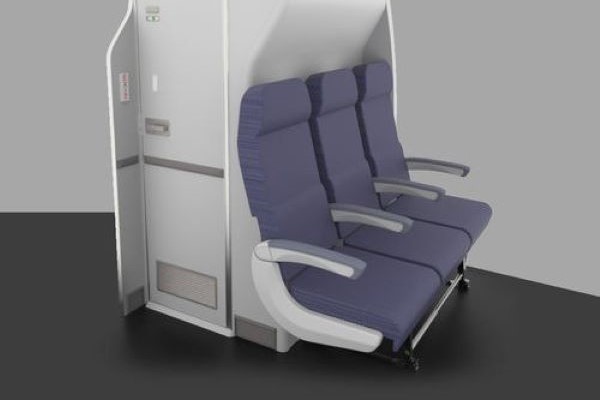
Bulkhead Seats: Extra Space, Hidden Trade-Offs
Bulkhead seats are often marketed as “better,” but they’re not automatically superior.
Things many travellers overlook:
- Fixed armrests that reduce usable seat width
- Entertainment screens stored in armrests
- No under-seat storage during take-off and landing
- Bassinet priority, meaning infants nearby
For travellers focused on sleep and quiet, bulkheads can actually feel busier than standard rows. We explore this trade-off in more detail in Is Premium Economy Worth It on Long-Haul Flights?
Last Row in Any Cabin Section
Seats in the final row of economy or premium economy are avoided by frequent flyers for good reason.
Typical downsides:
- Limited or zero recline
- Proximity to toilets and galleys
- Increased crew activity and equipment noise
If a seat looks unusually easy to select, it’s often because experienced travelers already passed on it.
Where to Sit Instead (Quick Comfort Rule)
While this guide focuses on what to avoid, the safest long-haul choices tend to be:
- Seats over the wing (more stable ride)
- Rows away from toilets and galleys
- Window or aisle seats never the middle
For a positive alternative, see Most Comfortable Economy Seats on Long-Haul Flights.
Booking Smart: Comfort Without Overspending
Many long-haul discomfort stories begin with chasing the absolute lowest fare. A smarter approach is to:
- Compare aircraft types on the same route
- Check seat maps before confirming
- Factor seat comfort into the ticket price
Aviasales makes this easier by showing multiple airlines and aircraft side by side, helping you avoid layouts with known comfort issues.
And because long-haul journeys increase the risk of delays, missed connections, and medical costs abroad, SafetyWing travel insurance provides flexible, long-term coverage without rigid trip dates ideal for frequent and extended travellers.
Frequently Asked Questions
Are exit-row seats always better on long-haul flights?
No. Some exit rows don’t recline, have immovable armrests, or sit next to galleys. Always check the specific aircraft layout.
Which part of the plane feels the least turbulence?
Seats over the wing generally feel the smoothest, as they’re closest to the aircraft’s centre of gravity.
Window or aisle: which is better for long-haul comfort?
Window seats are better for sleep and privacy; aisle seats are better for movement. Middle seats are rarely worth it.