
Why Some Long-Haul Flights Feel Much Longer Than Others (2026 SkypropreAir Guide)
You’ve probably noticed it: two flights of similar distance, yet one feels endless while the other passes far more easily. The reason isn’t imagination; long-haul flights feel longer or shorter based on a precise mix of physics, cabin design, timing, and psychology.
This SkypropreAir review explains why some long-haul journeys drag and how experienced travelers quietly avoid the worst combinations.
1. Direction of Travel: The Jet Stream Effect
One of the biggest (and most underestimated) factors is wind direction.
- Westbound flights (Europe → USA) fly against jet streams
- Eastbound flights (USA → Europe) ride strong tailwinds
This often adds 30–90 minutes westbound but more importantly, it extends fatigue and wakefulness. That extra discomfort makes the flight feel much longer.
Related: Worst Seats to Avoid on Long-Haul Flights because extra time hurts more in the wrong seat.
Get the SkypropreAir Free Travel Pack
Plan smarter, choose a better seat and enjoy a more comfortable long-haul journey. Enter your details below to receive the Travel Pack.
2. Departure Time vs Your Body Clock
Your circadian rhythm heavily influences time perception.
Flights that feel longest
- Late-night departures with poor sleep
- Red-eye flights with early arrivals
- Overnight flights with frequent cabin disruptions
Flights that feel shorter
- Late-morning or early-afternoon departures
- Daytime flights with structured meals and entertainment
When sleep fails, your brain tracks time obsessively — every hour feels heavier.
Related: Long-Haul Economy Survival Guide (Europe → USA)
3. Seat Comfort & Cabin Density
Discomfort stretches time more than distance ever could.
Small differences matter:
- 31″ vs 33″ seat pitch
- Limited recline vs ergonomic support
- Narrow armrests and thin padding
High-density economy cabins increase body awareness and when your body is uncomfortable, your brain slows time.
Related: Most Comfortable Economy Seats on Long-Haul Aircraft
4. Aircraft Type & Cabin Environment
Aircraft choice quietly changes how long a flight feels.
Newer-generation aircraft reduce fatigue by offering:
- Lower cabin altitude (less dryness and headaches)
- Quieter cabins (less mental exhaustion)
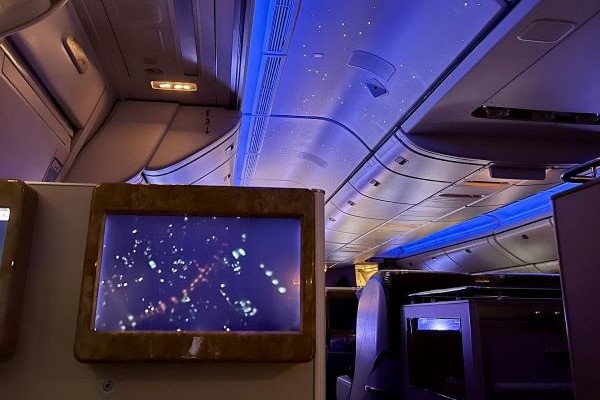
- Advanced mood lighting that supports sleep cycles
Older aircraft amplify fatigue and fatigue makes time crawl.
Related: Quietest Aircraft for Long Flights
Related: Airbus A350 vs Boeing 787: Which Is Better for Long Flights?
5. Inflight Experience Pacing
Flights don’t feel long because of hours they feel long because of poor pacing.
Flights feel longer when:
- Meal service is delayed or chaotic
- Inflight entertainment feels outdated
- Cabin lights stay bright for too long
Flights feel shorter when:
- Service is broken into clear stages
- Lighting transitions are gradual
- Entertainment systems feel modern and responsive
Your brain experiences flights in “chapters.” Fewer chapters = longer perceived duration.
6. Psychology & Expectation
Your mindset is the final multiplier.
If you board expecting discomfort, your brain starts counting minutes.
Frequent flyers shorten perceived time by:
- Choosing familiar seats
- Boarding with a sleep plan
- Avoiding clock-watching
Confidence shortens flights. Anxiety stretches them.
Related: Best Aircraft for Long Flights If You Hate Turbulence
SkypropreAir Verdict
Long-haul flights feel longest when headwinds, poor timing, uncomfortable seating, and fatigue stack together.
They feel shortest when wind direction, aircraft choice, cabin comfort, and mindset align.
The distance doesn’t change the experience does.
Smart Booking CTA
Before locking in any long-haul ticket:
- Compare aircraft type and seat layout
- Check departure time, not just price
- Avoid ultra-cheap fares that sacrifice cabin comfort
Use Aviasales to compare aircraft, timings, and fare differences across the same route small choices can save hours of perceived discomfort.
Long flights increase the risk of delays, missed connections, and baggage issues. Flexible cover like SafetyWing protects long-haul travellers when fatigue multiplies disruption.
FAQs: Why Long-Haul Flights Feel Different
Why do westbound long-haul flights feel longer than eastbound flights?
Because flying against jet streams increases time aloft and worsens fatigue, making every hour feel heavier.
Does aircraft type really affect how long a flight feels?
Yes. Quieter cabins, better air quality, and modern lighting reduce fatigue and shorten perceived duration.
Are daytime long-haul flights better than overnight ones?
For many travellers, yes. Day flights often feel mentally shorter due to structured service and fewer sleep disruptions.