
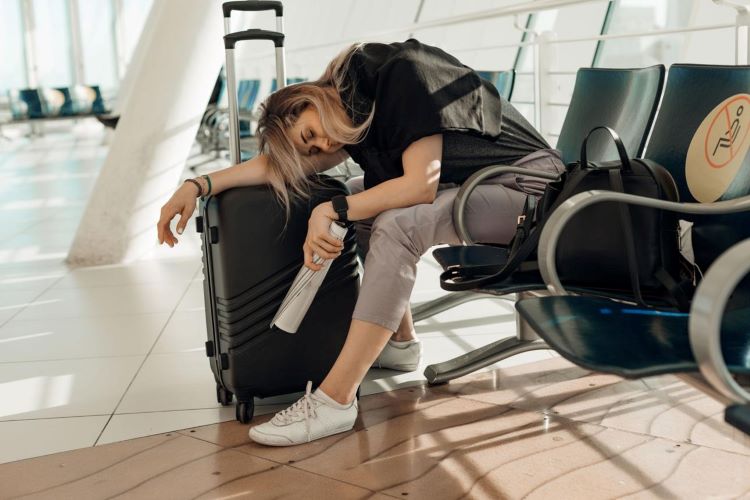
12 Travel Essentials That Reduce Flight Fatigue: What Frequent Flyers Never Board Without
You Don’t Have to Feel Exhausted After Every Flight
You step off the plane.
Your eyes burn.
Your neck aches.
Your legs feel stiff.
Your head is foggy, and even simple decisions suddenly feel difficult.
Get the SkypropreAir Free Travel Pack
Plan smarter, choose a better seat and enjoy a more comfortable long-haul journey. Enter your details below to receive the Travel Pack.
Many travelers assume this is simply the price of flying.
It isn’t.
The truth is that flight fatigue isn’t caused by just one thing. It’s the result of dry cabin air, prolonged sitting, pressure changes, dehydration, poor sleep, and muscle tension—all working together over several hours.
The surprising part?
Experienced travelers often arrive looking relaxed because they prepare differently.
The right travel essentials won’t eliminate jet lag entirely, but they can dramatically reduce physical fatigue, improve sleep quality, and make long flights far more comfortable.
Planning your next trip? Before you pack, compare fares on Aviasales to find the best flight deals. Saving money on your ticket means you can invest in travel gear that genuinely improves your journey.
If you’ve ever wondered why flying leaves you so drained, don’t miss our guide on Why Airplane Cabins Make You So Tired, which explains the science behind flight fatigue.
1. A High-Quality Neck Pillow Supports More Than Your Neck
Trying to sleep while your head repeatedly falls forward is exhausting.
A supportive memory-foam neck pillow keeps your head aligned and reduces strain on your neck muscles.
Instead of constantly waking yourself up, you’ll enjoy longer periods of uninterrupted rest.
The difference becomes especially noticeable on overnight flights lasting six hours or more.
For even better sleep, read our article on The Best Seats for Sleeping on Long-Haul Flights to discover which seats give you the greatest chance of arriving well-rested.
2. Compression Socks Keep Your Legs Feeling Fresh
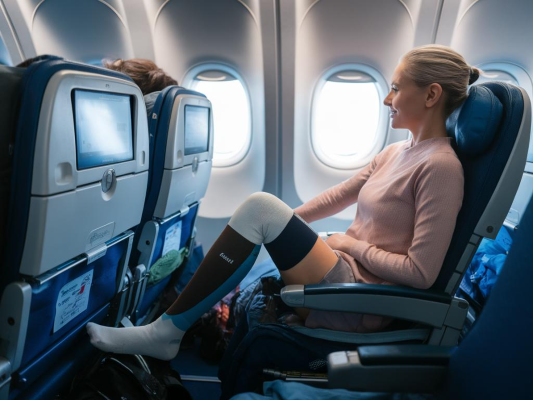
Sitting for hours slows blood circulation.
That often leads to swollen feet, tired calves, and stiff ankles after landing.
Graduated compression socks encourage healthier blood flow, helping reduce swelling and discomfort.
They’re particularly useful on flights longer than four hours and may also reduce the risk of developing deep vein thrombosis (DVT) in susceptible travelers.
If you’re preparing for a very long journey, you’ll also enjoy How to Survive a 12-Hour Flight in Economy, where we share practical comfort strategies used by experienced travelers.
3. A Reusable Water Bottle Helps You Fight Cabin Dehydration
Aircraft cabins are extremely dry.
Humidity often drops below what most people experience in a typical desert climate.
Even mild dehydration can increase headaches, muscle fatigue, and difficulty concentrating.
Bringing an empty reusable bottle through airport security and filling it before boarding makes staying hydrated much easier throughout the flight.
Small, regular sips work better than drinking large amounts all at once.
Travel Tip: International trips don’t always go as planned. Protect yourself with SafetyWing Travel Insurance, which provides coverage for unexpected medical expenses, travel delays, and trip interruptions while you’re abroad.
You can also learn more about the effects of low cabin humidity in our article Why Airplane Cabins Are So Dry.
4. Noise-Cancelling Headphones Give Your Brain a Break
Aircraft cabins rarely become truly quiet.
Engine noise, crying babies, conversations, food carts, and announcements constantly stimulate your brain.
Noise-cancelling headphones reduce background sound dramatically, making it easier to relax, sleep, or enjoy entertainment without increasing the volume.
Many travelers report arriving noticeably less mentally drained after using them.
5. An Eye Mask Helps Your Body Believe It’s Night
Light is one of the strongest signals controlling your body’s internal clock.
Cabin lights, reading lamps, and sunlight through windows often interrupt sleep.
A comfortable blackout eye mask creates darkness even during daytime flights.
Combined with a neck pillow and reduced noise, it significantly improves sleep quality.
6. Lip Balm and Moisturizer Prevent the Hidden Effects of Dry Cabin Air
Dry air doesn’t only affect your throat.
It rapidly removes moisture from your lips and skin.
Many travelers finish long flights with cracked lips, itchy skin, and facial tightness.
A small fragrance-free moisturizer and quality lip balm restore lost moisture throughout the journey and help you feel more comfortable after landing.
7. Healthy Snacks Prevent the Energy Crash
Airline meals aren’t always served when your body actually needs food.
Sometimes there are delays.
Sometimes the portions simply aren’t enough.
Protein-rich snacks such as mixed nuts, roasted chickpeas, protein bars, or dried fruit help stabilize energy levels between meals.
Stable blood sugar means fewer energy crashes during long-haul flights.
Packing healthy snacks alongside your other Carry-On Essentials Every Frequent Flyer Packs can make an enormous difference on flights lasting eight hours or more.
8. A Lightweight Blanket or Large Scarf Keeps Body Temperature Comfortable
Cabin temperatures vary considerably.
Some flights feel surprisingly cold.
Others become warm after boarding.
A lightweight travel blanket or oversized scarf provides flexible insulation without taking much space.
Remaining comfortably warm helps your muscles relax and improves sleep quality.
9. Blue-Light Blocking Glasses Can Make Overnight Flights Easier
Screens emit blue light that signals your brain to stay awake.
If you’re trying to sleep shortly after watching movies or working on your laptop, your brain may struggle to switch into sleep mode.
Blue-light blocking glasses may help reduce this effect during evening flights, especially when combined with dimming your devices before bedtime.
10. A Portable Footrest Reduces Lower Back Pressure
One reason long flights become uncomfortable is that your feet often hang unsupported.
This increases pressure on your lower back and hips.
Portable inflatable or hammock-style footrests allow your legs to rest more naturally.
Many travelers find they reduce stiffness during flights lasting eight hours or longer.
11. Travel Wipes Help You Feel Instantly Refreshed
After several hours inside a pressurized cabin, many passengers simply feel… stale.
Alcohol-free facial wipes and antibacterial hand wipes help freshen your face and hands before landing.
That quick refresh often improves how alert and energized you feel as soon as you leave the aircraft.
12. A Small Travel Pillow for Lumbar Support Saves Your Back
Most airline seats offer limited lower-back support.
Over time, poor posture creates muscle fatigue that can last well beyond landing.
A compact lumbar cushion fills the gap between your back and the seat, helping maintain healthier spinal alignment throughout the journey.
Your back will usually thank you before baggage claim.
If comfort is your priority, our guide to The Best Aircraft for Long-Haul Comfort explains which planes offer the smoothest and most passenger-friendly experience.
The Biggest Secret Isn’t Buying Everything—It’s Choosing the Right Combination
Many first-time travelers overpack.
Frequent flyers do the opposite.
They carry a carefully selected comfort kit.
For many people, the ideal combination includes:
-
Neck pillow
-
Compression socks
-
Reusable water bottle
-
Noise-cancelling headphones
-
Eye mask
-
Healthy snacks
Those six items alone can dramatically improve comfort on most long-haul flights.
Before your next trip, check Aviasales for the latest flight deals and don’t forget to purchase SafetyWing Travel Insurance before departure. Spending a little on preparation today can save you far more in discomfort—and unexpected expenses—later.
Small Comforts Add Up to a Better Journey
Flight fatigue rarely comes from one major problem.
Instead, it’s dozens of small discomforts accumulating hour after hour.
Dry air.
Noise.
Poor posture.
Lack of sleep.
Dehydration.
Cold temperatures.
Limited movement.
Fortunately, each problem has a simple solution.
Packing a thoughtful travel comfort kit won’t make a 12-hour flight feel short—but it can make the difference between arriving exhausted and arriving ready to enjoy your destination.
Because the best trips don’t begin at your hotel.
They begin the moment you step off the aircraft feeling refreshed instead of drained.
If you’re serious about making every flight more comfortable, explore our growing collection of expert travel guides, including How to Survive a 12-Hour Flight in Economy, The Best Seats for Sleeping on Long-Haul Flights, and Why Airplane Cabins Make You So Tired.
Frequently Asked Questions
1. What is the best way to reduce fatigue on a long-haul flight?
The most effective strategy combines hydration, regular movement, quality sleep, supportive travel accessories, and avoiding excessive alcohol or caffeine.
2. Do compression socks really help during flights?
Yes. Compression socks can improve blood circulation, reduce leg swelling, and help minimize discomfort during flights lasting more than four hours.
3. Which travel essential makes the biggest difference on overnight flights?
For most travelers, a combination of a supportive neck pillow, blackout eye mask, and noise-cancelling headphones provides the greatest improvement in sleep quality and helps reduce fatigue after landing.
Reader Engagement
What’s the one travel essential you never fly without—and has it ever transformed a long-haul flight for you? Share your experience in the comments. Your tip could help another traveler arrive feeling refreshed instead of exhausted.