
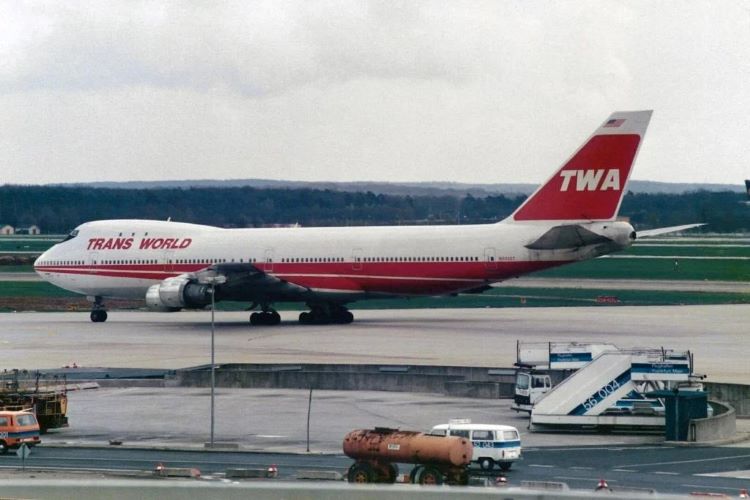
Why TWA Went From America’s Greatest Airline to Bankruptcy
One of America’s Greatest Airlines Didn’t Fail Overnight… It Slowly Fell Apart
There was a time when flying with TWA wasn’t simply transportation.
It was prestige.
Passengers dressed for the occasion. Flight attendants became icons. Hollywood celebrities chose the airline. International routes connected America to Europe, the Middle East, and beyond.
For decades, TWA represented the glamour of the Jet Age.
Many believed it was simply too famous to fail.
Get the SkypropreAir Free Travel Pack
Plan smarter, choose a better seat and enjoy a more comfortable long-haul journey. Enter your details below to receive the Travel Pack.
Then, almost unbelievably, one of America’s most recognizable airlines disappeared forever.
How could an airline that once competed head-to-head with industry giants collapse into bankruptcy?
The answer isn’t one bad decision.
It’s a story of visionary leadership, government regulation, corporate takeovers, crushing debt, changing competition, and a series of events that slowly drained one of aviation’s greatest names until nothing remained.
Here’s what really happened.
If you enjoy aviation history, you may also like:
- Why Did Concorde Really Stop Flying? The Full Story
The Airline That Helped Shape Modern Aviation
TWA—originally known as Transcontinental & Western Air—was created in 1930 through the merger of several airlines.
Its mission was ambitious:
Connect America from coast to coast faster than anyone else.
As aviation technology improved, TWA became one of the most respected airlines in the United States.
By the late 1940s and 1950s, international expansion transformed the airline into a global brand.
Its advertisements promised elegance.
Its aircraft represented cutting-edge engineering.
Flying TWA meant flying with one of America’s aviation elite.
Howard Hughes Turned TWA Into a Global Symbol
No discussion about TWA is complete without mentioning billionaire aviation pioneer Howard Hughes.
Hughes purchased control of the airline in the late 1930s.
His passion for aviation pushed TWA toward innovation.
He ordered advanced aircraft.
He invested heavily in passenger comfort.
He challenged competitors with ambitious international expansion.
Under Hughes, TWA became one of the world’s premier airlines.
The airline introduced luxurious cabins long before premium travel became common.
For years, the strategy worked brilliantly.
But Hughes’ management style eventually became one of TWA’s greatest weaknesses.
Innovation Became Delayed by One Man
Hughes insisted on personally approving major aircraft purchases.
As competitors rapidly modernized their fleets during the 1960s, TWA found itself waiting.
Those delays proved costly.
New aircraft entered competitors’ fleets while TWA struggled with aging airplanes.
Passengers increasingly chose airlines offering newer jets and more efficient schedules.
The company gradually lost the technological advantage that had made it famous.
Want to see how aircraft technology changed over the decades?
- Airbus vs Boeing: Which Builds the Better Airplane?
Government Regulation Protected TWA—Until It Didn’t
Before 1978, the U.S. airline industry operated under heavy federal regulation.
Airlines couldn’t simply launch new routes or slash fares whenever they wanted.
The system protected established airlines like TWA.
Profits remained relatively stable.
Competition was limited.
Then everything changed.
The Airline Deregulation Act removed many government controls over routes and pricing.
Suddenly, airlines competed aggressively on fares.
New low-cost carriers entered the market.
Price wars became common.
Efficiency became more important than prestige.
Legacy airlines like TWA suddenly faced an entirely new business environment.
The Carl Icahn Takeover Changed Everything
Perhaps the biggest turning point came during the 1980s.
Corporate raider Carl Icahn acquired TWA through a leveraged buyout.
Instead of using company profits for growth, enormous debt now had to be serviced.
Debt became the airline’s constant companion.
Money that could have purchased new aircraft, improved customer service, or expanded routes instead went toward interest payments.
Financial pressure mounted year after year.
The Ticket Agreement That Hurt Future Revenue
One of the most controversial decisions involved ticket sales.
Icahn negotiated an agreement allowing tickets to be sold through companies he controlled at deeply discounted prices.
These discounted fares competed directly with TWA’s own ticket sales.
Many aviation analysts argue this significantly weakened the airline’s ability to generate full-fare revenue during the 1990s.
Every airline depends on healthy yields.
TWA increasingly struggled to achieve them.
Aging Aircraft Became More Expensive to Operate
Modern aircraft burn less fuel.
Require less maintenance.
Offer better passenger comfort.
TWA simply didn’t have enough capital to modernize quickly.
Its fleet aged while competitors invested in newer aircraft.
Maintenance costs rose.
Fuel efficiency declined.
Passengers noticed older interiors compared with rival airlines.
The financial gap widened.
Read next:
 Why the Airbus A380 Failed Despite Passenger Love
Competition Became Relentless
The airline industry was changing rapidly.
Large network carriers expanded.
New low-cost airlines offered dramatically cheaper tickets.
Business travelers gained more choices than ever before.
TWA found itself squeezed from every direction.
It wasn’t premium enough to dominate luxury travel.
It wasn’t low-cost enough to win fare wars.
Being stuck in the middle proved extremely difficult.
Then Came a Series of Crises
Like many airlines, TWA faced challenges beyond its control.
Economic downturns reduced travel demand.
Fuel prices fluctuated.
International events affected passenger confidence.
One of the darkest moments came in 1996 when TWA Flight 800 crashed shortly after departing New York City for Paris, killing everyone on board. The investigation ultimately concluded that the most likely cause was an explosion of the center fuel tank, not a criminal attack. The tragedy devastated families and deeply affected the airline’s reputation, even though investigators found no evidence that TWA intentionally contributed to the accident.
Although the airline continued operating, rebuilding public confidence was extremely difficult.
Planning your own trip?
Compare fares across hundreds of airlines before booking.
Find the best flight deals with Aviasales
Repeated Bankruptcies Became Impossible to Escape
Debt continued growing.
Competition intensified.
Cash reserves shrank.
TWA entered bankruptcy protection multiple times during the 1990s.
Each restructuring bought time.
None solved the underlying problems.
The airline simply lacked the financial strength needed to compete against healthier rivals.
The Final Chapter
By 2001, survival was becoming impossible.
TWA agreed to be acquired by American Airlines.
Many employees kept working under the new owner.
Some aircraft were repainted.
Routes continued under different branding.
But the TWA name disappeared from airport departure boards.
An airline that had helped define American aviation was gone.
For many longtime travelers, it marked the end of an era.
Could TWA Have Been Saved?
Aviation historians continue debating that question.
Some believe earlier fleet modernization could have changed everything.
Others argue the debt created during the leveraged buyout made recovery nearly impossible.
Still others point to deregulation, changing consumer expectations, and relentless competition as forces that overwhelmed many legacy airlines—not just TWA.
The truth likely combines all of these factors.
TWA’s collapse was not caused by a single mistake.
It was the cumulative effect of strategic delays, financial burdens, industry transformation, and unfortunate timing.
You may also enjoy:
- Why Airlines Like Pan Am, Braniff and TWA Disappeared
The Legacy TWA Left Behind
Despite its disappearance, TWA’s influence remains visible throughout commercial aviation.
The airline pioneered international travel for millions of Americans.
It helped define the glamour of the Jet Age.
Its distinctive red-and-white branding became instantly recognizable around the world.
Many former employees remain deeply proud of the airline’s history.
Even today, aviation enthusiasts remember TWA not for how it ended, but for how it transformed air travel during its golden years.
Its story is also a reminder that even the most admired companies must adapt continuously. Brand recognition, innovation, and a rich history are powerful assets—but they cannot overcome mounting debt, changing markets, and delayed strategic decisions forever.
Conclusion
TWA’s journey from America’s greatest airline to bankruptcy is one of the most compelling stories in aviation history.
It rose through innovation, visionary leadership, and international ambition. It fell because of a combination of financial leverage, delayed modernization, deregulation, and fierce competition.
Its disappearance marked the end of one chapter in aviation—but its legacy still flies on in museums, historic terminals, and the memories of those who experienced the golden age of air travel.
Flying internationally?
Unexpected medical emergencies, trip interruptions, and baggage delays can happen to anyone.
- Protect your journey with SafetyWing travel insurance before you fly.
Continue reading:
-
The Airline Ticket Pricing Secret Most Travelers Never Learn
-
Why Frequent Flyers Never Travel Without Noise-Cancelling Headphones
Suggested FAQs
1. Why did TWA go bankrupt?
TWA failed because of a combination of heavy debt from a leveraged buyout, increased competition after airline deregulation, an aging fleet, and years of financial losses.
2. Who owned TWA before it collapsed?
Howard Hughes was its most famous owner during its golden era. Later, investor Carl Icahn acquired the airline in a leveraged buyout that significantly increased its financial burden.
3. What happened to TWA after bankruptcy?
In 2001, American Airlines acquired most of TWA’s assets. The TWA brand was retired, and its routes, employees, and aircraft were gradually integrated into American Airlines.
If TWA had modernized its fleet earlier and avoided massive debt, do you think it could still be flying today alongside American, Delta, and United? Share your thoughts in the comments below—we’d love to hear your perspective.