
Violent Passenger on a Plane: What You Should Do
A violent passenger on a plane is something most travellers never expect to encounter
What happens when a violent passenger on a plane turns aggressive
The Flight That Suddenly Turned Dangerous
The aircraft had settled into its cruise.
Passengers were watching films, sleeping or quietly reading. Flight attendants moved through the cabin serving drinks as another routine flight progressed normally.
Then shouting broke the silence.
One passenger suddenly became aggressive. He allegedly damaged part of the aircraft cabin, threatened fellow passengers and refused to calm down.
Within moments, the atmosphere changed completely.
Get the SkypropreAir Free Travel Pack
Plan smarter, choose a better seat and enjoy a more comfortable long-haul journey. Enter your details below to receive the Travel Pack.
Cabin crew quickly assessed the situation while nearby passengers watched anxiously. Eventually, several passengers assisted the crew in restraining a violent passenger on a plane until the aircraft landed safely and police were waiting.
Although this particular incident occurred aboard a commercial flight in Asia, similar events happen on airlines around the world every year.
Most passengers never imagine they could find themselves sitting only a few rows away from someone who suddenly becomes violent.
If it ever happened on your flight, would you know what to do?
Knowing the answer could help protect you, your family, and everyone else on board.
🌍 Don’t travel without protection. Compare comprehensive travel insurance before your next flight.
Violent Passenger Incidents Are Rare but They Do Happen
Commercial aviation remains one of the safest forms of transport ever created.
Millions of people fly safely every day without experiencing any security problems.
However, airlines occasionally face disruptive or a violent passenger on a plane.
These incidents can range from verbal abuse and refusing crew instructions to physical assaults, attempts to damage aircraft equipment, or threatening other passengers.
While these events receive significant media attention, they remain extremely uncommon compared with the enormous number of flights that operate safely every day.
Related Reading: The Dangerous Mistake Passengers Make During Aircraft Evacuations
Why Do Some Passengers Become Violent?
There is rarely a single explanation.
A violent passenger on a plane may be affected by:
- Mental health issues
- Excessive alcohol consumption
- Illegal drug use
- Anxiety or panic attacks
- Medical emergencies
- Extreme emotional distress
- Personal conflicts that escalate during travel
Whatever the cause, once a person’s behaviour threatens the safety of others, cabin crew immediately switch from customer service to emergency safety procedures.
Related Reading: Why You Should Keep Your Seat Belt Fastened on Every Flight
Cabin Crew Are Trained for Exactly These Situations
Most passengers think flight attendants are primarily there to serve food and drinks.
In reality, their first responsibility is safety.
Every cabin crew member receives extensive training to manage a violent passenger on a plane.
This includes learning how to:
- Recognise early warning signs.
- Calm an agitated passenger.
- Use de-escalation techniques.
- Protect other passengers.
- Communicate with the flight deck.
- Coordinate with fellow crew members.
- Safely restrain violent passenger on a plane when absolutely necessary.
Their calm appearance often hides years of specialised emergency training.
✈️ Planning your next trip? Compare airfares with our trusted travel partner before you book.
The Captain Is Always In Command
Whenever a violent incident develops, the cabin crew immediately inform the pilots.
From the flight deck, the captain evaluates the seriousness of the situation.
Depending on the threat, the captain may:
- Continue the flight.
- Request police to meet the aircraft.
- Divert to the nearest suitable airport.
- Declare an emergency if passenger safety is at risk.
Every decision prioritises protecting everyone on board.
Related Reading: What Are MANPADS—and How Do Airlines Protect Passengers From Them?
Should You Help Restrain a Violent Passenger?
Many travellers ask this question.
The answer depends entirely on the situation.
Passengers should never rush towards a violent passenger on a plane.
Doing so could make the situation worse or create additional injuries.
However, if cabin crew specifically request assistance, able-bodied passengers may be asked to help restrain a violent passenger on a plane who poses an immediate danger.
This has happened on numerous flights around the world.
If you are asked to help:
- Follow only the crew’s instructions.
- Use only reasonable force necessary to prevent harm.
- Avoid unnecessary confrontation.
- Step away once the situation is under control.
The crew remain in charge throughout the incident.
What You Should Do During a Violent Incident
If another passenger becomes aggressive, your own actions matter.
The safest response includes:
Stay calm.
Panic spreads quickly inside an aircraft cabin.
Remain seated unless instructed otherwise.
Moving around unnecessarily may interfere with the crew’s response.
Keep children close to you.
Reassure them and minimise their exposure to the disturbance.
Do not record the incident.
Filming can distract you, interfere with the crew’s work, and invade the privacy of those involved.
Listen carefully to cabin crew instructions.
Their guidance is based on established aviation safety procedures.
Why Damaging the Aircraft Is Taken So Seriously
Modern aircraft are built with multiple layers of safety.
Most cabin panels are not structural components.
However, deliberately damaging any part of an aircraft immediately becomes a serious security concern.
Crew members cannot assume the individual will stop at damaging interior fittings.
They must consider the possibility of escalating violence, attempts to interfere with emergency equipment, or threats against passengers and crew.
That is why disruptive behaviour is addressed quickly and decisively.
Related Reading: The Hidden Engineering Behind Aircraft Passenger Doors
What Happens After Landing?
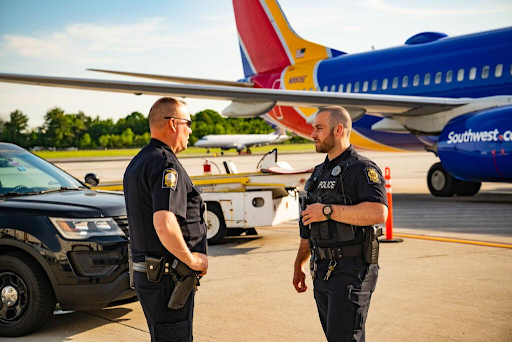
If the situation cannot be fully resolved during the flight, local law enforcement will usually meet the aircraft.
The disruptive passenger may be:
- Removed from the aircraft.
- Arrested.
- Interviewed by police.
- Charged with criminal offences.
- Banned from future flights with the airline.
In serious cases, passengers may also face substantial financial claims if their behaviour causes a diversion or delays.
The Law Protects the Safety of Everyone On Board
Violence on an aircraft is not simply bad behaviour.
In many countries, interfering with the safe operation of an aircraft is a criminal offence.
Depending on the jurisdiction, penalties may include:
- Heavy fines.
- Imprisonment.
- Civil liability for airline costs.
- Long-term travel restrictions.
These laws exist because even one violent passenger can jeopardise the safety of hundreds of people.
Most Flights End Safely Because People Work Together
One reassuring fact often goes unnoticed.
When serious incidents occur, cabin crew, pilots, air traffic control, airport security, police, and sometimes fellow passengers work together remarkably well.
Their coordinated response has prevented countless situations from becoming much worse.
Professional training, clear procedures, and calm decision-making are among aviation’s greatest strengths.
The Lesson Every Passenger Should Remember
The chances of encountering a violent passenger on a commercial flight are extremely small.
But if it ever happens, your behaviour matters.
Stay calm.
Follow crew instructions.
Avoid making the situation worse.
Only assist if specifically requested by the cabin crew and if it is safe to do so.
Commercial aviation has developed robust procedures to deal with disruptive behaviour, and those procedures have helped keep millions of passengers safe.
The next time you board an aircraft, remember that the smiling cabin crew welcoming you onboard are also highly trained safety professionals, prepared to handle emergencies that most travellers hope they will never see.
Frequently Asked Questions
1. What should I do if a passenger becomes violent on a plane?
Remain calm, stay seated unless instructed otherwise, keep clear of the disturbance, and follow all instructions from the cabin crew. Only assist if the crew specifically asks for help.
2. Can passengers legally help restrain a violent passenger on a plane?
Yes. In some situations, cabin crew may request assistance from able-bodied passengers to safely restrain someone who poses an immediate threat. Any assistance should be under the crew’s direction.
3. What happens to violent passengers after the flight?
They may be arrested, questioned by police, prosecuted, fined, imprisoned, banned from future flights, or held financially responsible for costs such as flight diversions.