
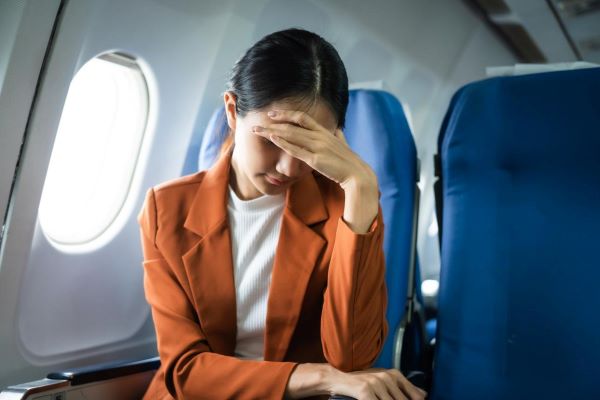
What to Wear on a Long-Haul Flight: A Comfort-First Guide
What to wear on a long-haul flight depends on comfort, cabin temperature and what you plan to do when you land.
A long-haul outfit has to work harder than an everyday outfit. You may wear it through a warm airport, a cool cabin, several hours of sitting and a very different climate when you land. The best choice is clothing that feels comfortable throughout the journey and lets you adjust without unpacking your bag.
You do not need to dress for bed or buy a special flying outfit. Start with familiar clothes that fit well, add a layer you can remove, and choose shoes you can comfortably walk in.
What to Wear on a Long-Haul Flight: The Simple Outfit Formula”
A soft T-shirt or breathable top with trousers that do not dig into your waist is a reliable starting point. When you sit for hours, a waistband that feels fine at home can become distracting. The same applies to stiff seams, tight cuffs and clothing you constantly need to adjust.
Joggers, relaxed trousers or comfortable leggings can all work. Choose the pair you would happily wear while sitting, standing and walking for much of a day. If you prefer jeans, pick ones you already know are comfortable for a long period of sitting.
Get the SkypropreAir Free Travel Pack
Plan smarter, choose a better seat and enjoy a more comfortable long-haul journey. Enter your details below to receive the Travel Pack.
Loose-fitting clothing is also among the measures the CDC suggests for long-distance travel. Clothing alone does not remove the risk of a blood clot; getting up and moving your legs during the journey matters too. (CDC)
Wear Layers You Can Adjust
Cabin temperature can feel different from the temperature in the airport or at your destination. A light jumper, cardigan or zip-up layer lets you adjust without changing clothes.
A simple outfit could be:
- A soft base layer
- Comfortable trousers
- A jumper or cardigan
- A light jacket suited to your destination
Keep the layer you expect to use in your cabin bag. It is less helpful if it is packed in checked luggage when you begin to feel cold.
Choose Shoes for the Whole Journey
Think beyond the hours in your seat. You may have a long walk to the gate, a connection, queues and another walk after arrival. Wear shoes that are comfortable for all of it and easy to put on again if you take them off while seated.
Avoid trying out brand-new shoes on departure day. A familiar pair of trainers or other supportive, comfortable shoes is usually the simpler choice. Socks can also make a difference when you want to settle in for the flight.
Should You Wear Compression Socks?
Compression socks deserve a separate decision from ordinary comfort clothing. Some travellers may benefit from graduated compression stockings, particularly if they have additional risk factors for blood clots. The CDC advises people who may be at increased risk, including those with a previous blood clot, to speak with a healthcare professional before travelling. Fit matters, so do not assume that any tight sock will serve the same purpose. (CDC)
Whatever socks you wear, make time to move your legs and walk when it is safe to do so. Long periods of sitting are a key reason travel can increase blood-clot risk. (CDC)
Dress for Sleep Without Sacrificing Comfort
If yours is an overnight flight, choose clothes you can relax in while remaining comfortable in the airport and on arrival. A soft top, flexible trousers and a removable warm layer usually meet that need.
Small details matter. A bulky hood can push your head forward against the seat. A thick belt may press into your waist. Jewellery or a complicated outfit can make it harder to settle. If an item bothers you after an hour at home, it is unlikely to improve after several hours in economy.
For more ways to rest, read our guide to [how to sleep on an overnight flight].
Consider Your Destination Before You Leave
Your arrival weather may be very different from the weather at departure. If you are landing somewhere warm, wear a layer you can remove and carry easily. If you are arriving somewhere cold, keep your jacket accessible rather than buried in your luggage.
A change of top and fresh socks in your cabin bag can also help you feel more comfortable after a long journey, especially if you have a connection. Check your airline’s cabin-bag allowance before adding extras.
A Simple Long-Haul Flight Outfit
For most travellers, this is a practical formula:
Soft top + comfortable trousers + removable warm layer + familiar walking shoes + comfortable socks.
Adjust it to your body, your destination and the way you like to travel. The best long-haul outfit is one you can forget about once you are seated.
Clothing helps, but it is only one part of a more comfortable journey. Your seat choice, opportunities to move and plans for sleep also make a difference. Explore our [Long-Haul Flight Survival Guide], [Best Seats on a Plane] and [Best Long-Haul Flight Accessories] for the rest of your preparation.
Frequently Asked Questions
Are jeans suitable for a long-haul flight?
Yes, if yours remain comfortable while sitting for hours. If the waistband or seams feel restrictive, choose softer trousers instead.
Should I wear a hoodie on a long flight?
A hoodie can be a useful warm layer. Check that its hood feels comfortable when your head rests against the seat.
Can I wear sandals on a long-haul flight?
You can, but consider the amount of walking involved and whether your feet may feel cold in the cabin. Comfortable shoes and socks may be more versatile.
Do I need a special outfit for flying?
No. Familiar clothes with a comfortable fit and an easy-to-remove layer are a good place to start.
Suggested image: A traveller in comfortable trousers, a simple top and a light layer seated by an airport window, with a cabin bag nearby. Use an image showing ordinary, practical clothing rather than implying that one body type or expensive product is required.