
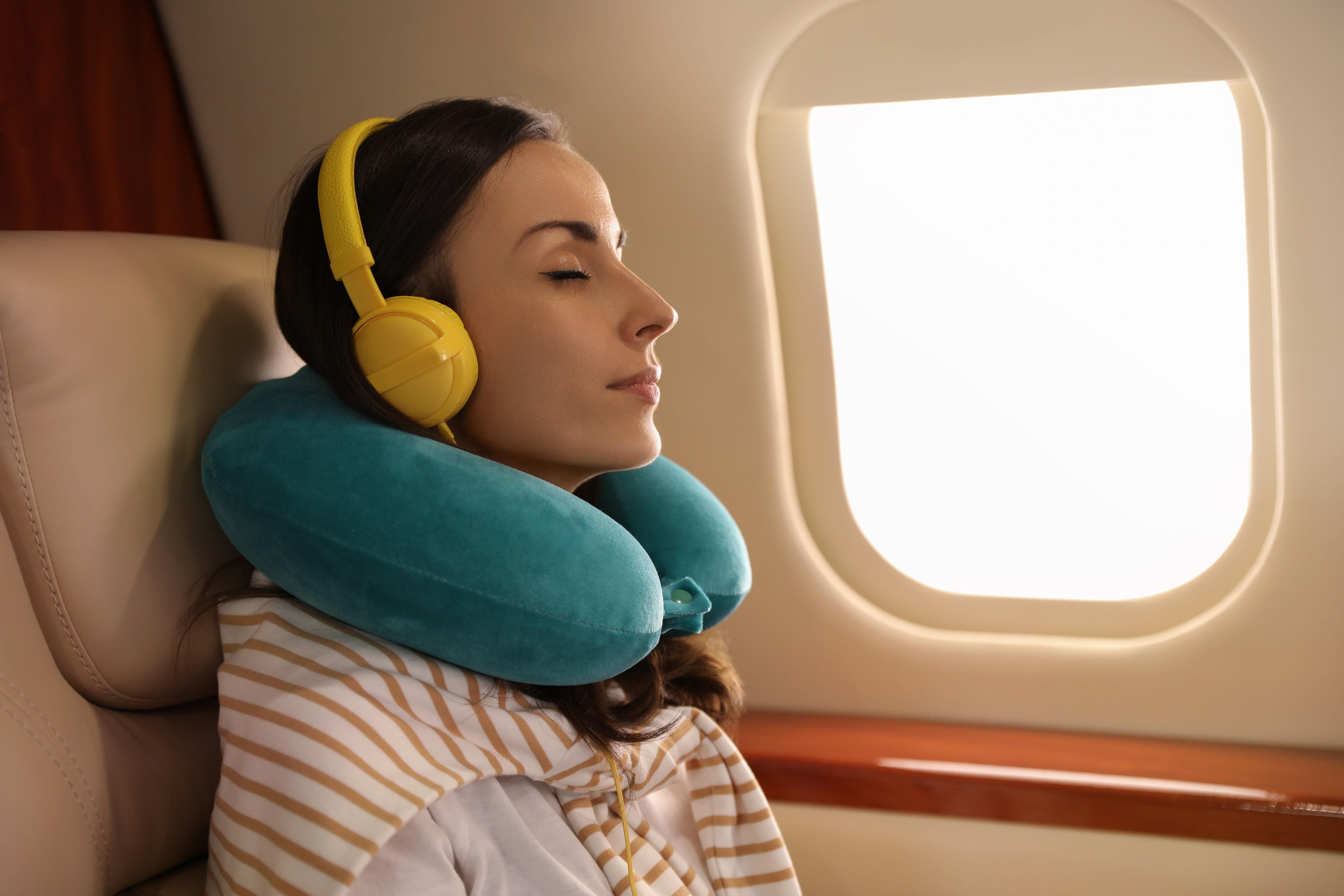
15 Best Long-Haul Flight Accessories for a More Comfortable Journey
Long-haul flights can be physically demanding, even when you have chosen a good airline and a comfortable seat. Hours of limited movement, dry cabin air, constant noise and difficulty sleeping can leave you exhausted before your journey has properly begun.
The right travel accessories will not transform economy class into business class, but they can make a noticeable difference. A supportive travel pillow, effective noise-cancelling headphones or a well-organised personal bag could mean the difference between arriving drained and arriving ready for the day ahead.
This guide examines the best long-haul flight accessories for comfort, sleep, health and convenience. Every item has been selected according to its practical usefulness during a real journey—not because it looks impressive in an advertisement.
Affiliate disclosure: This article contains affiliate links. If you make a purchase or booking through one of these links, SkypropreAir may earn a commission at no additional cost to you. Our recommendations remain independently selected.
The Best Long-Haul Flight Accessories
- Memory-foam travel pillow
- Noise-cancelling headphones
- Comfortable sleep mask
- Compression socks
- Refillable water bottle
- Portable power bank
- Universal travel adapter
- Seat-back organiser
- Lightweight travel blanket
- Travel footrest
- Moisturising face cream and lip balm
- Disinfectant wipes and hand sanitiser
- Reusable earplugs
- Small toiletry pouch
- Luggage tracker

Get the SkypropreAir Free Travel Pack
Plan smarter, choose a better seat and enjoy a more comfortable long-haul journey. Enter your details below to receive the Travel Pack.
1. Memory-Foam Travel Pillow
A supportive travel pillow can prevent your head from falling forward or sideways as you sleep. Memory foam usually provides better neck support than inflatable pillows, although it takes up more space in your hand luggage. Choose a design that fits closely around your neck without feeling restrictive, and look for a removable, washable cover.
Best for: Passengers who struggle to keep their neck supported while sleeping upright.
2. Noise-Cancelling Headphones
Aircraft cabins produce continuous engine, airflow and passenger noise that can make it difficult to relax. Active noise-cancelling headphones reduce much of this background sound, making films, music and podcasts easier to hear without turning the volume dangerously high. Choose a comfortable over-ear design with enough battery life for your entire journey.
Best for: Reducing cabin noise and creating a calmer environment for entertainment, relaxation or sleep.
3. Comfortable Sleep Mask
Cabin lights, reading lamps and glowing entertainment screens can interfere with sleep, particularly when your body clock already feels confused. A contoured sleep mask blocks light without pressing directly against your eyelids. Look for breathable fabric, an adjustable strap and a shape that remains comfortable when your head rests against the seat.
Best for: Passengers trying to sleep during daytime flights or while cabin lights remain on.
4. Compression Socks
Sitting for many hours can cause swelling and discomfort in the feet and lower legs. Properly fitted compression socks apply gentle pressure that may support circulation during a long flight. They should complement regular movement, not replace it—so stand, stretch and walk around the cabin whenever it is safe to do so.
Best for: Passengers prone to swollen feet or lower-leg discomfort during long periods of sitting. Anyone with an existing circulation problem should ask a healthcare professional which compression level is appropriate.
5. Refillable Water Bottle
Low cabin humidity can leave your mouth, throat and skin feeling dry. Carry an empty refillable bottle through airport security, then fill it before boarding where safe drinking water is available. A leak-resistant bottle that fits inside the seat pocket or your personal bag makes it easier to drink regularly throughout the flight.
Best for: Staying hydrated without repeatedly waiting for the cabin crew to serve drinks.
6. Portable Power Bank
In-seat charging ports can be unavailable, unreliable or incompatible with your cable. A portable power bank keeps your phone, tablet or e-reader working throughout the journey and after landing. Choose a reputable model with enough capacity for your needs, and always check the airline’s current battery limits before travelling.
Best for: Keeping essential devices charged when the aircraft’s power supply is unavailable.
7. Universal Travel Adapter
A universal travel adapter is useful when your journey involves airports, hotels or countries with different electrical sockets. Select one that works in your destination and includes USB ports for charging several devices. Remember that an adapter changes the plug connection; it does not necessarily convert electrical voltage.
Best for: International journeys involving different plug types or multiple devices.
8. Seat-Back Organiser
A compact seat-back organiser keeps important items such as your phone, charging cable, passport, earphones and hand sanitiser within easy reach. It also prevents smaller belongings from disappearing into a large cabin bag during the flight. Choose a slim, washable design that does not interfere with your limited legroom.
Best for: Passengers who want essential items accessible without repeatedly opening the overhead locker.
9. Lightweight Travel Blanket
Cabin temperatures can become uncomfortable, especially during overnight flights. A lightweight travel blanket provides an extra layer when the airline does not supply one or when you would prefer to use your own. Look for a soft, breathable blanket that folds into a compact pouch.
Best for: Passengers who frequently feel cold or want their own clean and familiar covering.
10. Travel Footrest
A portable footrest attaches to the tray-table support and allows you to raise your feet slightly. This may reduce pressure behind the thighs and make an upright economy seat feel more comfortable. It works best for shorter passengers, but it must not obstruct the aisle, emergency access or the passenger seated in front.
Best for: Shorter passengers whose feet do not rest comfortably and evenly on the cabin floor.
11. Moisturising Face Cream and Lip Balm
Dry cabin air can leave your skin and lips feeling uncomfortable during a long flight. A small, fragrance-free moisturiser and lip balm can help reduce dryness without taking up much space. Keep liquids within airport security limits and choose containers that will not leak inside your personal bag.
Best for: Passengers affected by dry skin, tightness or cracked lips during long journeys.
12. Disinfectant Wipes and Hand Sanitiser
Frequently touched surfaces such as tray tables, entertainment controls and seat-belt buckles may not always be as clean as passengers expect. A small packet of disinfectant wipes allows you to clean your immediate seating area, while hand sanitiser is useful when you cannot wash your hands immediately.
Best for: Keeping your hands and frequently touched surfaces cleaner during the journey.
13. Reusable Earplugs
Earplugs are a compact and affordable alternative to noise-cancelling headphones. They can soften engine noise, conversations and cabin announcements while you rest. Choose reusable earplugs made from comfortable material and store them in a clean protective case.
Best for: Sleeping passengers who want a lightweight, battery-free way to reduce cabin noise.
14. Small Toiletry Pouch
A small toiletry pouch keeps your toothbrush, toothpaste, moisturiser, medication and other personal-care items together. Store it inside your under-seat bag so you can freshen up without removing your main cabin case from the overhead locker. Transparent or clearly organised compartments also make airport security easier.
Best for: Staying organised and fresh during overnight flights or long connections.
15. Luggage Tracker
A luggage tracker can help you locate a checked bag if it is delayed, misdirected or left behind. Place it securely inside your suitcase and connect it to your phone before travelling. It does not prevent baggage disruption, but it can provide useful location information when you report a missing bag to the airline.
Best for: Passengers checking luggage, particularly on journeys involving connections.
How to Choose the Right Long-Haul Flight Accessories
The best accessory is not necessarily the most expensive one. It should solve a genuine problem without making your cabin bag unnecessarily heavy. Before buying anything, consider the length of your flight, your seat, personal comfort needs and how often you are likely to use the product.
When comparing accessories, look for:
- Compact size and low weight
- Comfortable and breathable materials
- Durable construction
- Washable or easy-to-clean surfaces
- Reliable customer reviews
- Simple operation during the flight
- Compatibility with airline and airport rules
- A clear warranty or returns policy
Avoid packing several bulky products that perform similar functions. For most passengers, a supportive pillow, sleep mask, noise reduction, hydration bottle and charging option will provide the greatest practical benefit.
| Main travel problem | Most useful accessory | Priority |
|---|---|---|
| Difficulty sleeping | Travel pillow and sleep mask | High |
| Constant cabin noise | Noise-cancelling headphones or earplugs | High |
| Dryness and dehydration | Refillable bottle, moisturiser and lip balm | High |
| Device battery running low | Portable power bank | Medium |
| Poor organisation | Seat-back organiser or toiletry pouch | Medium |
Planning Your Next Long-Haul Flight?
The right accessories can improve your journey, but your airline, aircraft and departure time matter even more. Compare long-haul flight options and fares with Aviasales before booking.
Check Airline Rules Before Packing
Airline and airport rules can vary, particularly for power banks, liquids and items attached to aircraft seats. Portable chargers normally belong in cabin baggage rather than checked luggage, and airlines may impose limits on their battery capacity. Liquids must also comply with the security rules applying at your departure airport.
Never use an accessory that blocks an aisle, interferes with another passenger, damages the seat or restricts access during an emergency. Cabin crew may ask you to remove footrests, organisers or other items during taxi, take-off and landing.
Check your airline’s latest guidance before travelling because safety and baggage requirements can change.
Prepare for Unexpected Travel Problems
Flight disruption, illness and baggage problems can turn a long journey into an expensive experience. Review SafetyWing’s current travel-insurance options before departure and check the policy terms, exclusions and eligibility carefully.
Frequently Asked Questions
What is the most useful accessory for a long-haul flight?
For many passengers, a supportive travel pillow is the most useful accessory because sleeping upright places strain on the neck. However, passengers particularly sensitive to noise may benefit more from noise-cancelling headphones or earplugs.
Are travel footrests allowed on every airline?
No. Policies and cabin-crew instructions can differ between airlines and aircraft. A footrest must never obstruct an aisle, emergency route or another passenger. Check with the airline before travelling and remove it whenever instructed by the crew.
Can I carry a power bank on an aircraft?
Power banks are generally required to remain in cabin baggage and are normally prohibited from checked luggage. Capacity limits and approval requirements vary, so confirm the latest rules with your airline before departure.
Do I need every accessory on this list?
No. Carrying too many accessories can reduce your available baggage space. Select products that address your particular difficulties, such as sleeping, noise, dryness, swelling or keeping devices charged.
Final Verdict: Build a Travel Kit Around Your Needs
The best long-haul flight accessories are the ones you will genuinely use. Start by identifying what normally makes flying uncomfortable for you—poor sleep, cabin noise, dry air, cold temperatures or limited organisation—and choose a small number of accessories that directly address those problems.
A memory-foam pillow, sleep mask and noise-reduction option create a strong basic sleep kit. A refillable bottle, compression socks and small toiletry pouch support comfort during the journey, while a power bank and luggage tracker can reduce avoidable travel stress.
No accessory can replace a well-chosen airline, aircraft or seat. However, the right combination can make economy travel noticeably more comfortable and help you arrive feeling better prepared for your destination.