
Two Delta Jets Came Dangerously Close in Atlanta. Here’s Why Aircraft Rarely Collide in Mid-Air
Two Delta Jets Came Within Seconds of Disaster… Or Did They?
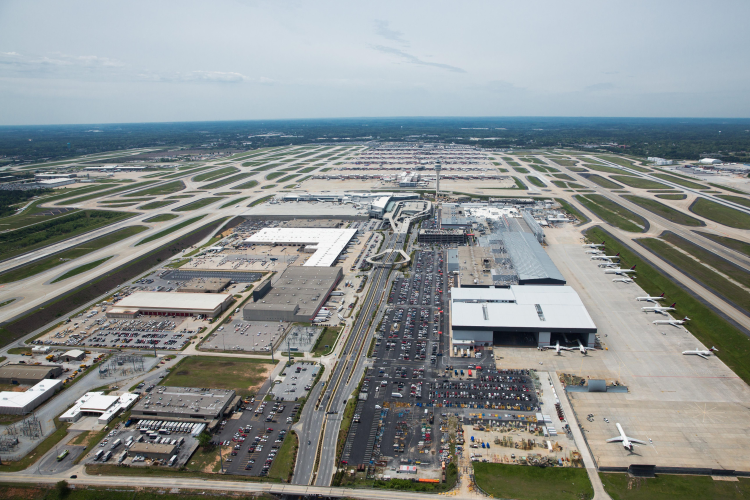
Two Delta Air Lines aircraft recently made headlines after coming unexpectedly close during operations at Atlanta’s Hartsfield-Jackson International Airport.
One aircraft initiated a go-around after another aircraft had not yet cleared the runway. At nearly the same moment, another Delta jet was departing.
Collision warning systems activated.
Air traffic controllers immediately intervened.
The aircraft safely separated.
Get the SkypropreAir Free Travel Pack
Plan smarter, choose a better seat and enjoy a more comfortable long-haul journey. Enter your details below to receive the Travel Pack.
No passengers were injured.
To many people, the story sounded terrifying.
But aviation professionals saw something entirely different.
They saw proof that modern aviation’s multiple layers of safety worked exactly as designed.
That raises a fascinating question:
If aircraft sometimes come this close, why are mid-air collisions between commercial airliners so incredibly rare?
Let’s explore the remarkable systems protecting every flight.
The Truth Most Passengers Never Hear
People often imagine pilots relying solely on eyesight.
That hasn’t been true for decades.
Every commercial flight is protected by several independent safety layers, each designed to catch problems before they become emergencies.
Think of aviation safety as several security guards standing behind one another.
If one misses something, another immediately steps in.
That philosophy has transformed flying into one of the safest forms of transportation ever created.
Layer One: Air Traffic Controllers Keep Aircraft Apart
Before aircraft even get close enough for onboard systems to react, air traffic controllers continuously manage safe separation.
Using advanced radar, surveillance technology, weather data and carefully planned flight paths, controllers coordinate thousands of aircraft every day.
Even at extremely busy airports like Atlanta, controllers constantly adjust aircraft spacing to maintain safe distances.
Occasionally, circumstances change rapidly.
That’s why aviation never relies on just one layer of protection.
Related reading: How Air Traffic Controllers Keep Thousands of Flights Safe Every Day
Layer Two: Pilots Are Trained to Expect the Unexpected
The Delta crew performed what pilots call a go-around.
Passengers sometimes assume a go-around means something has gone wrong.
Actually, it’s often the safest decision a pilot can make.
Pilots practise go-arounds repeatedly in airline simulators because they’re considered a routine safety procedure.
Reasons include:
-
Another aircraft on the runway
-
Wind shear
-
Unstable approaches
-
Wildlife
-
Poor visibility
-
Air traffic instructions
A successful go-around isn’t evidence of failure.
It’s evidence of professional decision-making.
Read also: Why Pilots Sometimes Abort a Landing—and Why You Shouldn’t Worry
Layer Three: TCAS — The Aircraft That Talks to Other Aircraft
Perhaps aviation’s most remarkable invention is the Traffic Collision Avoidance System (TCAS).
Every modern airliner continuously communicates with nearby aircraft.
If aircraft begin converging, TCAS first alerts pilots.
If necessary, it goes one step further.
It actually tells one aircraft to climb while instructing the other to descend.
Because both aircraft receive coordinated commands simultaneously, they avoid each other automatically.
Even if radio communication with air traffic control were interrupted, TCAS still provides an additional safety net.
It has prevented numerous potential accidents since becoming mandatory on commercial aircraft.
Layer Four: Strict International Procedures
Every airline follows internationally recognised procedures developed over decades.
Whether you’re flying with Delta, Emirates, Ryanair, Singapore Airlines or British Airways, pilots receive standardised training for situations like:
-
Go-arounds
-
Loss of separation
-
TCAS alerts
-
Runway conflicts
-
Weather diversions
This consistency allows crews from different countries to react in predictable ways during unexpected events.
Why Near Misses Are Investigated So Thoroughly
Whenever aircraft lose their normal separation, aviation authorities investigate.
Not because an accident happened.
But because aviation believes every incident offers an opportunity to improve.
Investigators examine:
-
Flight recorder data
-
Radar recordings
-
Controller communications
-
Weather conditions
-
Pilot actions
-
Airport operations
Sometimes they discover procedural improvements.
Sometimes they recommend technology upgrades.
Sometimes they simply confirm that existing systems worked exactly as intended.
Every lesson learned makes future flights even safer.
Why Atlanta Is One of Aviation’s Toughest Workplaces
Hartsfield-Jackson Atlanta International Airport handles one of the highest volumes of aircraft movements in the world.
Every minute, aircraft are:
-
Landing
-
Departing
-
Taxiing
-
Crossing active runways
Managing this level of traffic requires extraordinary coordination between controllers, pilots and airport operations.
The fact that millions of passengers pass safely through Atlanta every year demonstrates how effective these systems really are.
What This Means for Passengers
Stories about near misses naturally attract attention.
But they can also create unnecessary anxiety.
The Delta incident illustrates something reassuring:
Modern commercial aviation doesn’t depend on a single person making no mistakes.
It depends on multiple overlapping safety systems that continuously monitor, verify and protect every flight.
When one layer detects something unusual, another layer immediately provides additional protection.
That’s exactly what happened in Atlanta.
Planning Your Next Flight? Fly With Confidence
Understanding how aviation safety works can make flying a much less stressful experience.
Whether you’re planning a short European trip or a long-haul adventure, choosing the right flight can make all the difference.
- Compare the best flight deals through Aviasales and find routes that suit your schedule and budget.
- Protect your journey with SafetyWing Travel Insurance, giving you peace of mind if your trip is disrupted by delays, cancellations or unexpected medical expenses.
Final Thoughts
The Delta incident will eventually fade from the headlines.
The lessons behind it should not.
Commercial aviation is extraordinarily safe not because incidents never occur, but because every incident activates multiple independent safety systems designed to prevent tragedy.
Passengers saw a headline.
Aviation professionals saw a safety system doing exactly what it was built to do.
And that’s one of the biggest reasons millions of people trust commercial aviation every single day.
FAQ
1. What is a go-around in aviation?
A go-around is a standard safety maneuver in which pilots discontinue a landing approach and climb away to make another attempt. It is a routine procedure and often has nothing to do with an emergency.
2. What is TCAS?
The Traffic Collision Avoidance System (TCAS) is an onboard safety system that detects nearby aircraft and provides pilots with instructions to avoid potential mid-air collisions.
3. How safe is commercial aviation after incidents like this?
Commercial aviation remains one of the safest forms of transportation. Incidents are thoroughly investigated, and airlines continuously improve procedures based on lessons learned, helping maintain exceptionally high safety standards.