
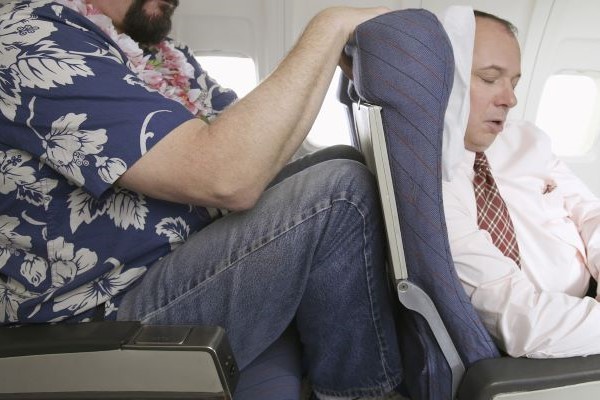
Why the Seat Behind You Hates You (The Recline Debate Explained)
The Most Controversial Move in Economy Class
There’s no announcement. No warning.
Just a quiet click… and the seat in front slowly moves back.
Within seconds, tension builds.
Welcome to the most debated move in economy class: seat reclining.
Some see it as a right. Others see it as inconsiderate.
Get the SkypropreAir Free Travel Pack
Plan smarter, choose a better seat and enjoy a more comfortable long-haul journey. Enter your details below to receive the Travel Pack.
So who’s right?
The Truth: Reclining Isn’t Rude — But It Feels Personal
Let’s be clear:
Reclining your seat is not rude. It’s part of the design.
Airlines build seats to recline for a reason — especially on long-haul flights where rest matters.
But here’s where the problem starts:
- The space behind you is already limited
- The person behind has no control over your movement
- The change happens instantly
And that’s what triggers frustration.
If you’ve ever felt that sudden discomfort, it’s the same reaction explained here:
Why Economy Seats Feel So Cramped (It’s Not What You Think)
Why the Passenger Behind You Feels So Frustrated
When you recline, the person behind experiences:
- Reduced knee space
- A closer screen distance
- A disrupted tray setup (meals, laptops, drinks)
- A feeling of losing control over their space
The key issue isn’t just space — it’s control and timing.
That’s why a recline during meal service feels worse than one during sleep time.
Timing Is the Real Etiquette (Not the Recline Itself)
This is where experienced travellers think differently.
Generally acceptable:
- After meal service
- During cruise
- Overnight flights
Usually frustrating:
- During meals
- When someone is actively working on a laptop
- Abrupt reclining without awareness
Reclining isn’t the issue. Bad timing is.
If you’re unsure how to handle it when it happens to you:
How to Handle the Person in Front Reclining Their Seat
The Unspoken Rule of “Shared Space”
Economy class works on an unspoken rule:
Your comfort should not completely override someone else’s.
That doesn’t mean you shouldn’t recline.
It means:
- Recline gradually, not abruptly
- Check your surroundings briefly
- Be mindful during key moments (like meals)
Small awareness makes a big difference.
The Smart Way to Recline (Without Causing Friction)
Here’s what frequent flyers do differently:
1. Recline slowly
Avoid sudden movement — give the person behind time to adjust
2. Choose your timing carefully
After meals or during rest periods
3. Don’t over-recline unnecessarily
Even a slight recline improves comfort
4. Reset when needed
If someone is clearly struggling (e.g. eating), adjust temporarily
This isn’t about rules — it’s about awareness.
Aircraft Type Quietly Changes the Experience
Not all reclines feel the same.
On modern aircraft like:
- Airbus A350
- Boeing 787 Dreamliner
You’ll notice:
- Better seat spacing perception
- Improved cabin layout
- Less “intrusive” recline feeling
Same recline. Different experience.
If you want flights where comfort feels more balanced, aircraft type matters more than most people realise.
Best Aircraft for Long Flights Ranked
Quick tip: When comparing flights, tools like Aviasales can help you spot which aircraft operates each route — a small detail that can significantly improve your comfort.
The Psychological Battle No One Talks About
This is where things get interesting.
Reclining triggers a psychological reaction, not just physical discomfort.
The person behind feels:
- Their space is being taken
- They didn’t consent to the change
- They have no control
That’s why reactions can feel emotional even if the recline is minor.
Understanding this changes how you behave on a plane.
What If You’re the One Behind?
If someone reclines in front of you:
- Adjust your posture immediately
- Slightly recline your own seat
- Reposition your screen or tray
These small actions restore comfort faster than confrontation.
Full strategy here:
How to Handle the Person in Front Reclining Their Seat
The Smart Traveller’s Move (Before You Even Board)
Most recline problems can be avoided before the flight begins.
Choose seats that reduce impact:
- Exit rows
- Bulkhead seats
- Seats behind non-reclining rows
Best Seats for Tall Passengers
And when booking:
Comparing aircraft and seat layouts on Aviasales can help you avoid routes with tighter configurations.
For longer trips:
Many frequent travellers use SafetyWing for flexible travel coverage — especially useful when long-haul discomfort turns into delays or disruptions.
Chudi’s Perspective
The recline debate isn’t about right or wrong.
It’s about awareness.
The most respected travellers:
- Recline without disrupting others
- Adjust when needed
- Understand shared space
That’s what separates average passengers from smart flyers.
Final Verdict
Seat reclining is:
- A built-in feature
- Necessary for long-haul comfort
- Often misunderstood
The real issue is:
- Timing
- Awareness
- Lack of communication
Once you understand this, the tension disappears.
FAQs
1. Is it rude to recline your seat on a plane?
No — it’s a normal feature. However, reclining at the wrong time (like during meals) can feel inconsiderate.
2. Should you ask before reclining your seat?
Not always necessary, but being aware of the person behind you (especially during meals) is good etiquette.
3. Why do people get so upset about seat reclining?
Because it affects their personal space instantly and removes their sense of control.