
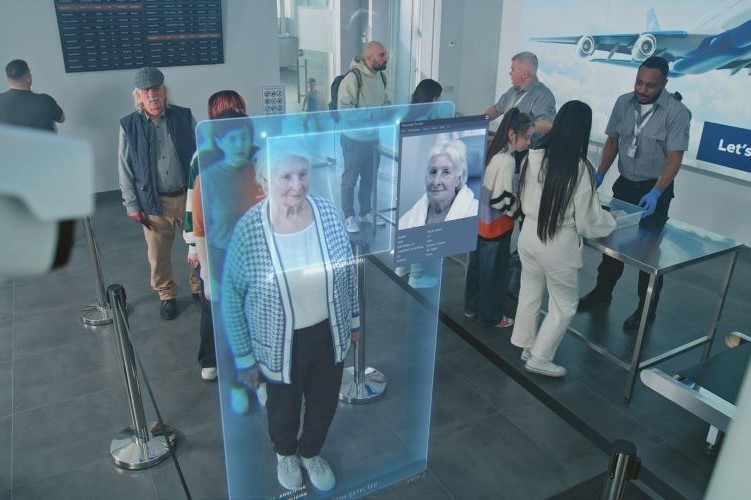
How Much Data Should Airlines Be Allowed to Collect About Passengers?
The Moment You Realize How Much Airlines Know About You
You book a flight.
Next time, the airline already “knows” your seat preference, your meal, even when you usually travel.
Convenient? Absolutely.
But it raises a bigger question:
How much data should airlines really be allowed to collect about passengers?
In 2026, this isn’t a niche concern—it’s becoming one of the most important debates shaping the future of flying.
Get the SkypropreAir Free Travel Pack
Plan smarter, choose a better seat and enjoy a more comfortable long-haul journey. Enter your details below to receive the Travel Pack.
What Data Airlines Collect (And Why It Feels Normal)
Most passengers are comfortable with the basics:
-
Full name, passport, contact details
-
Travel history and booking patterns
-
Seat and meal preferences
-
Loyalty program activity
This type of data powers smoother travel—faster check-in, personalized service, and fewer friction points.
- If you’re planning your next trip, it’s worth comparing fares smartly—tools like Aviasales help you spot better routes and prices without overpaying.
But here’s the catch: this is just the surface layer.
The Shift Into More Sensitive Data
Airlines are now expanding into deeper, more complex data collection:
-
Facial recognition for boarding
-
Tracking inflight screen behavior
-
Monitoring cabin movement patterns
-
Linking travel data with external consumer profiles
This is where things change.
It’s no longer just about helping you fly—it’s about understanding you as a data profile.
Convenience vs. Privacy: Where Passengers Draw the Line
Airlines argue that more data means:
-
Better onboard experiences
-
Smarter upgrades and offers
-
Faster airport processing
And they’re not wrong.
But passengers are starting to ask:
-
What exactly are you collecting?
-
Who are you sharing it with?
-
Do I have any real control?
The issue isn’t data itself—it’s lack of visibility.
That’s why articles like “Smart Seats or Privacy Invasion?” and “The Debate Over AI-Powered Airline Cabins Is Just Beginning” on SkypropreAir are gaining traction—they tap into a growing discomfort travelers can feel but rarely articulate.
The Role of Regulation (And Why It Still Feels Inconsistent)
In regions governed by the General Data Protection Regulation (GDPR), airlines must:
-
Get clear user consent
-
Explain how data is used
-
Allow access or deletion requests
But globally, the picture is uneven.
A passenger flying between Europe and the U.S. may experience completely different levels of data protection on the same journey.
What “Reasonable” Data Collection Should Look Like
If airlines want to maintain trust, the path forward is surprisingly simple:
1. Collect Less, Not More
Only gather what directly improves safety or experience.
2. Make It Visible
Passengers shouldn’t need to dig through legal pages to understand what’s happening.
3. Offer Real Choice
Personalization should be opt-in, not automatic.
4. Protect It Properly
Data breaches in aviation don’t just damage trust—they destroy it.
Why This Matters More Than You Think
This isn’t just a tech or privacy issue—it’s a travel experience issue.
Because the more passengers feel monitored, the less relaxed they become.
And as we’ve explored in “Why Airplane Cabins Make Some People Feel Anxious”, comfort isn’t just physical—it’s psychological.
Feeling watched—even subtly—can quietly increase stress levels on long-haul flights.
The SkypropreAir Perspective
Airlines should absolutely use data to improve flying.
But there’s a line.
And right now, that line is starting to blur.
The future of air travel shouldn’t feel like stepping into a data collection system—it should feel like stepping into a well-designed, human-centered experience.
The real luxury in 2026 isn’t just extra legroom.
It’s control over your own information.
Travel Smart Without Overexposing Yourself
While airlines evolve their data practices, travelers can still make smarter choices:
-
Book through platforms that prioritize transparency
-
Avoid unnecessary data-sharing add-ons
-
Stay aware of privacy settings when checking in
For peace of mind beyond the airport, SafetyWing travel insurance is worth considering—especially for frequent or long-haul travelers who want flexible, global coverage.
FAQs
1. Do airlines sell passenger data?
Most airlines say they don’t directly sell personal data, but they may share it with partners like hotels or car rental companies under specific agreements.
2. Can I opt out of airline data collection?
You can opt out of marketing and some personalization features, but essential data for booking and security is mandatory.
3. Is biometric boarding required?
Not always. In many airports, it’s optional—but availability and opt-out policies vary depending on the airline and country.