
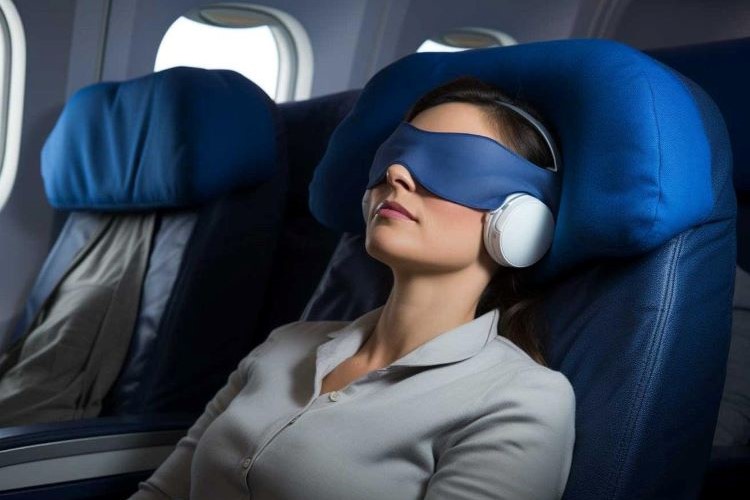
How to Sleep on an Overnight Flight: A Practical Economy Class Guide
How to Sleep on an Overnight Flight
An overnight flight sounds like a chance to sleep while the aircraft carries you to your destination. Then the cabin lights come on, a meal arrives, the person beside you needs to get up, and you realise that sleeping upright takes some planning.
You may not get a full night’s sleep in economy. But a few choices before and during the flight can give you a better chance of resting—and make the first day of your trip easier.
Choose a seat that suits the way you sleep
If you usually sleep leaning against something, a window seat gives you a surface to rest against and means neighbours will not need to climb past you. If you expect to get up regularly, an aisle seat may suit you better.
For a closer look at seat choices, see our best seats for sleeping on a plane guide.
Check the seat map before paying for a seat. A position near a lavatory or galley may bring more foot traffic, conversation and light. Also check whether the seat reclines; some seats near cabin partitions or exits have restrictions.
Get the SkypropreAir Free Travel Pack
Plan smarter, choose a better seat and enjoy a more comfortable long-haul journey. Enter your details below to receive the Travel Pack.
There is no universally best seat for sleep. The useful question is: What usually wakes you—noise, movement, lack of space, or needing to get up? Choose around that answer.
Start with a small sleep kit
Keep the things you need in the bag under the seat, so you can settle in without opening the overhead bin later. A simple kit might include:
- An eye mask to block cabin light
- Earplugs or comfortable headphones
- A neck pillow or small support that works for your posture
- A light layer for changes in cabin temperature
- Water and any usual essentials you need overnight
See our best long-haul flight accessories guide for more comfort ideas
Try your pillow and eye mask before the trip if you can. A bulky pillow that pushes your head forward may be less comfortable than a smaller one that supports your neck.
Give yourself a chance to wind down
Once the meal service has passed—or when you are ready to skip it—make your seat feel as close to bedtime as possible. Put your phone away, lower the screen brightness if you are still using it, fit your eye mask and settle into a comfortable position.
Avoid relying on alcohol to make yourself sleepy. It may help you drift off at first but can disrupt sleep later. Limiting caffeine when you plan to sleep can also help.
You do not have to fall asleep immediately for this time to be useful. Resting quietly is still a better start to arrival than spending the whole flight frustrated that you are awake.
Stay comfortable without staying still all night
Adjust your seat and pillow so your head is supported rather than repeatedly dropping forward. Keep your seat belt fastened over your blanket while seated, so cabin crew can see it without waking you when the seat belt sign comes on.
On a long flight, move your feet and legs regularly and get up when it is safe to do so. The CDC recommends frequent leg movement and calf exercises during long journeys, particularly because prolonged immobility can increase blood clot risk. If you have a history of blood clots or other risk factors, ask a healthcare professional for advice before travel. (CDC)
Match your sleep plan to your arrival
Look at the local time at your destination, not only the clock where you boarded. If you land in the morning, sleeping during the flight may help you begin the day. If you land late in the evening, you may prefer a shorter rest and then a normal bedtime after arrival.
Daylight, sleep timing and caffeine all affect how your body adjusts when you cross time zones. That is why the right plan depends on your route and arrival time. (CDC Yellow Book™)
Be careful with sleep aids
An overnight flight is a poor place to try an unfamiliar sleeping tablet. It may leave you groggy when you need to move through the airport, and some medicines have effects that last longer than the time available to sleep. If you are considering medication or melatonin, speak with a doctor or pharmacist about whether it is appropriate for you and when to take it. (CDC Yellow Book™)
A simple overnight-flight routine
Before boarding: Choose your seat, dress comfortably and put your sleep kit within reach.
After takeoff: Settle any meal or drink plans, then prepare for sleep before you feel exhausted.
During the flight: Reduce light and noise, support your head, and move your legs regularly.
Before landing: Wake gradually, drink some water and check the local time so you can plan your first day.
For the rest of your journey, read our long-haul flight survival guide
Final thoughts
Sleeping on an overnight flight is rarely perfect. The aim is to remove the avoidable interruptions: an unsuitable seat, missing essentials, too much light or noise, and a sleep plan that clashes with your arrival time. Even a few hours of rest can make the journey feel more manageable.